Denis Donaldson Murder Case: Man Remanded in Custody Until June at Special Criminal Court
A man charged with the 2006 murder of Denis Donaldson — the former senior Sinn Féin official who was exposed as an MI5 informant — has been remanded in custody until June at the Special Criminal Court in Dublin, in a landmark development in one of the most politically sensitive murder cases in Irish history.
Antoin Duffy (49) appeared before the court via video-link on Monday 13 April 2026, charged with the murder of Donaldson at a remote cottage in Co Donegal. The case has been adjourned until a further hearing in June as the book of evidence is prepared. Duffy had been extradited from Scotland in March 2026, marking the first time anyone has faced criminal charges in connection with Donaldson's death — nearly two decades after the killing.
Background
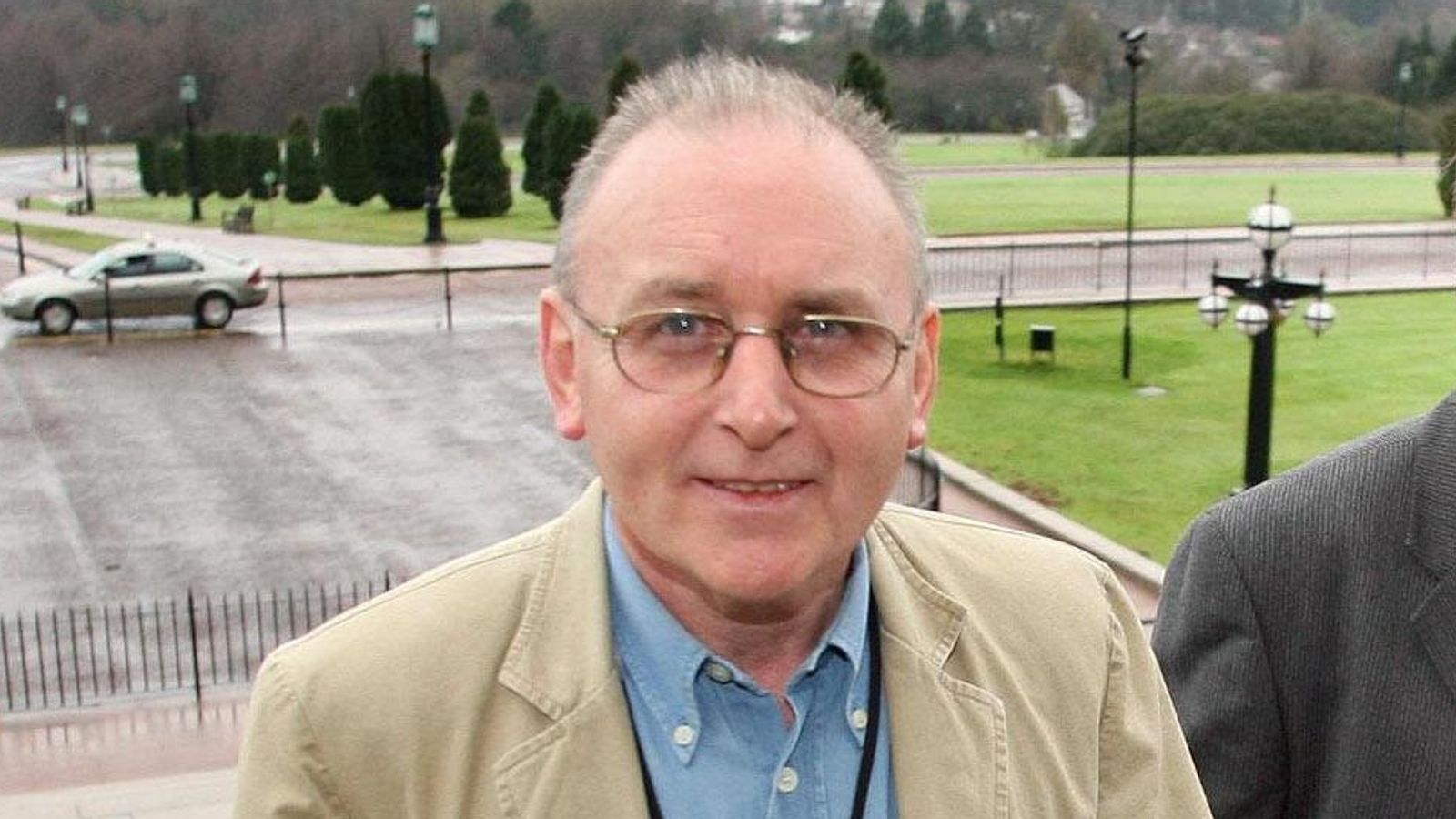
Denis Donaldson was one of the most significant figures in Irish republicanism for more than three decades. A trusted member of the Provisional IRA from his youth, he rose to become a senior official in Sinn Féin, serving as the party's administrator at the Northern Ireland Assembly in Stormont and playing a central role in building international support for the Good Friday Agreement. He was, by all outward appearances, a pillar of the republican movement.
In December 2005, that carefully constructed identity collapsed. Donaldson was publicly exposed as a paid informant for MI5 and the Police Service of Northern Ireland's Special Branch — a role he had secretly played for more than two decades. In a public statement, he admitted to his role, claiming he had been recruited by British intelligence during a vulnerable period in his life. The revelation came in the aftermath of the "Stormontgate" spy-ring scandal, which had led to the suspension of the Northern Ireland Assembly in 2002. He was immediately expelled from Sinn Féin.
Following his exposure, Donaldson retreated to a remote, derelict cottage in Glenties, Co Donegal. On 4 April 2006, he was found shot dead — killed by a shotgun blast. In 2009, the dissident republican group the Real IRA claimed responsibility for the killing, though this was never conclusively established in a court of law.
Key Developments
Antoin Duffy was extradited from Scotland and charged with the murder in March 2026, a development that had seemed improbable for much of the intervening two decades. His appearance at the Special Criminal Court — which handles cases involving serious organised crime and terrorism — reflects the gravity and sensitivity of the proceedings.
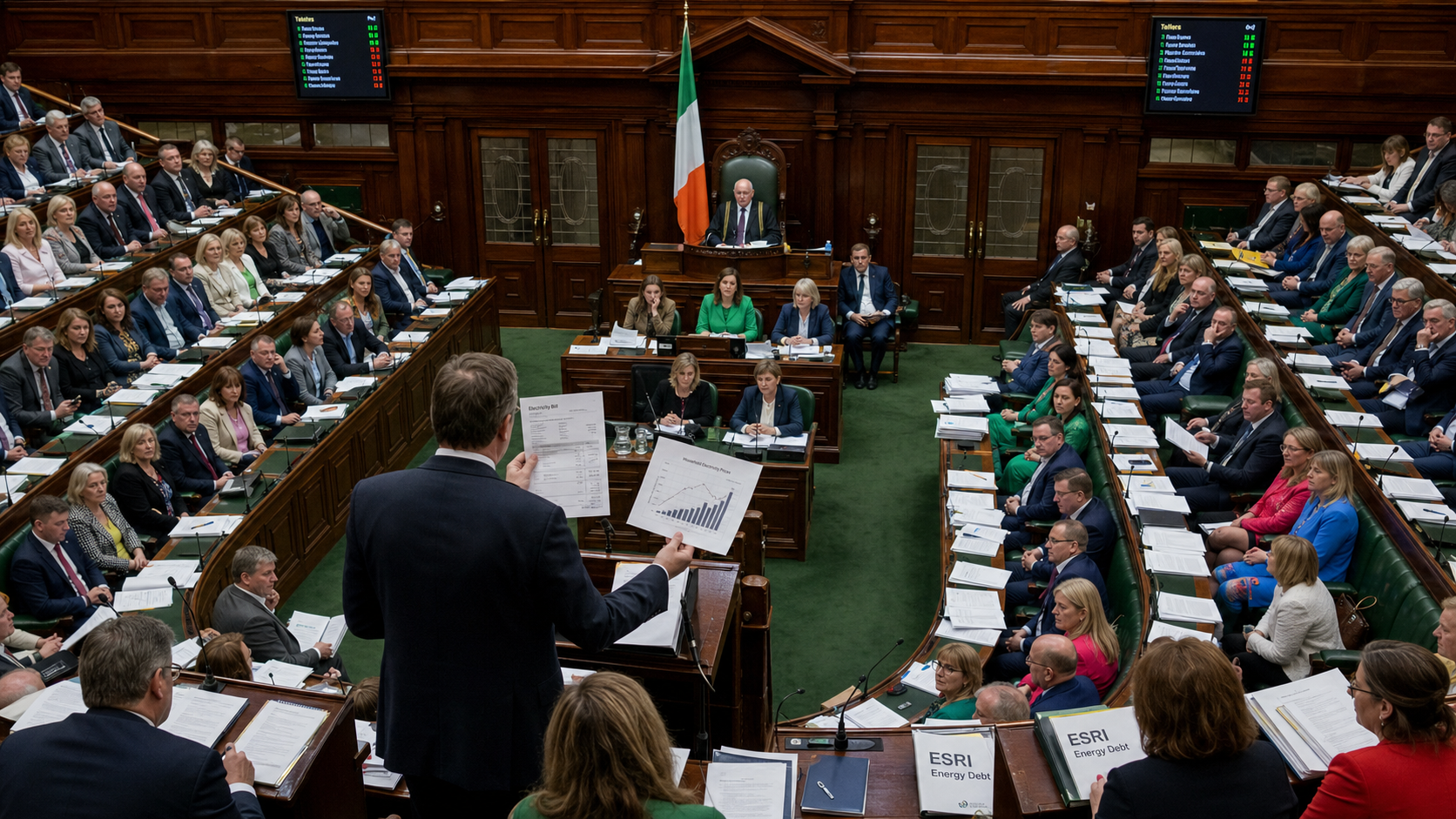
The use of the Special Criminal Court, which sits without a jury, is itself significant. The court was established to hear cases where there is a risk that jury members could be intimidated or where the case has connections to paramilitary organisations. Its deployment in the Donaldson case signals the Irish state's assessment of the risks involved and the paramilitary dimension of the alleged crime.
The preparation of the book of evidence — the formal document setting out the prosecution's full case — is now under way, with the next hearing scheduled for June. Legal observers expect the eventual trial to be one of the most complex and politically charged criminal proceedings in Ireland in a generation.
Why It Matters
The Donaldson case touches on some of the most sensitive fault lines of the Northern Ireland peace process: the use of informants by British intelligence, the activities of dissident republican groups, and the unresolved legacy of violence that continues to cast a shadow over the post-conflict era. A successful prosecution would represent a landmark moment in the pursuit of justice for crimes committed in the murky overlap between state intelligence and paramilitary activity.
For Sinn Féin, which has long sought to distance itself from the circumstances of Donaldson's exposure and death, the trial will inevitably revisit uncomfortable questions about the party's past. For the families of those affected by informant-related violence, it represents a step — however belated — towards accountability and truth.
Local Impact
In Belfast and across Northern Ireland, the Donaldson case has never been far from public consciousness. His story encapsulates the contradictions and betrayals of the conflict era, and his murder in the Republic added a cross-border dimension that complicated the investigation for years. For communities in west Belfast, where Donaldson was a well-known figure, the prospect of a trial brings a complex mix of emotions — relief that the justice system has finally caught up with the case, but also anxiety about what evidence may emerge about the extent of British intelligence operations within the republican movement during the peace process years.
What's Next
The case will return to the Special Criminal Court in June for a further hearing. The preparation of the book of evidence is a critical stage in the Irish criminal justice process, setting out the prosecution's case in full before any trial date is fixed. Given the complexity of the evidence and the political sensitivity of the proceedings, the trial itself is unlikely to begin before late 2026 at the earliest. When it does, it is expected to shed new light on one of the most enduring mysteries of the post-conflict period.
Sources: The Irish Times | RTÉ News