Irish Government Survives No-Confidence Vote as Fuel Protests Grip the Country
Taoiseach Micheál Martin's government has survived a motion of no confidence in Dáil Éireann, narrowly weathering a political storm triggered by week-long nationwide protests over soaring fuel prices — but the vote came at a cost, with a junior minister resigning in its immediate aftermath.
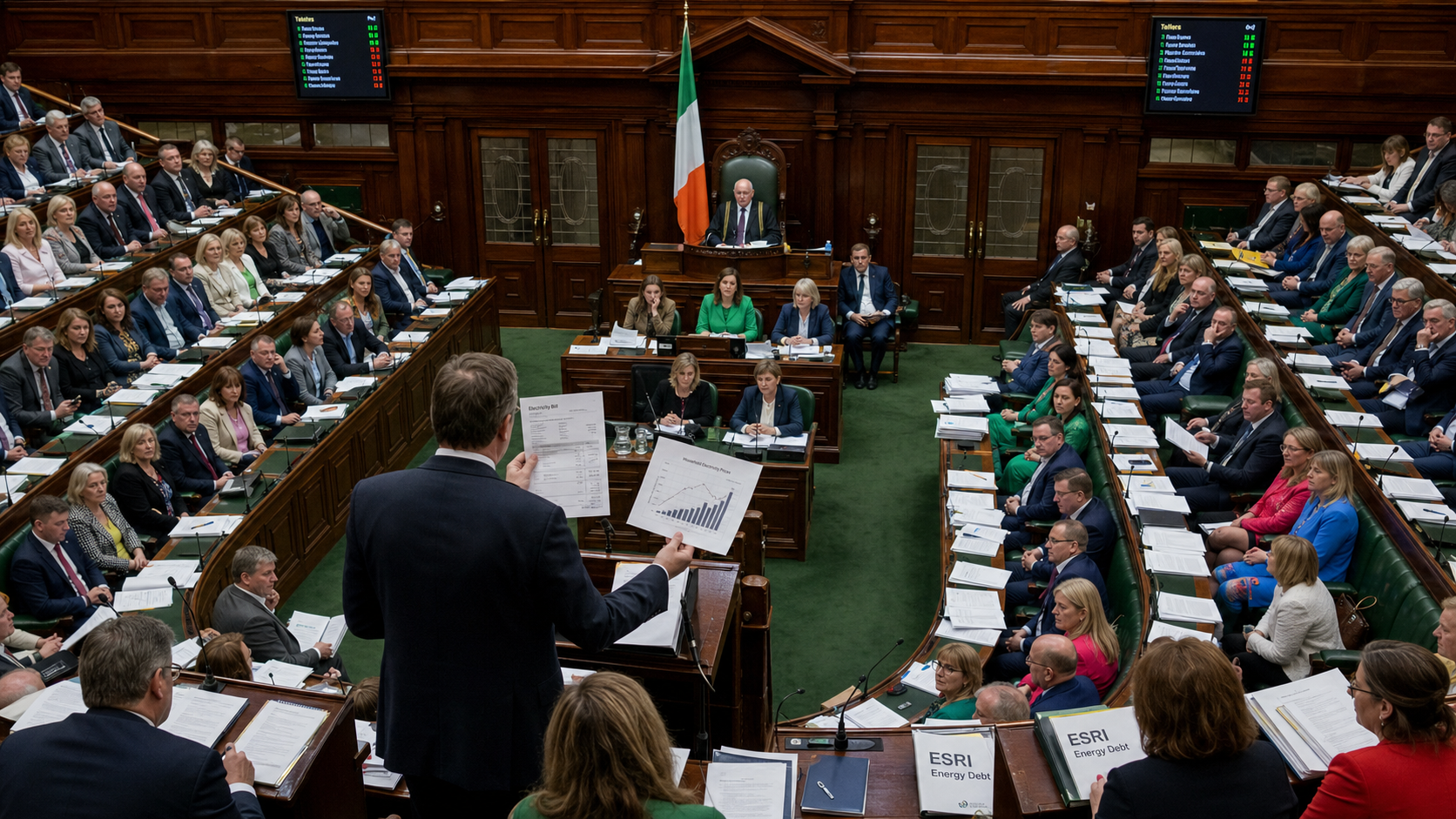
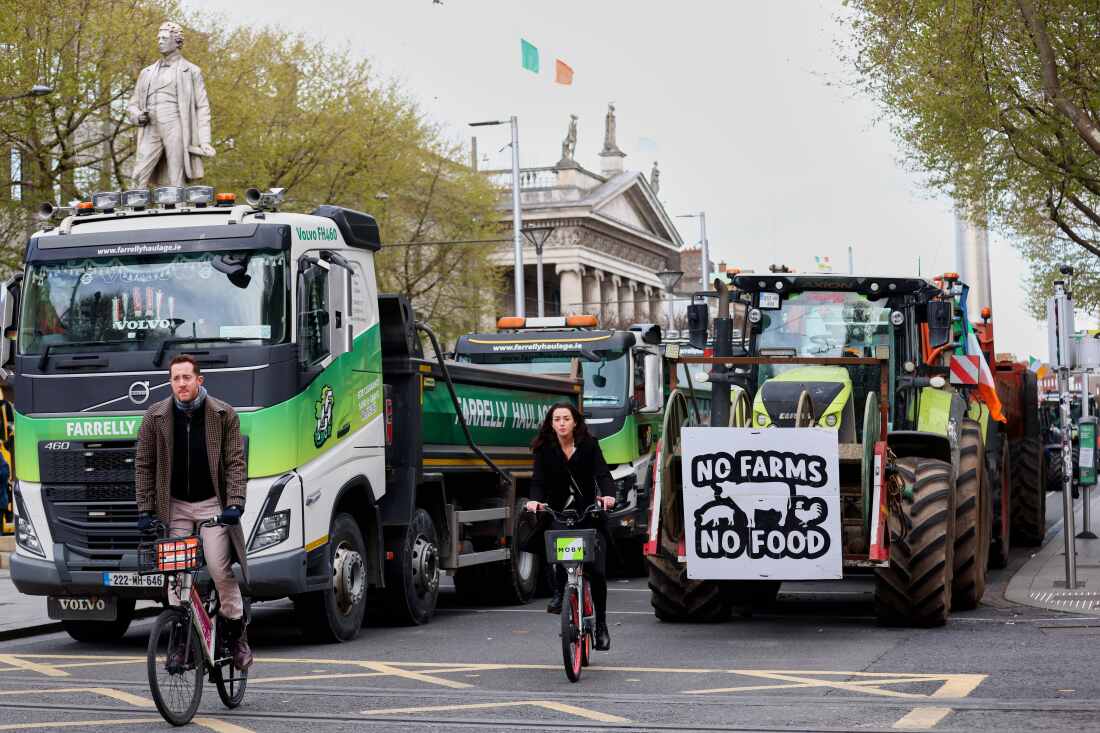
The confidence vote, held on 14 April 2026, was called by Sinn Féin amid intense public anger over the government's handling of the cost-of-living crisis. The government won by 92 votes to 78, but the political damage was significant. Truckers, farmers, and taxi drivers had blockaded key oil depots and ports across the country in demonstrations that paralysed parts of the transport network.
Background
Ireland has been gripped by fuel protests for over a week, with demonstrators blocking access to oil depots and ports in cities including Dublin, Cork, and Limerick. The protests were sparked by a sharp rise in fuel prices, driven in part by the disruption to global energy supplies caused by the US-Iran conflict and the closure of the Strait of Hormuz. Similar demonstrations have taken place in Northern Ireland, reflecting widespread public anger across the island. The protests caused significant disruption to transport and supply chains, with farmers, hauliers, and contractors among the most vocal participants.
The coalition government — comprising Fianna Fáil, Fine Gael, and independent members — had been under sustained pressure to respond to the crisis. Sinn Féin, led by Mary Lou McDonald, tabled the no-confidence motion, criticising the government for its "arrogance" and "lack of empathy" in handling the crisis and calling for a general election. The party argued that the government's response had been too slow and too limited to address the scale of public hardship.
Key Developments
The pivotal moment in the political drama came during the Dáil debate itself, when Michael Healy-Rae, the Minister of State at the Department of Agriculture, Food and the Marine, announced he would vote against the government, stating that it had "left the people of Ireland down." His resignation was a significant blow to the coalition's unity and underscored the depth of political discontent even within government ranks.
In defending his government's response, Taoiseach Martin argued that the tax cuts offered were the largest in Europe. Following the confidence vote, the government passed a €505 million support package to address the fuel crisis, which included a delay in the carbon tax increase and cuts in excise duties on fuel. Opposition parties criticised the aid package as insufficient to address the scale of the crisis, but the government argued it represented a meaningful and immediate response.
In a separate development with an Irish-American dimension, the influential Ancient Order of Hibernians strongly condemned former US President Donald Trump, describing a social media post featuring an AI-generated image of Trump as Jesus Christ as an "act of sacrilege." The organisation also criticised Trump's attacks on Pope Leo, whom he had called "weak" over the pontiff's calls for de-escalation in the US-Iran conflict.
Why It Matters
The survival of the government provides short-term political stability, but the underlying pressures — soaring fuel costs, public anger, and a fractious coalition — remain unresolved. The resignation of Healy-Rae signals that the political fallout from the fuel crisis is far from over. For ordinary Irish households, the immediate priority is relief from energy costs that have risen sharply in recent weeks. The €505 million support package is a significant intervention, but whether it will be sufficient to quell the protests and restore public confidence in the government remains to be seen.
Local Impact
For Northern Ireland, the political turbulence in Dublin is a reminder of the shared pressures facing communities across the island. Fuel protests have also disrupted Belfast and other towns in the north, with farmers and hauliers making identical demands for relief from soaring costs. The cross-border dimension of the crisis — with similar protests, similar demands, and similar political pressures on both sides of the border — underscores the extent to which Northern Ireland and the Republic share economic fortunes, particularly when it comes to global energy prices. Stormont ministers have been watching events in Dublin closely as they consider their own response.
What's Next
The government is expected to implement the €505 million support package in the coming days. The protests are likely to continue until tangible relief is delivered at the pump. Full reporting on the no-confidence vote is available from The Irish Times, and analysis of the fuel protests is available from Al Jazeera.
\