Abuse Survivor Demands Law Society Chief's Resignation Over Character Reference for Convicted Cousin
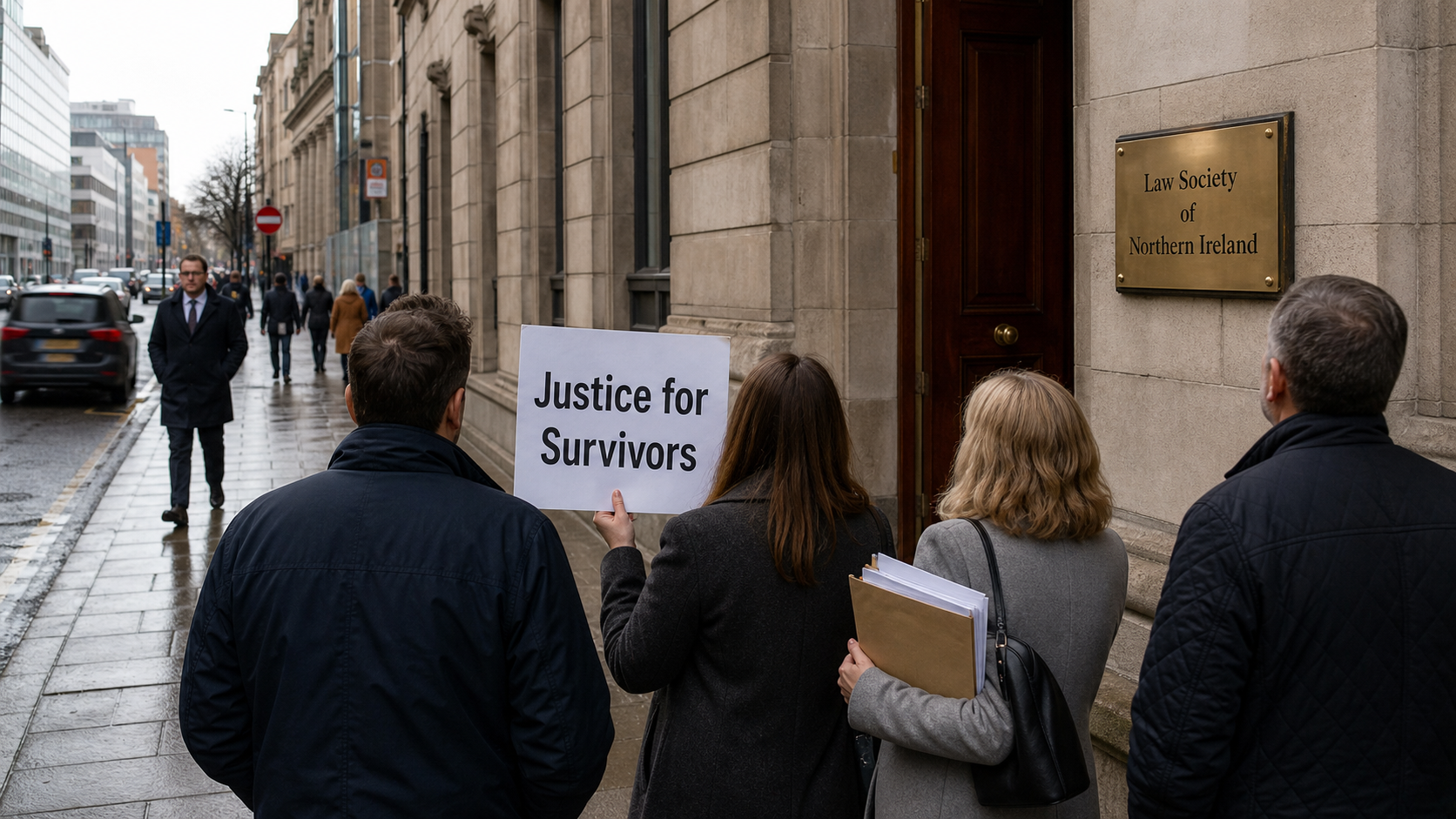
A child abuse survivor has publicly demanded the resignation of the chief executive of the Law Society of Northern Ireland after he provided a character reference for his cousin — a former teacher convicted of indecently assaulting four schoolgirls in the 1970s — describing the reference as a betrayal of victims and a fundamental failure of professional judgement that should disqualify him from leading the body that regulates the legal profession in Northern Ireland.
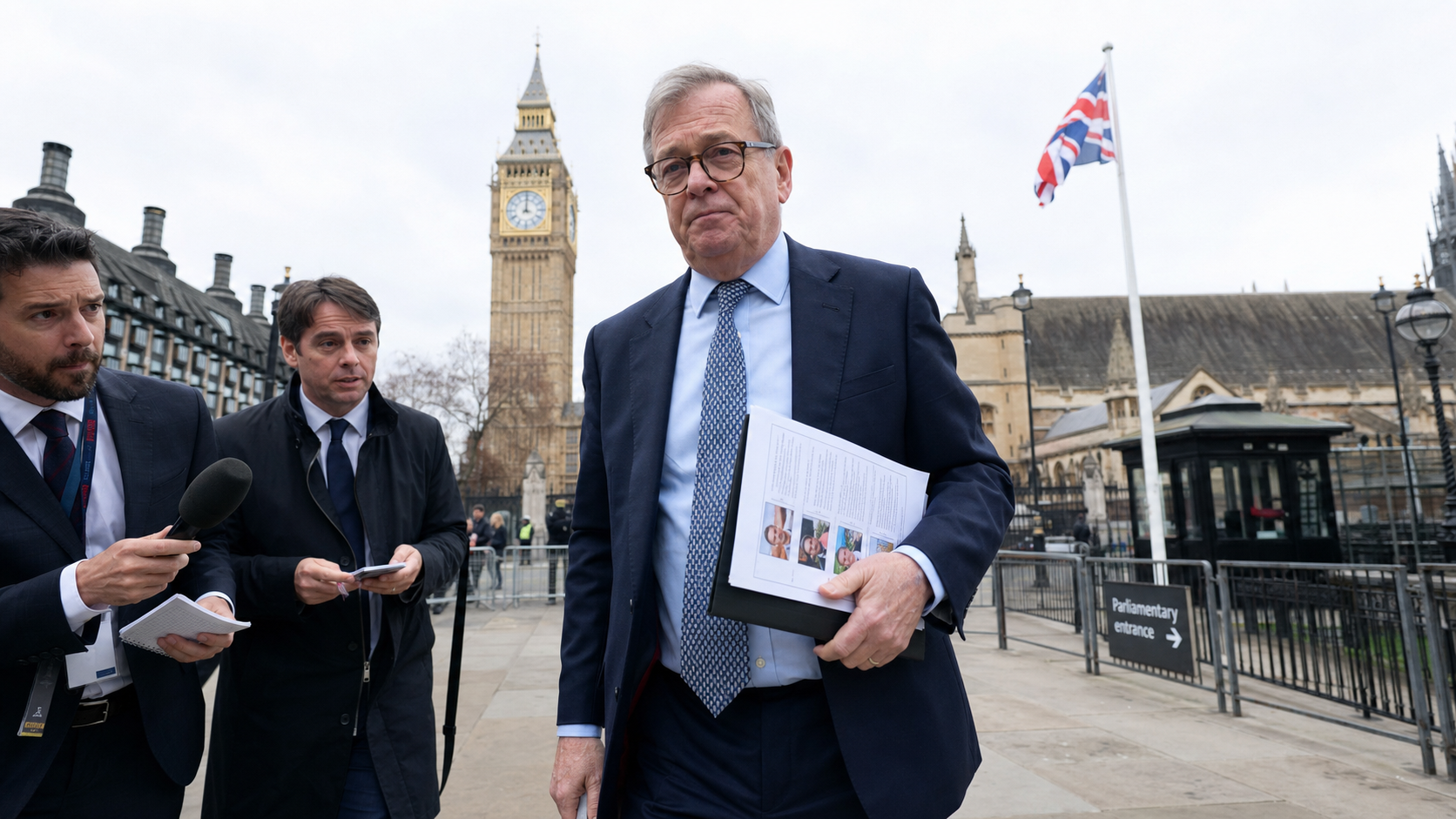
Nicola Bannon, one of four women abused by William Lloyd-Lavery during the 1970s, has spoken out after David Lavery, the Law Society's chief executive, was removed from his position as a Northern Ireland Human Rights Commissioner by Secretary of State Sir Chris Bryant following a formal investigation that found his actions breached the commission's code of governance. Despite that removal, Lavery retains his position at the Law Society.
Background
William Lloyd-Lavery, a former teacher, was convicted of six counts of indecent assault against four schoolgirls, offences committed during the 1970s. The convictions followed a lengthy investigation and brought a measure of justice to women who had carried the burden of their abuse for decades. The case was one of a number of historical child abuse prosecutions in Northern Ireland that have come to court in recent years as survivors have found the courage to come forward and as the justice system has developed better mechanisms for handling such cases.
David Lavery, the chief executive of the Law Society of Northern Ireland, is a cousin of the convicted man. He provided a character reference for Lloyd-Lavery in which the perpetrator was described as a man of "Christian faith" and "sound judgement" who wished to contribute to society. The reference caused profound distress to the victims, who felt that it minimised the seriousness of the offences and prioritised the perpetrator's reputation over their suffering.
The Northern Ireland Human Rights Commission, of which Lavery was a member, conducted a formal investigation into the matter and concluded that his actions breached the commission's code of governance and were capable of bringing the commission into disrepute. Secretary of State Sir Chris Bryant acted on that finding and removed Lavery from his commissioner role on August 4, 2026.
Key Developments
Nicola Bannon has argued that the same reasoning that led to Lavery's removal from the Human Rights Commission should apply to his position at the Law Society. "He has shown that he is willing to use his professional standing to support a convicted child abuser," Bannon said. "That is not someone who should be leading the body that is supposed to uphold the standards of the legal profession in Northern Ireland."
The Law Society has stated that it conducted an internal process regarding the matter but declined to disclose details, citing confidentiality. Law Society President Mark Borland expressed regret for the distress caused and committed to convening discussions with members and victim representatives regarding the use of character references in cases of conviction. However, the Society has not indicated that it intends to take any action against Lavery.
The chair of Stormont's Justice Committee, Paul Frew, and the Women's Resource and Development Agency have both argued that the public and the victims deserve a clearer explanation of the internal review's conclusions. The case has also prompted a broader debate about the role of character references in the justice system, with some legal professionals defending their use while survivors argue that they are frequently deployed to shield perpetrators behind their professional or social status.
Why It Matters
The controversy over David Lavery's character reference touches on a fundamental question about the responsibilities of those who hold positions of public trust. The Law Society of Northern Ireland is the regulatory body for solicitors in the jurisdiction, and its chief executive is expected to model the highest standards of professional and ethical conduct. The provision of a character reference for a convicted child abuser — particularly one that described him in terms that appeared to minimise the gravity of his offences — raises serious questions about Lavery's judgement and his fitness for the role.
The case also highlights the ongoing challenges faced by survivors of historical child abuse in Northern Ireland. Despite significant progress in recent years, including the establishment of the Historical Institutional Abuse Inquiry and the prosecution of a number of historical cases, survivors continue to encounter institutional responses that prioritise the reputation of perpetrators and institutions over the needs and rights of victims. The Law Society's handling of this case has reinforced those concerns.
For the legal profession in Northern Ireland, the controversy is a reputational challenge that demands a clear and transparent response. The Society's reluctance to disclose the details of its internal review has been criticised as inadequate, and the pressure for greater accountability is likely to intensify in the coming weeks.
Local Impact
The Law Society of Northern Ireland is based in Victoria Street in Belfast city centre and regulates approximately 2,500 solicitors practising in the jurisdiction. Its decisions and conduct have a direct impact on the administration of justice across Northern Ireland, from the courts in Belfast to solicitors' offices in Derry, Newry, and Enniskillen. The controversy over Lavery's character reference has prompted a number of solicitors to call publicly for greater transparency from the Society's leadership, and the pressure for reform of the character reference system is likely to feature prominently in the Society's forthcoming discussions with members.
What's Next
The Law Society has committed to convening discussions with members and victim representatives about the use of character references in abuse cases. Those discussions are expected to begin in September 2026. Nicola Bannon and her legal representatives have indicated that they will continue to press for Lavery's resignation and for a formal review of the Society's handling of the matter. The Secretary of State's office has indicated that it is monitoring the situation closely.