Coleraine Stands Firm Against Emergency Surgery Removal as Packed Town Hall Meeting Demands Action
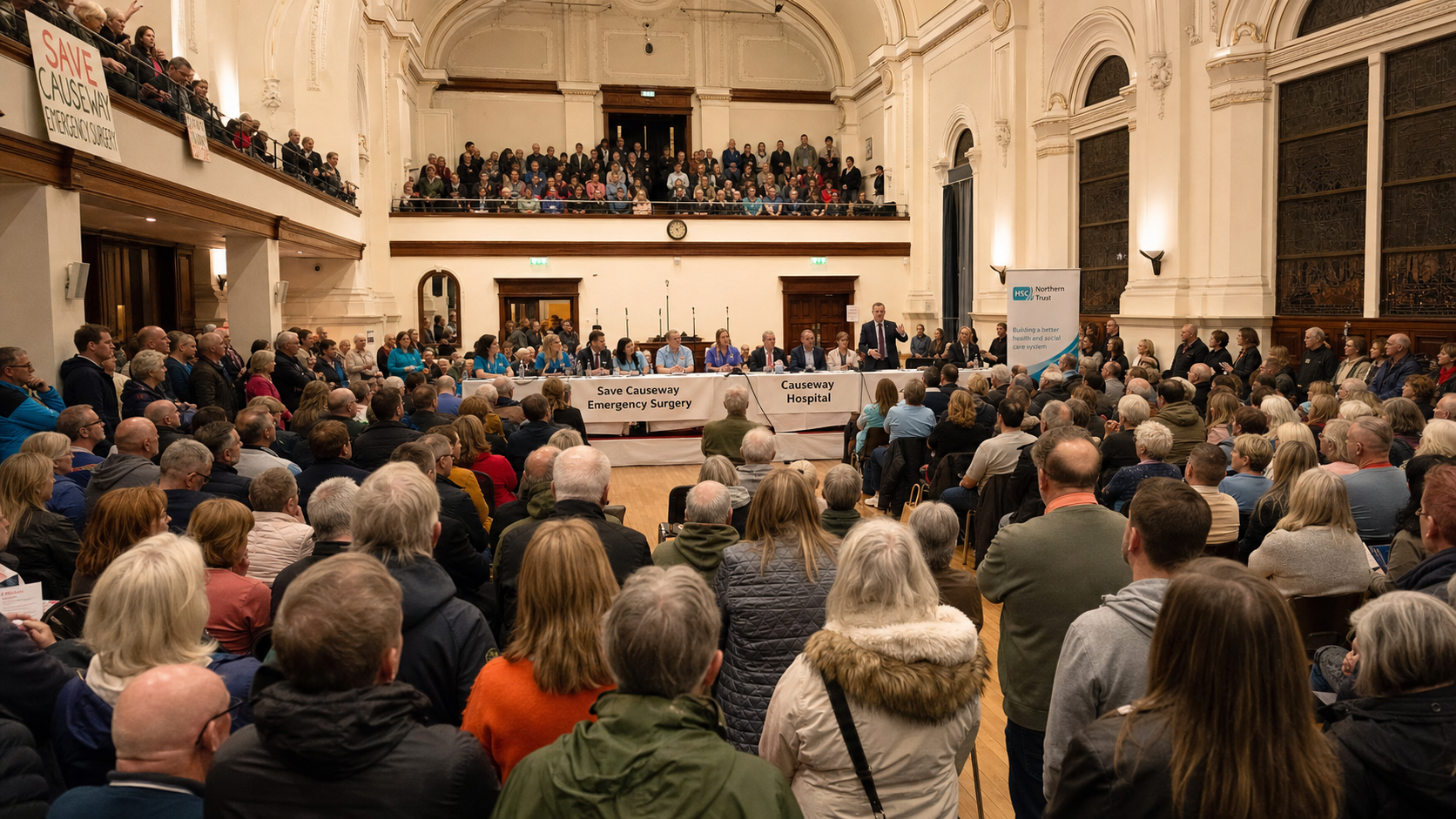
A standing-room-only public meeting at Coleraine Town Hall on Thursday heard clinicians, union officials, and political representatives deliver a unified message to the Northern Health and Social Care Trust: the removal of emergency general surgery from Causeway Hospital would be a catastrophic blow to the north coast community and must not proceed.
Background
Causeway Hospital in Coleraine has been at the centre of a prolonged battle over the future of its acute services. The hospital lost its consultant-led maternity birthing services in a previous round of centralisation, with those services transferred to Antrim Area Hospital. That decision was deeply controversial at the time, and the community's fears that it would be the first step in a broader erosion of services have since been borne out by the Trust's current proposals regarding emergency general surgery.
Emergency general surgery covers a wide range of acute conditions — appendicitis, bowel obstructions, perforated ulcers — that require rapid surgical intervention. The Northern Trust has argued that centralising this service at Antrim Area Hospital is necessary to ensure a sustainable and clinically safe model, citing difficulties in maintaining adequate consultant cover at Causeway. Critics, however, point out that the Trust's own staffing decisions have contributed to those difficulties, and that the proposed solution — a thirty-eight-mile journey to Antrim for emergency patients — introduces unacceptable risks for a population spread across a large rural catchment area.
The campaign to save emergency surgery at Causeway has drawn support from an unusually broad coalition, including the public service union UNISON, the farming group Farmers For Action, retired medical professionals, and political representatives from across the unionist and nationalist traditions. That breadth of support reflects the depth of feeling in a community that has watched its hospital services diminish over successive years.
Key Developments
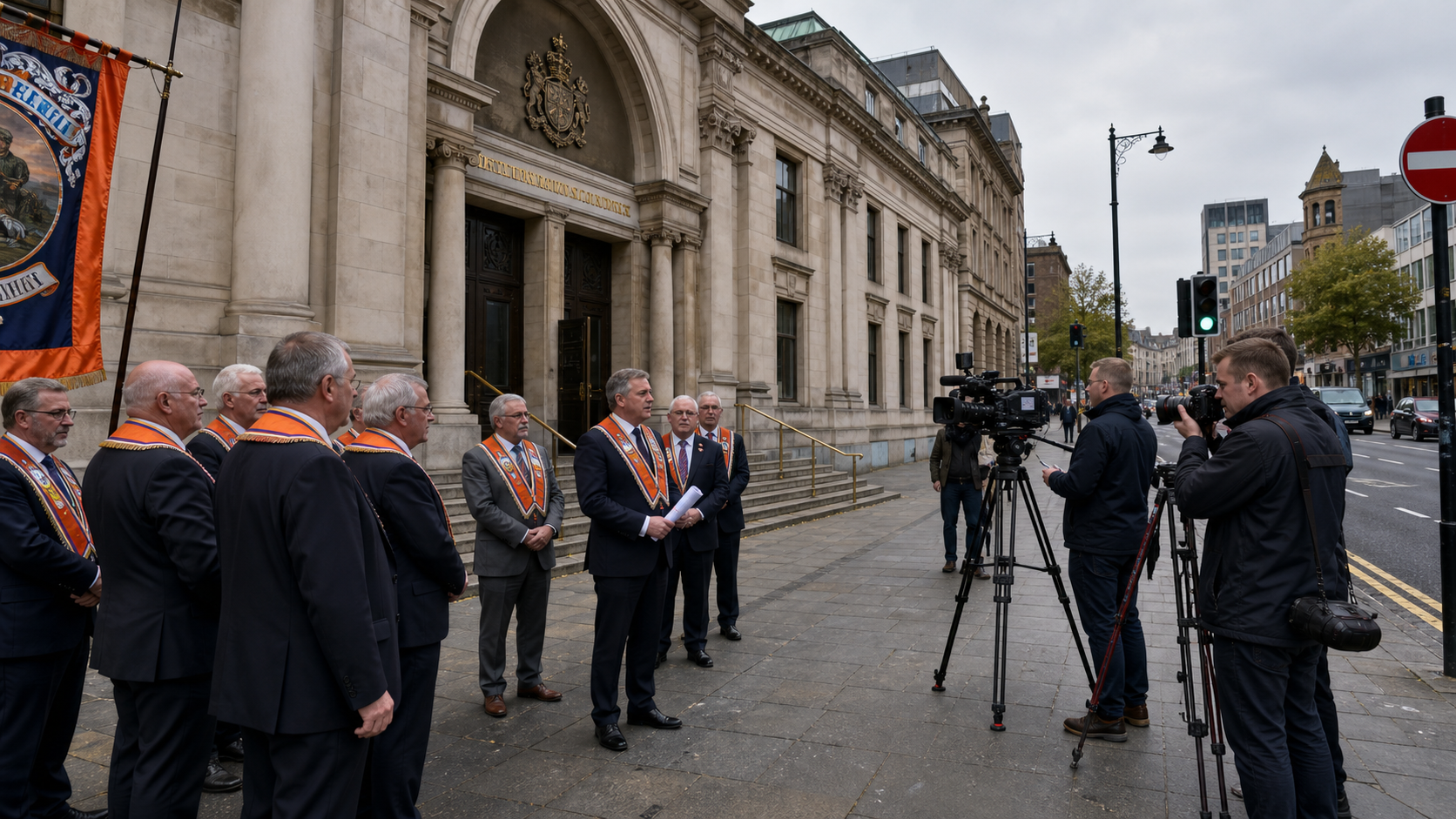
Thursday's meeting at Coleraine Town Hall was organised by UNISON and drew a capacity crowd, with attendees standing along the walls and in the corridors outside the main hall. Speakers included retired physicians who had worked at Causeway, current clinical staff, and community representatives who outlined the practical consequences of the proposed change for patients across the north coast.
Mervyn Whyte, the Race Director of the North West 200, made a striking intervention, arguing that the degradation of local medical services threatened not only the health of the community but the economic viability of the region. The North West 200 is one of the most significant sporting and tourism events in Northern Ireland, and Whyte's presence underlined the extent to which the hospital's future is seen as bound up with the broader prospects of the area.
UNISON officials were careful to distinguish between their support for health service reform in principle and their opposition to what they characterised as the use of reform as a pretext for permanent service removal. Ulster Unionist Party leader Doug Beattie also attended and expressed his opposition to the proposals, adding a significant political voice to the campaign.
Why It Matters
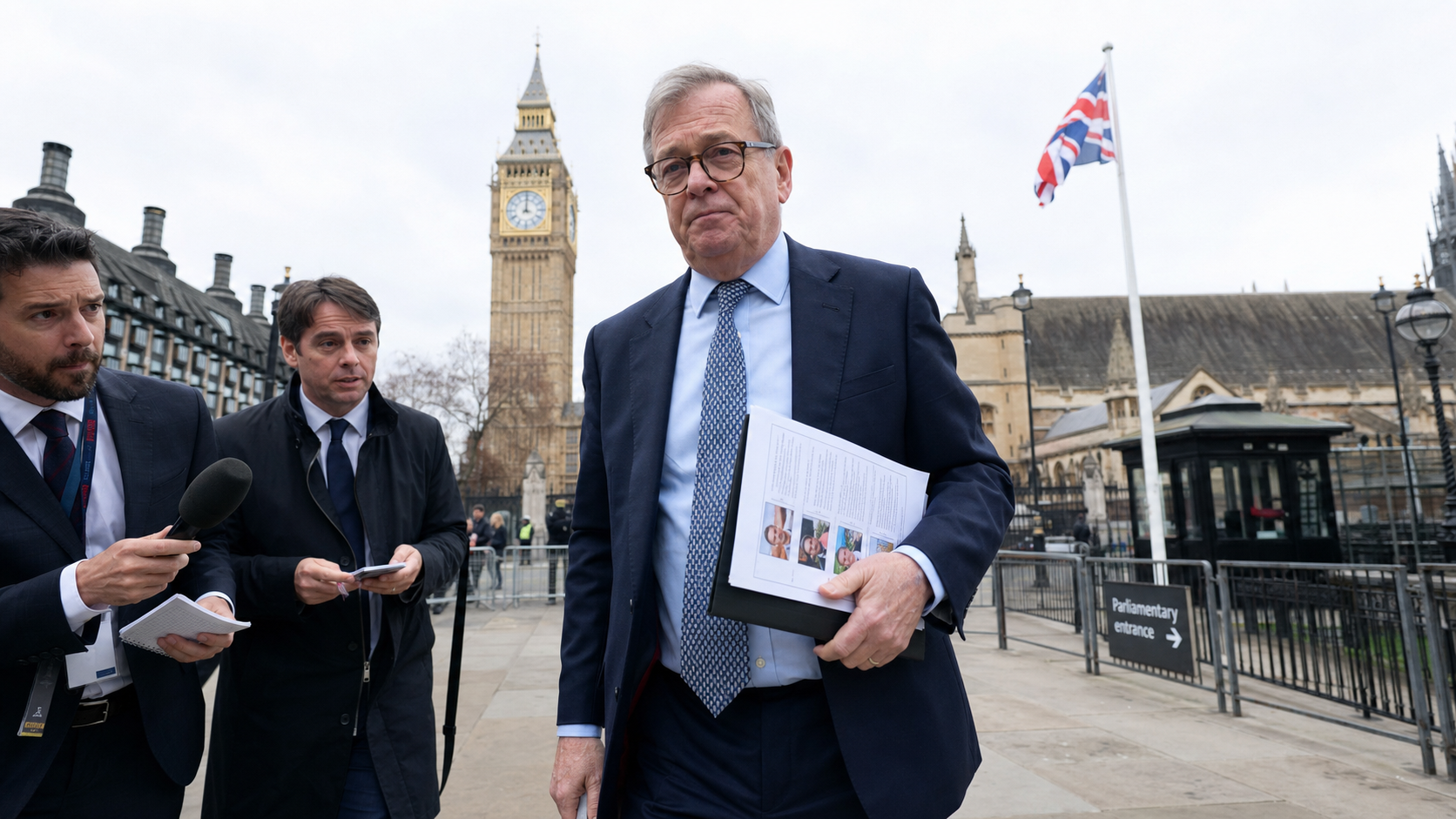
The Causeway Hospital campaign is part of a wider pattern of acute service centralisation across Northern Ireland that has been playing out for more than a decade. The same arguments being made in Coleraine are being made in Enniskillen, where the Save Our Acute Services group has launched a legal challenge over the suspension of emergency general surgery at the South West Acute Hospital — a suspension that has been in place since December 2022 and which campaigners fear has become permanent in all but name. The concern in both cases is the same: that "temporary" suspensions become permanent by default, and that communities lose services without ever having had a genuine public consultation on the permanent withdrawal. Health Minister Mike Nesbitt has stated that no permanent removal of emergency surgery can proceed without his explicit approval, but campaigners argue that the practical effect of prolonged suspension is indistinguishable from permanent closure.
Local Impact
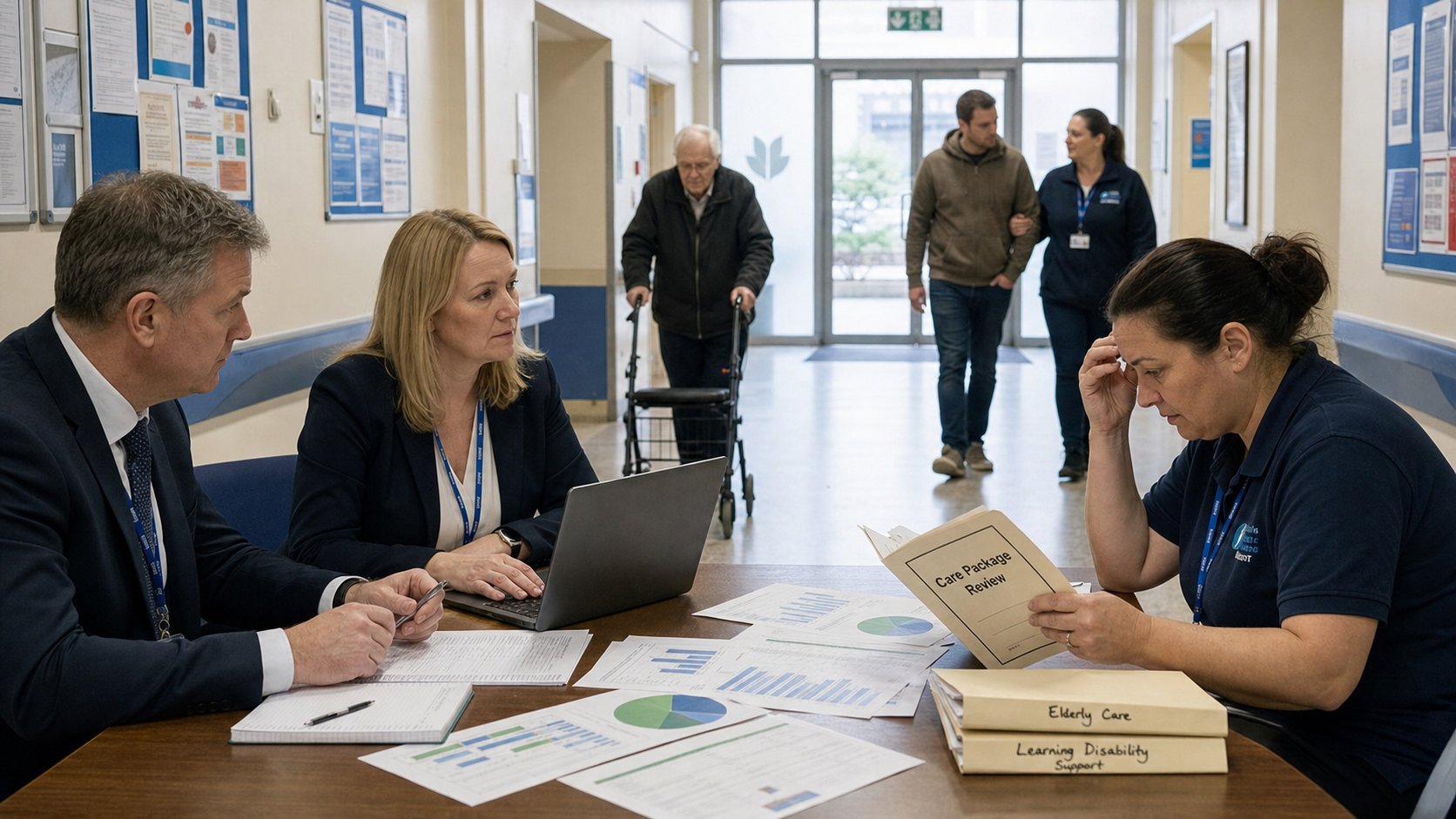
For the communities served by Causeway Hospital — stretching from Coleraine and Portrush along the north coast to Ballymoney and Ballymena — the prospect of a thirty-eight-mile journey to Antrim for emergency surgery is not an abstraction. It is a concrete risk that falls most heavily on older residents, those without access to private transport, and those living in the more rural parts of the catchment area. The Northern Trust's own data shows that response times for emergency surgical conditions are critically time-sensitive, and that delays of the kind that would be introduced by the Antrim transfer could have serious consequences for patient outcomes. Local GPs have also raised concerns about the knock-on effects on their own capacity to manage acute presentations in the community.
What's Next
The campaign group has vowed to continue its opposition through public meetings, political lobbying, and, if necessary, legal action. UNISON has invited Health Minister Mike Nesbitt to attend a future public meeting in Coleraine to hear directly from the community. The Northern Trust is expected to publish a formal consultation document on the future of emergency surgery at Causeway in the coming months, which will trigger a statutory public consultation process. Campaigners have indicated they will engage fully with that process while maintaining pressure through direct action.