Carrickfergus Submits Planning Applications for £42.2 Million Heritage Regeneration Project
Mid and East Antrim Borough Council has formally submitted four interconnected planning applications for the £42.2 million Carrickfergus Regeneration Project, a once-in-a-generation investment that promises to transform the historic County Antrim town into a premier heritage-led tourism destination. The project, backed by a £26.4 million investment from the Belfast Region City Deal, is expected to create more than 150 permanent jobs and 140 construction positions, and to reposition Carrickfergus as the gateway to the Causeway Coastal Route.
Background
Carrickfergus is one of the oldest towns in Ireland, with a history stretching back more than eight centuries. Its Norman castle, which dominates the shoreline of Belfast Lough, is one of the best-preserved medieval fortifications in the British Isles and has been a landmark of the north Antrim coast since the twelfth century. The town was a significant centre of power and commerce in medieval Ulster, and its harbour has witnessed some of the most consequential moments in Irish history, including the landing of William of Orange in 1690.
Despite this extraordinary heritage, Carrickfergus has struggled in recent decades to translate its historical assets into sustained economic development. The town centre has experienced the same pressures of retail decline and population drift that have affected many similar towns across Northern Ireland, and the castle — while a significant tourist attraction — has not been supported by the kind of visitor infrastructure that would allow it to reach its full potential. The regeneration project represents the most ambitious attempt in the town's modern history to address that gap.
The Belfast Region City Deal, which provides the primary funding for the project, is a partnership between the UK and Northern Ireland governments, Belfast City Council, and the five councils of the Belfast metropolitan area. The deal is designed to drive economic growth across the region through investment in infrastructure, innovation, and tourism, and the Carrickfergus project is one of its flagship initiatives.
Key Developments
The four planning applications submitted by Mid and East Antrim Borough Council cover the full scope of the regeneration project, which has been developed through an extensive public consultation process including a major drop-in event in September 2025 and a follow-up session in April 2026. The plans have been refined based on resident feedback that emphasised the need for safety, accessibility, and respect for the town's historic character.
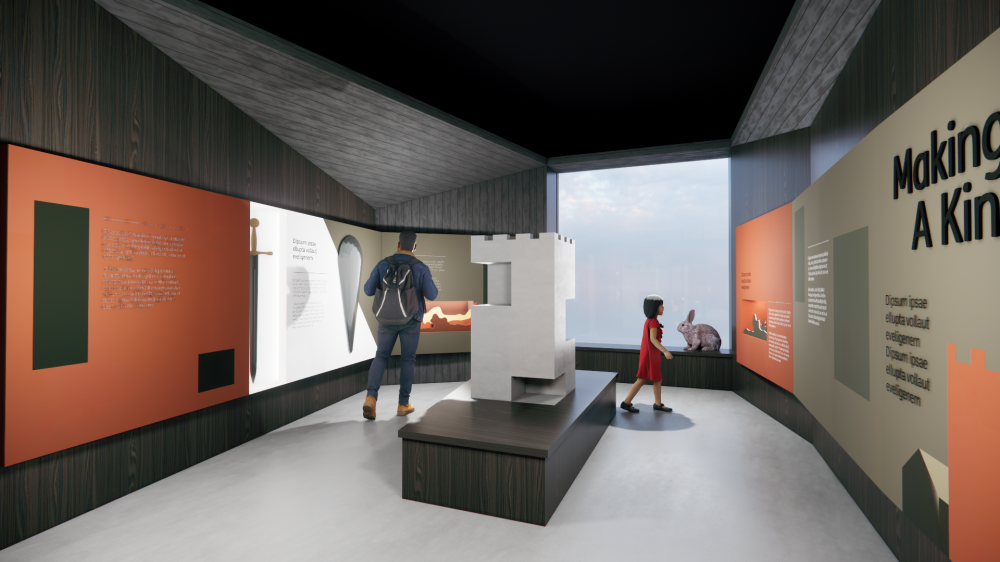
The centrepiece of the project is a comprehensive programme of conservation works and visitor improvements at Carrickfergus Castle, including a new entrance and visitor facilities, improved visitor routes, and a universally accessible landscaped ramp linking the Marine Highway to the castle entrance. Access to the Great Tower roof is also planned, which would offer visitors panoramic views of Belfast Lough and the surrounding coastline.
A new three-storey visitor centre will be constructed on High Street, featuring exhibition spaces, sensory areas, and an external terrace with views of the castle and the lough. The town centre and waterfront will be transformed through the development of a Waterfront Park, Castle Parade Square, and the restoration of historic gateways. The Town Hall, museum, and civic centre will be integrated into a single community and arts hub, with a reimagined courtyard for markets and public gatherings.
The project is expected to significantly increase footfall in the town centre and to attract new investment in hospitality and retail. Projections indicate that the completed development will generate substantial additional tourism revenue for the wider Mid and East Antrim area.
Why It Matters
The Carrickfergus Regeneration Project matters because it represents a serious, evidence-based attempt to address the economic challenges facing a town that has been underperforming relative to its heritage assets for too long. Northern Ireland has a number of towns in similar positions — places with extraordinary historical significance that have not been able to translate that significance into sustained economic activity. The Belfast Region City Deal provides a mechanism for addressing that gap, and the Carrickfergus project is a test case for whether that mechanism can deliver. The scale of the investment — £42.2 million — is significant, and the ambition of the plans is genuine. The key question now is whether the planning process will proceed smoothly and whether the project can be delivered on time and on budget. The track record of major public infrastructure projects in Northern Ireland gives some grounds for caution, but the level of community engagement that has gone into the design process is encouraging.
Local Impact
For the residents of Carrickfergus and the wider Mid and East Antrim area, the regeneration project represents a genuine opportunity for economic renewal. The creation of more than 150 permanent jobs in tourism and attractions, alongside 140 construction jobs during the delivery phase, will have a meaningful impact on a local economy that has been under pressure. The improved visitor infrastructure at the castle and waterfront will benefit local businesses — hotels, restaurants, cafés, and shops — that currently see only a fraction of the potential spend from visitors to the area. The improved public realm and community facilities will also benefit residents directly, providing better spaces for markets, events, and everyday life. Translink's Carrickfergus rail station, which connects the town to Belfast Central in under 30 minutes, means that the improved visitor offer will be accessible to day-trippers from across the greater Belfast area.
What's Next
The four planning applications submitted by Mid and East Antrim Borough Council will now be assessed by the Planning Appeals Commission and the council's own planning department. A decision is expected within the standard statutory timeframe, though the scale and complexity of the applications may require additional time for assessment. Subject to planning approval, construction is expected to begin in 2027, with the completed project anticipated to open to the public in 2029. The Belfast Region City Deal partnership will continue to monitor progress and to provide oversight of the project's delivery.