Budget 2027: Ten Days Out, What Ireland Can Expect on October 6 as €8.5bn Package Takes Shape
Budget 2027 is ten days away, and the broad outlines of an €8.5 billion package are becoming increasingly clear as ministers finalise their spending plans and tax measures ahead of the October 6 announcement. Income tax threshold increases, targeted energy cost supports, expanded childcare subsidies, and social welfare rises are all expected, but the budget arrives against a backdrop of record homelessness, a persistent housing crisis, and global economic uncertainty that has tempered the government's ambitions.
Background
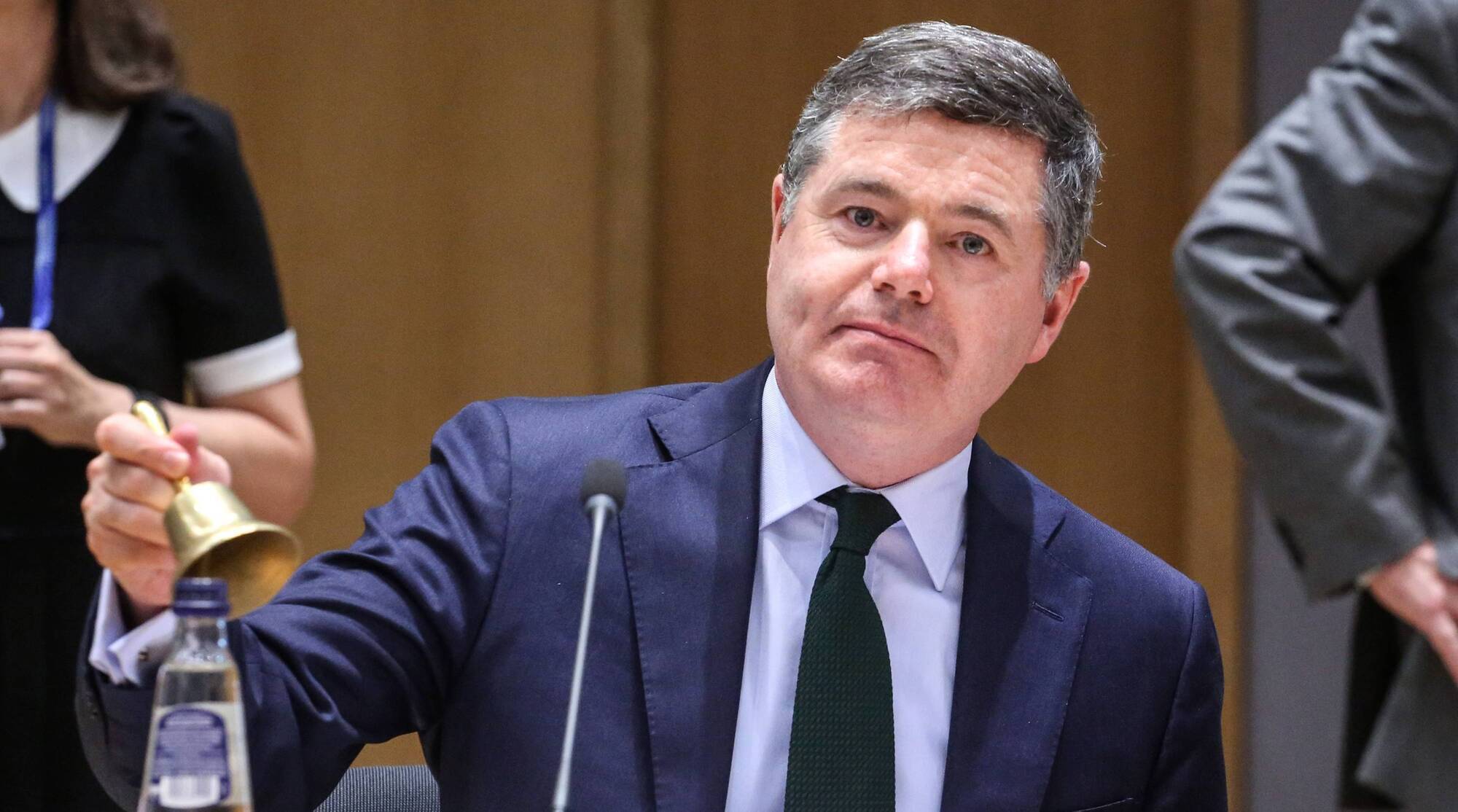
Budget 2027 is being prepared by a coalition government led by Taoiseach Micheál Martin, with Tánaiste and Minister for Finance Simon Harris and Minister for Public Expenditure Jack Chambers responsible for the overall fiscal framework. The government has committed to keeping spending growth at or below 6%, a constraint that has required ministers to make difficult trade-offs between competing priorities.
The fiscal context is, by historical standards, favourable. Ireland continues to run a budget surplus, driven in significant part by corporation tax receipts from the large multinational companies that have made the country their European base. However, the government has been warned repeatedly by the Irish Fiscal Advisory Council and the European Commission that this revenue stream is volatile and should not be relied upon to fund permanent spending commitments. The €8.5 billion package for 2027 is smaller than the €9.4 billion budget of 2026, reflecting a degree of fiscal restraint.
The political context is more challenging. The government faces pressure from opposition parties and civil society groups on a range of fronts: the record homelessness figures published this week, the ongoing housing crisis, the cost of living, and the adequacy of public services in health, education, and transport. The budget will be judged not only by its headline numbers but by whether it contains measures that can credibly be expected to make a difference to the lives of ordinary people.
Key Developments
On income tax, there is a strong expectation that the threshold for the higher 40% rate will increase, potentially rising from €44,000 to €46,000 for a single person — a measure that would provide tax relief of approximately €400 annually to qualifying earners. The government has also signalled that it will introduce a new tax-incentivised savings and investment account, inspired by international models, to simplify retail investment for ordinary savers.
On energy costs, universal energy credits have been ruled out, but the government has signalled a need for permanent, targeted supports for households struggling with bills. Excise cuts on fuel are expected to be extended through the winter months, and there is discussion of VAT reductions for electricity. The boiler scrappage scheme, which would offer grants of up to €2,000 for households replacing old heating systems, has been proposed as a measure to support the transition to more energy-efficient homes.
On childcare, the government has signalled further support for parents, with potential expansions of subsidies and tax relief for home-based childminders, whose current tax-free earnings threshold of €15,000 has remained unchanged since 2007. Core social welfare payments and pension rates are expected to see increases of €10 to €15 per week. A permanent cost-of-disability payment is also under consideration, though likely to be implemented via lump-sum payments rather than a full-scale permanent benefit this year.
Why It Matters
Budget 2027 matters because it is the government's most significant annual opportunity to demonstrate that it has a coherent plan for addressing Ireland's most pressing challenges. The record homelessness figures published this week, the ongoing housing crisis, and the cost-of-living pressures facing ordinary families all demand a response that goes beyond incremental adjustments to existing programmes. The government's credibility on these issues will be tested by the specific measures announced on October 6 and, more importantly, by whether those measures produce tangible improvements in the months that follow. The budget also arrives at a moment of global economic uncertainty, with instability in the Middle East driving energy price volatility and raising questions about the resilience of Ireland's export-dependent economy.
Local Impact
The budget's impact will be felt differently in different parts of Ireland. In Dublin, where the housing crisis is most acute and the cost of living is highest, the measures on housing, rental supports, and income tax will be scrutinised most closely. In rural Ireland, the extension of fuel excise cuts and the boiler scrappage scheme will be particularly relevant for households that are more dependent on private cars and oil-fired heating than their urban counterparts. In Northern Ireland, where the budget has no direct application, the measures will nonetheless be watched closely as a benchmark for what the Stormont Executive might seek to replicate within its own devolved competencies.
What's Next
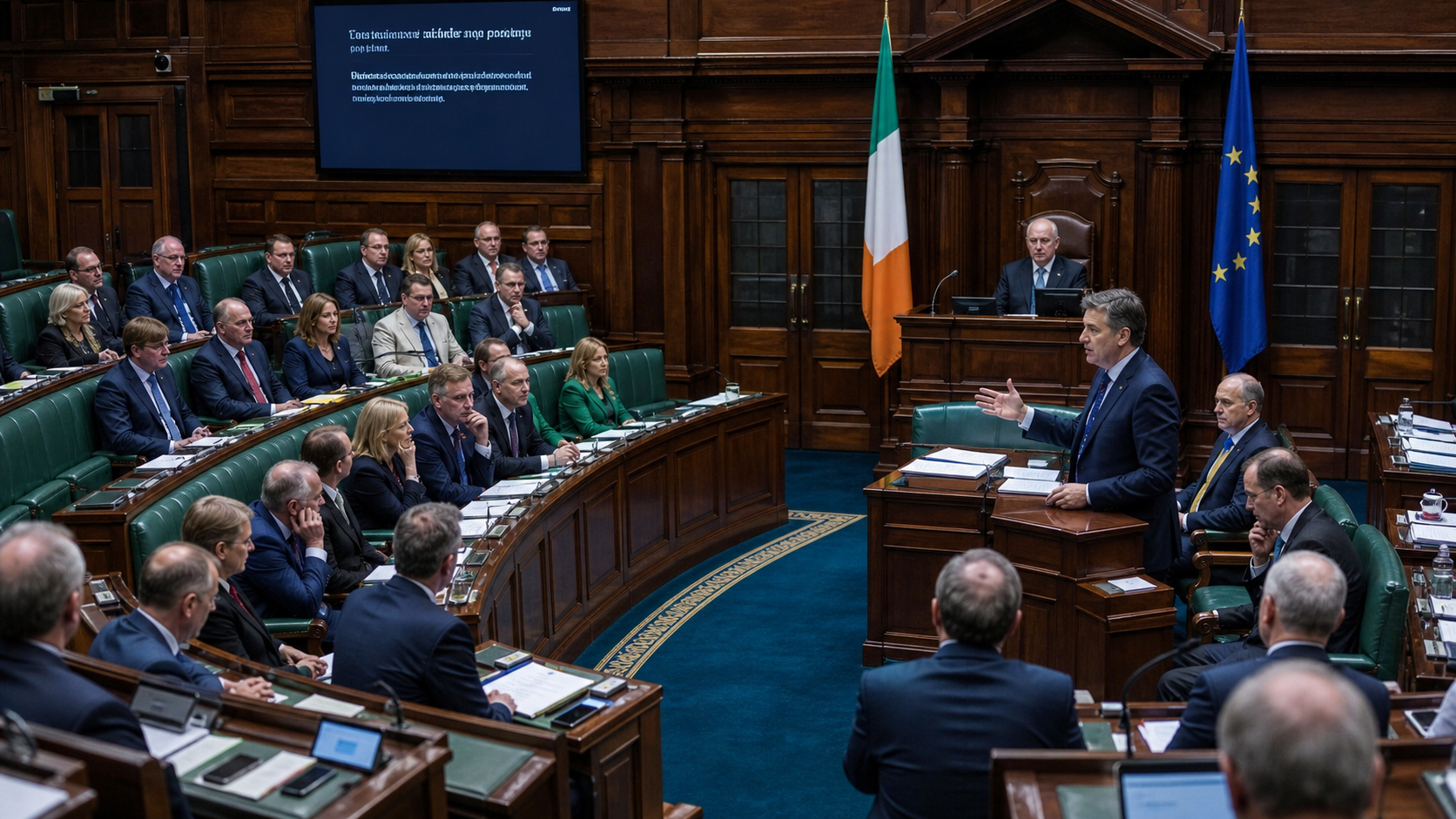
Budget 2027 will be announced by Minister for Finance Simon Harris and Minister for Public Expenditure Jack Chambers in the Dáil on Tuesday, October 6. The full details of all tax and spending measures will be published on budget day, with the Finance Bill — which gives legal effect to the tax changes — expected to be published in the weeks that follow. Opposition parties will have the opportunity to respond to the budget in the Dáil on October 7, and the Finance Bill will be subject to detailed scrutiny in the Oireachtas Finance Committee over the following months.