Budget 2027 Coalition Tensions Mount as Energy Credits, Minimum Wage and Teacher Pay Demand Resolution
With Budget 2027 just eight days away, the coalition government faces a series of crunch decisions on energy credits, the minimum wage, and teacher pay, with TDs from both Fine Gael and Fianna Fáil expressing concern about the framing of the €8.5 billion package and a teacher work-to-rule set to begin on October 5 — the day before the budget — adding further pressure to the government's position.
Background
Budget 2027, scheduled for presentation on 6 October 2026, is the most politically consequential budget in years. The €8.5 billion package — comprising €7 billion in additional spending and €1.5 billion in tax reductions — is being assembled against a backdrop of elevated inflation, a cooling housing market, a teacher pay dispute, and the ongoing cost-of-living pressures that have dominated Irish political discourse since 2022.
The budget is also being prepared in the shadow of a significant political development: the teacher unions' decision to ballot for industrial action. The Association of Secondary Teachers Ireland (ASTI) and the Irish National Teachers' Organisation (INTO) have both voted overwhelmingly for industrial action, with a work-to-rule scheduled to begin on 5 October — the day before the budget — and a one-day strike planned for 14 October. The timing is not coincidental: the unions are seeking to maximise pressure on the government in the days immediately before and after the budget announcement.
The coalition's internal dynamics have also been complicated by the Drumcree crisis, which has consumed significant political bandwidth over the past week and has made it harder for ministers to focus on the detailed negotiations required to finalise the budget package.
Key Developments
The question of energy credits has emerged as one of the most contentious issues in the budget negotiations. The government previously resisted reintroducing universal energy credits in favour of targeted support, but rising global energy prices have renewed pressure for a broader approach. A senior source has suggested that Tánaiste Simon Harris has a "streak of want" for one-off supports, while other ministers are concerned about the fiscal implications of universal payments.
On the minimum wage, the Low Pay Commission has recommended an increase of 79 cent per hour, bringing the adult minimum wage from €14.15 to €14.94 from January 2027. The government typically accepts these recommendations, but faces pressure from employers to adopt a lower figure due to rising business costs. If the increase is implemented, the government is expected to adjust the entry threshold for the 2% Universal Social Charge to prevent low-paid, full-time workers from moving into higher tax brackets.
The income tax package is expected to include an increase in the threshold for the higher 40% tax rate, potentially by €2,000, alongside adjustments to tax credits. Social welfare rates are expected to rise by approximately €7.50 per week. New state-sponsored investment accounts, offering tax-free returns up to a specific limit, are also expected to be announced.
Why It Matters
Budget 2027 matters because it will set the parameters of Irish public life for the coming year at a moment of considerable uncertainty. The teacher pay dispute, if not resolved, threatens to disrupt the education system for hundreds of thousands of children across the country. The energy credit question will determine whether the government is seen as responsive to the cost-of-living pressures facing ordinary households. And the minimum wage decision will affect the incomes of some of the lowest-paid workers in the state.
The budget also matters because of its political context. The coalition — Fine Gael, Fianna Fáil, and the Greens — is approaching the end of its term, and Budget 2027 will be one of its last major acts before the next general election. The pressure to deliver a package that is both fiscally responsible and politically popular is intense, and the internal tensions within the coalition reflect the difficulty of that task.
Local Impact
Across Ireland — in households in Dublin's Ballymun, in farms in Roscommon, in small businesses in Limerick's city centre — the budget will be felt in concrete ways. For families struggling with energy bills, the question of whether energy credits will be restored is not abstract. For workers on the minimum wage in Cork's retail sector or Galway's hospitality industry, the 79 cent increase recommended by the Low Pay Commission represents a meaningful improvement in their weekly income. For teachers in schools from Donegal to Kerry, the outcome of the pay dispute will determine whether they return to full engagement with their work or continue with industrial action.
What's Next
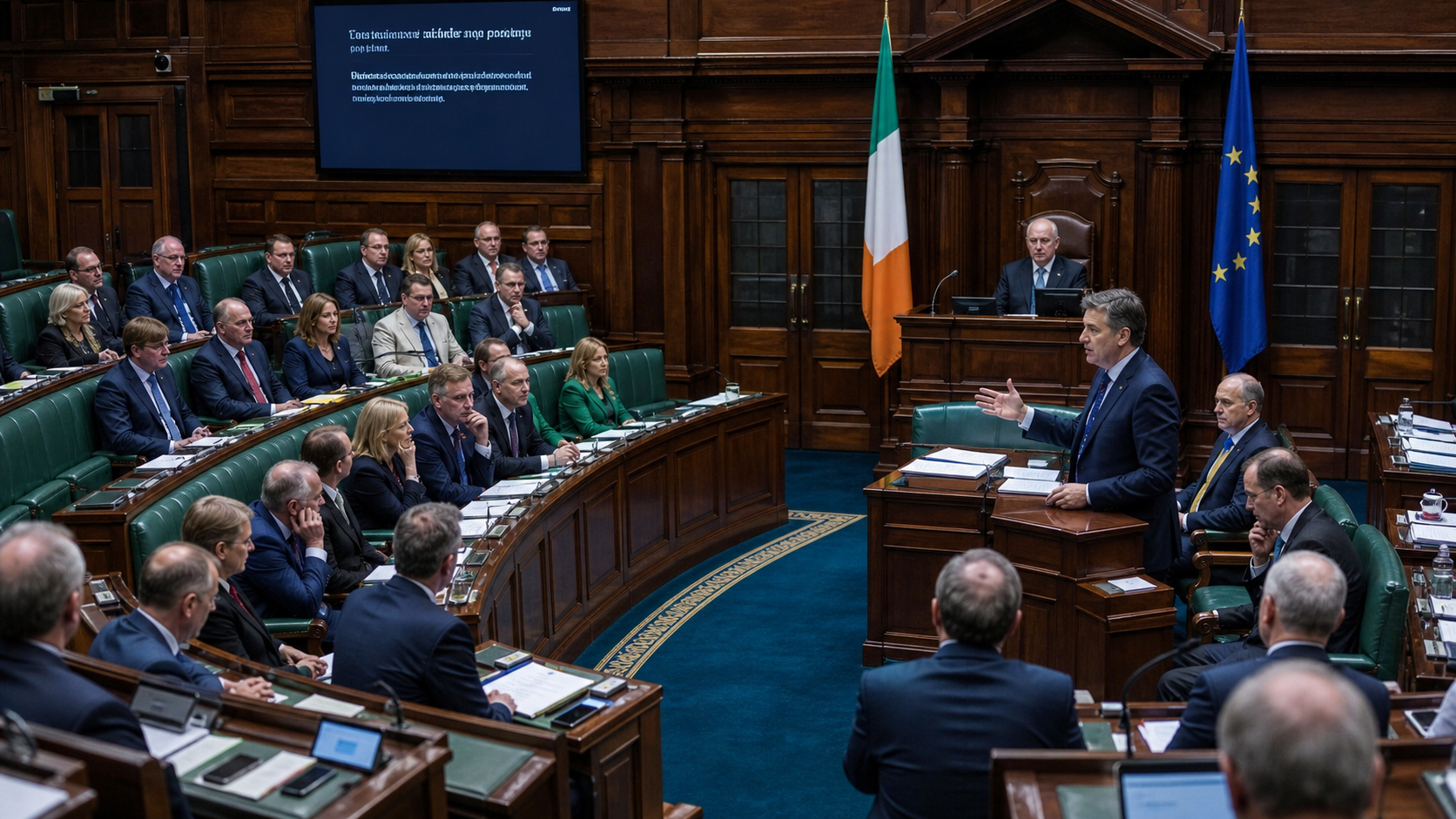
Budget 2027 will be presented to the Dáil on 6 October by Finance Minister Paschal Donohoe and Public Expenditure Minister Paschal Donohoe. The teacher work-to-rule begins on 5 October, and a one-day strike is planned for 14 October. The government has indicated that it is willing to engage with the unions without preconditions, but the unions have sought specific cost-of-living guarantees that have not yet been met. The coming week will be dominated by final negotiations on the budget package and by the question of whether a last-minute deal with the teacher unions can be reached before the work-to-rule begins.