Belfast's Sunday Trading Pilot Begins as Large Retailers Open Early for Fleadh Weekend
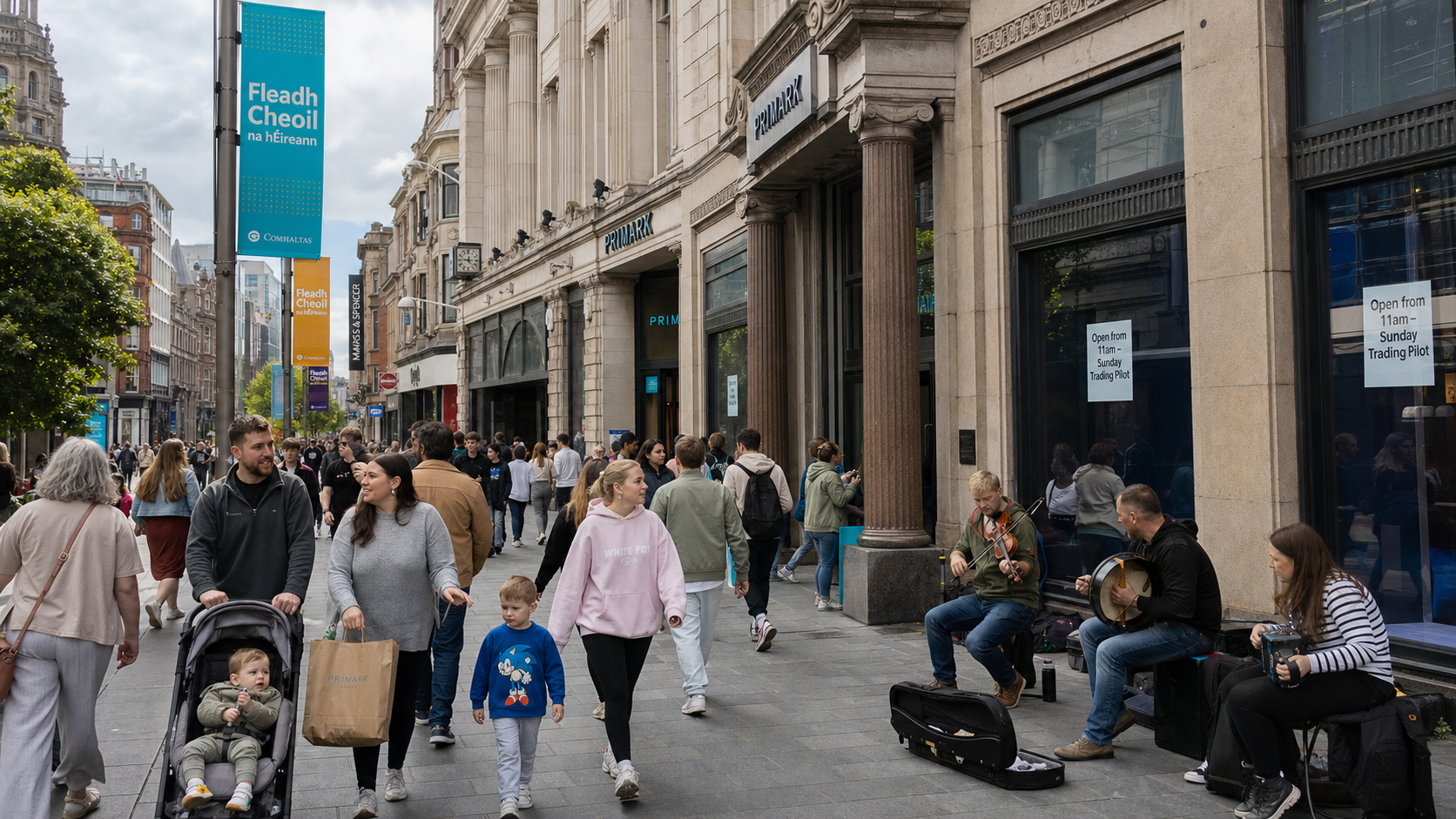
Belfast's Sunday trading pilot has come into effect this morning, with large retailers permitted to open their doors from 11:00 rather than the standard 13:00 on the two Sundays of Fleadh Cheoil na hÉireann — a limited experiment that has exposed deep divisions between trade unions, business groups, and the wider public about the future of Sunday trading in Northern Ireland.
Background
Sunday trading in Northern Ireland is governed by the Shops (Sunday Trading &c.) (Northern Ireland) Order 1997, which restricts large shops — those with a floor space exceeding 280 square metres — to opening hours of 13:00 to 18:00 on Sundays. The legislation is significantly more restrictive than the equivalent rules in England and Wales, where large retailers can open for any six-hour period on Sundays, and has been a source of ongoing debate about Northern Ireland's competitiveness as a retail destination.
The 1997 Order does, however, allow councils to designate areas as holiday resorts, which permits large stores to open for extended hours on up to 18 Sundays between March and September. Belfast City Council's Strategic Policy and Resources Committee approved a pilot scheme in May 2026 to use this provision for the two Sundays of the Fleadh — 2 August and 9 August — allowing eligible retailers to open from 11:00 on those specific dates, provided they notified the council of their intention to do so.
The committee rejected a broader proposal to apply the holiday resort designation for 13 Sundays throughout the summer, opting instead for the more limited Fleadh-specific pilot. The decision was framed as an opportunity to gather data on the economic impact of extended Sunday trading before any wider policy change is considered.
Key Developments
A council-commissioned survey conducted earlier in 2026 found that 82% of Belfast residents supported extending Sunday trading hours, a figure that proponents of the pilot have cited as evidence of strong public backing. Among retail workers, however, the response was more divided, with 48% in favour and 47% opposed — a near-even split that reflects the genuine tension between economic opportunity and workers' rights.
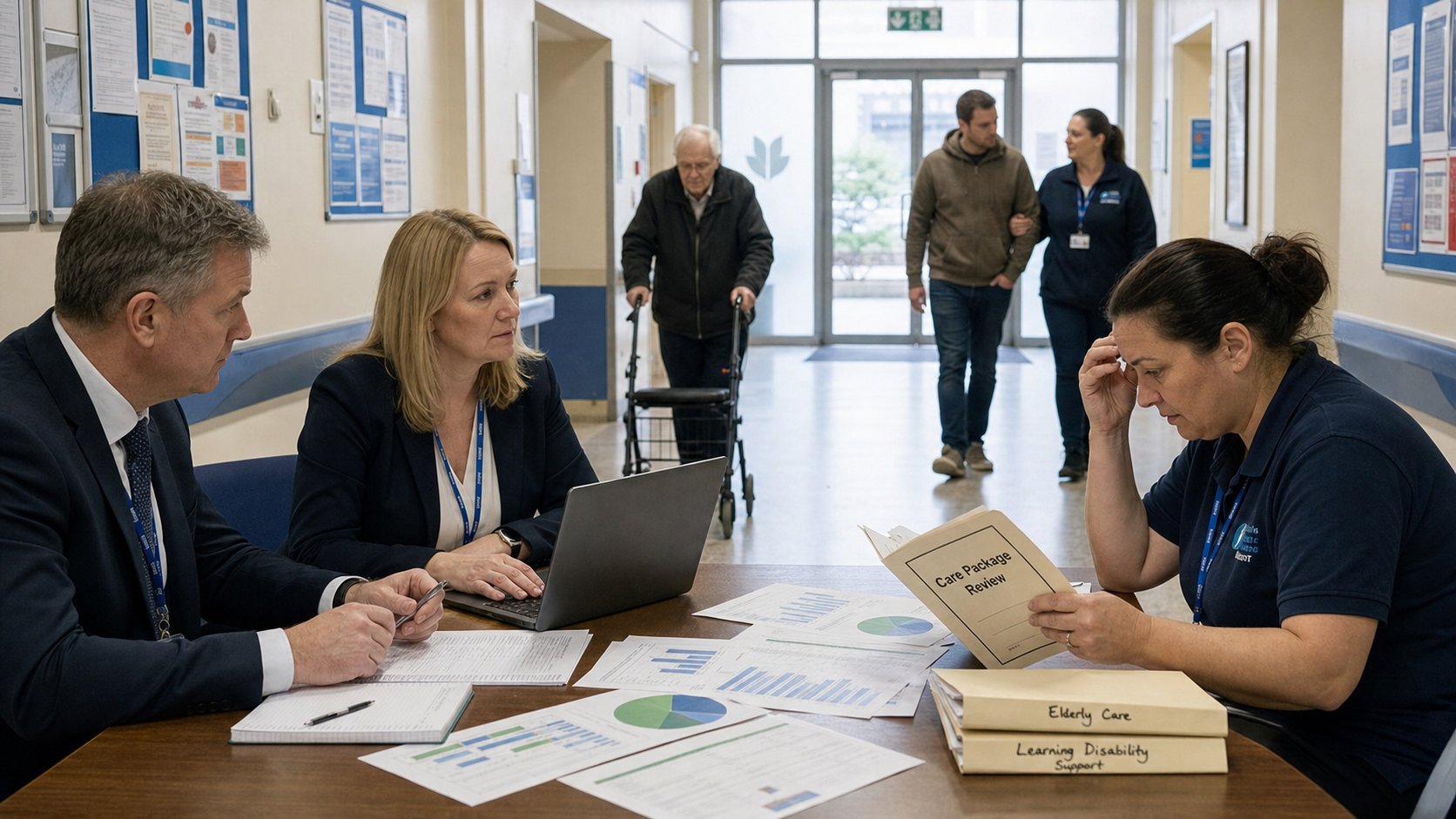
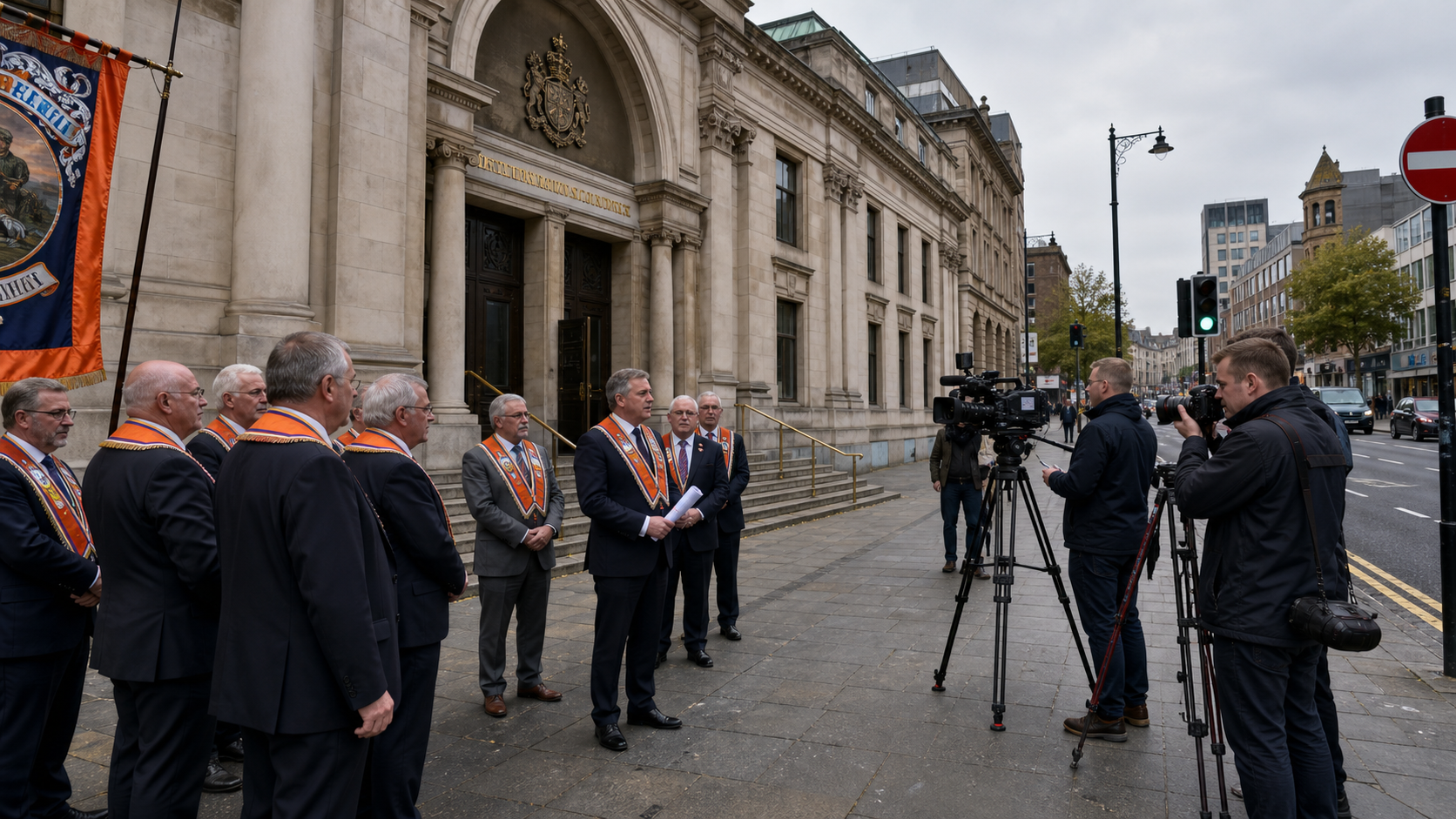
The Union of Shop, Distributive and Allied Workers has been the most vocal opponent of the pilot, arguing that the change will negatively affect the work-life balance of retail staff and that employees may face pressure from employers to work the additional hours. The union has called for any future extension of Sunday trading to be accompanied by robust protections for workers, including premium pay rates and the right to refuse Sunday work without penalty.
Business groups including the Belfast Chamber and hotel federations have broadly welcomed the pilot, arguing that the influx of Fleadh visitors — estimated at 800,000 over eight days — represents a once-in-a-generation opportunity to maximise the economic benefit to the city centre. Retail NI, however, has expressed scepticism, suggesting that the change primarily benefits large multinational retailers at the expense of smaller, independent shops that are already open on Sundays under the existing rules.
Why It Matters
The Sunday trading debate in Belfast is about more than retail hours. It touches on questions of workers' rights, religious observance, the competitiveness of Northern Ireland's economy, and the relationship between Belfast and its cross-border rival, Dublin, where Sunday trading restrictions are far less onerous. The pilot is the first concrete step toward a potential reform of the 1997 Order, and its outcome will be closely watched by retailers, unions, and policymakers across Northern Ireland.
The committee has agreed to establish a working group including trade unions and business representatives to discuss future Sunday trading policy, with the data gathered from the Fleadh pilot expected to inform those discussions. Whether the pilot leads to a permanent change or remains a one-off experiment will depend in large part on the economic evidence it generates and the political will to act on it.
Local Impact
For shoppers in Belfast city centre today, the practical effect of the pilot is straightforward: large retailers in the designated area are open two hours earlier than usual, giving Fleadh visitors and local residents more time to browse and spend before the afternoon programme of events gets under way. For retail workers, the picture is more complex, with some welcoming the additional hours and the associated pay, while others have expressed concern about the precedent being set. The Belfast City Council working group will be tasked with ensuring that any future changes to Sunday trading rules are accompanied by adequate protections for the workforce.
What's Next
The second Sunday of the pilot takes place on 9 August, the final day of Fleadh Cheoil na hÉireann. Following that date, Belfast City Council will begin the process of evaluating the economic data generated by the pilot, with a report expected to be presented to the Strategic Policy and Resources Committee in the autumn. The working group on future Sunday trading policy is expected to hold its first meeting before the end of September.