Belfast Faces Second Night of Anti-Immigrant Violence as Water Cannons Deployed in Newtownabbey
Northern Ireland endured a second consecutive night of serious disorder on Wednesday into Thursday, with police deploying water cannons against a crowd of approximately 200 people near the Sandyknowes roundabout in Newtownabbey — the latest escalation in a wave of anti-immigrant violence that has left 27 people homeless, damaged the region's international reputation and drawn condemnation from every major political party on the island.
Background
The disorder was triggered by a knife attack in north Belfast on the evening of Monday, 8 June, in which Stephen Ogilvie, a 44-year-old man, suffered life-altering injuries including the loss of an eye. A 30-year-old Sudanese national, Hadi Alodid, was arrested at the scene and subsequently charged with attempted murder, possession of a bladed weapon and making threats to kill. Alodid, who had arrived in Northern Ireland from Dublin and held a valid British visa, was remanded in custody by a district judge who cited the potential for significant public disorder if bail were granted.
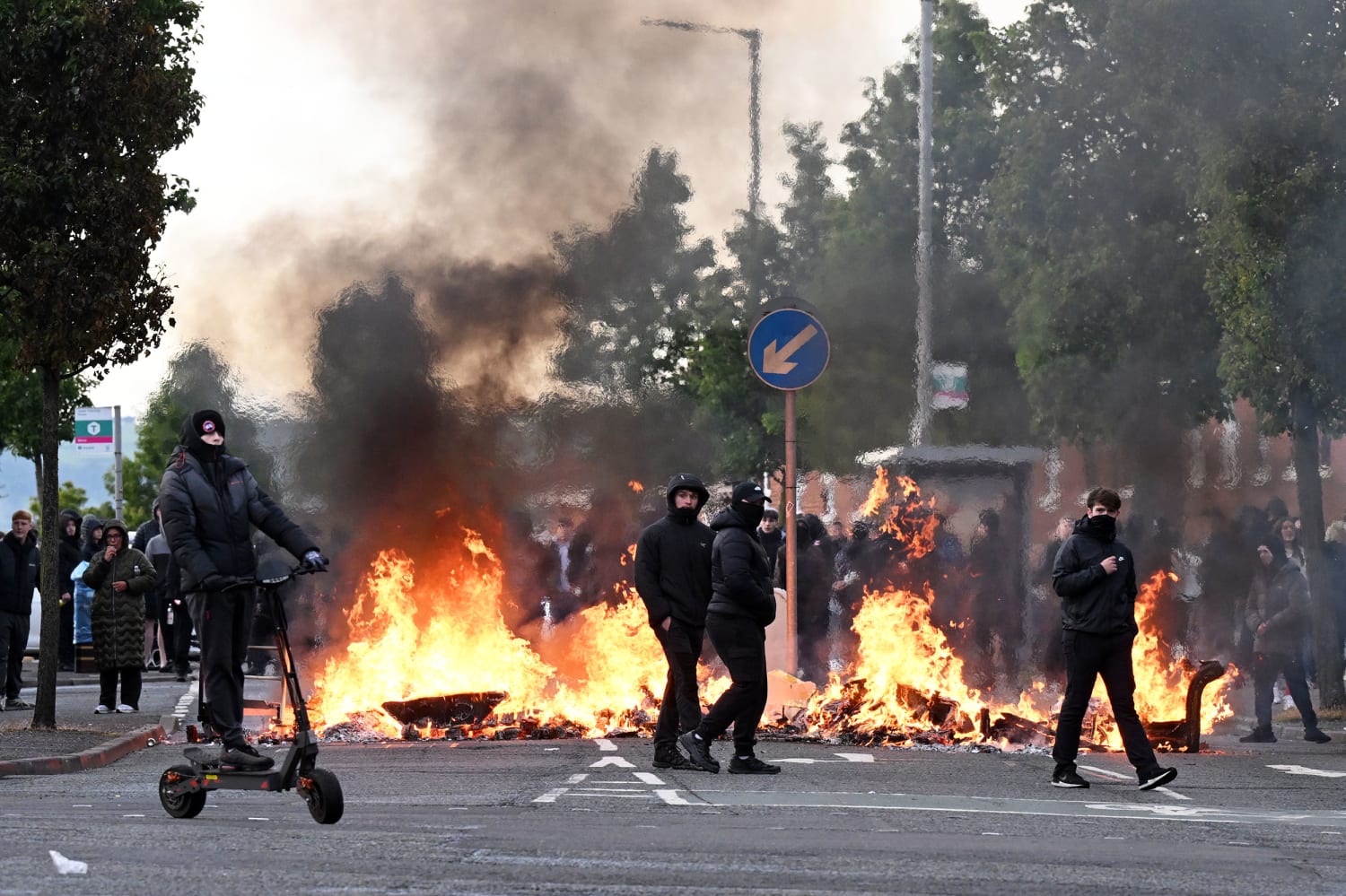
Video footage of the attack spread rapidly across social media platforms in the hours that followed, and by Tuesday evening, groups of masked individuals had begun targeting homes and vehicles in areas of Belfast with significant migrant populations. A Glider bus was hijacked and set alight on the Sydenham bypass; residential properties in east and north Belfast were attacked with petrol bombs; and a "hit list" of addresses believed to be occupied by foreign nationals was circulated online, forcing many families to flee their homes.
The PSNI's Chief Constable, Jon Boutcher, described the online dimension of the disorder as a defining feature of the crisis. "The challenge we face with the toxic nature of online today is that people are being incited by faceless individuals who know nothing of this brilliant and vibrant place," he said. Academics and security analysts noted the involvement of far-right agitators operating from outside Northern Ireland, with some international social media figures amplifying content related to the attack.
Key Developments
The second night of disorder, on Wednesday 10 June extending into the early hours of Thursday, was more contained than the initial riots but remained serious. The primary flashpoint was near the Sandyknowes roundabout in Newtownabbey, where a crowd hurled bricks, bottles and fireworks at police lines. Officers dismantled garden walls and tore up paving stones to use as projectiles. PSNI armoured vehicles pushed the crowd back before water cannons were deployed to disperse the remaining rioters. A derelict building and a van were set alight during the clashes.
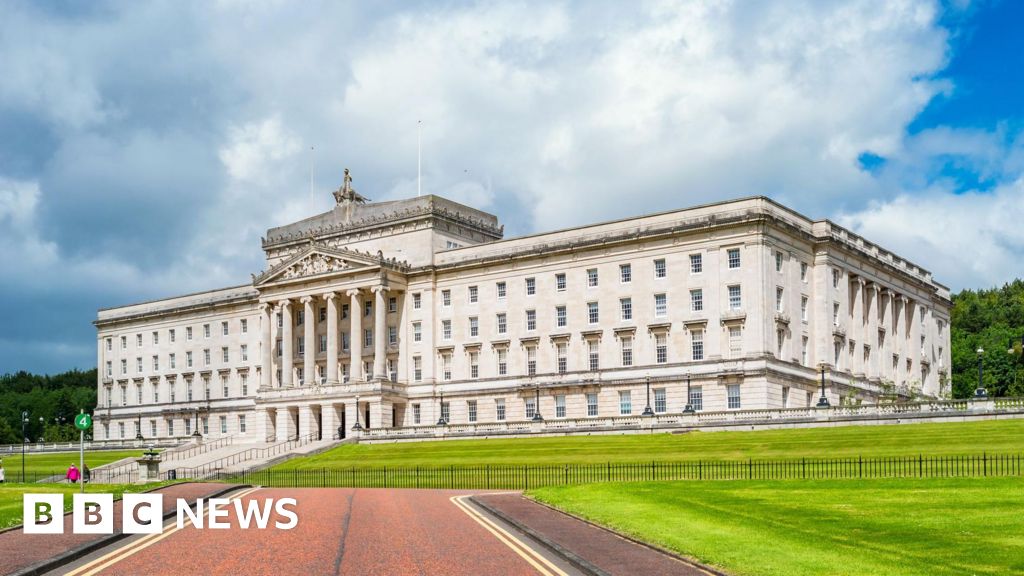
Minor disturbances were also reported near the Ardmore Road in Londonderry, though other parts of Belfast remained relatively quiet compared to the previous night. Peaceful protests were noted at Stormont and in Coleraine, where community leaders sought to channel public concern into lawful expression.
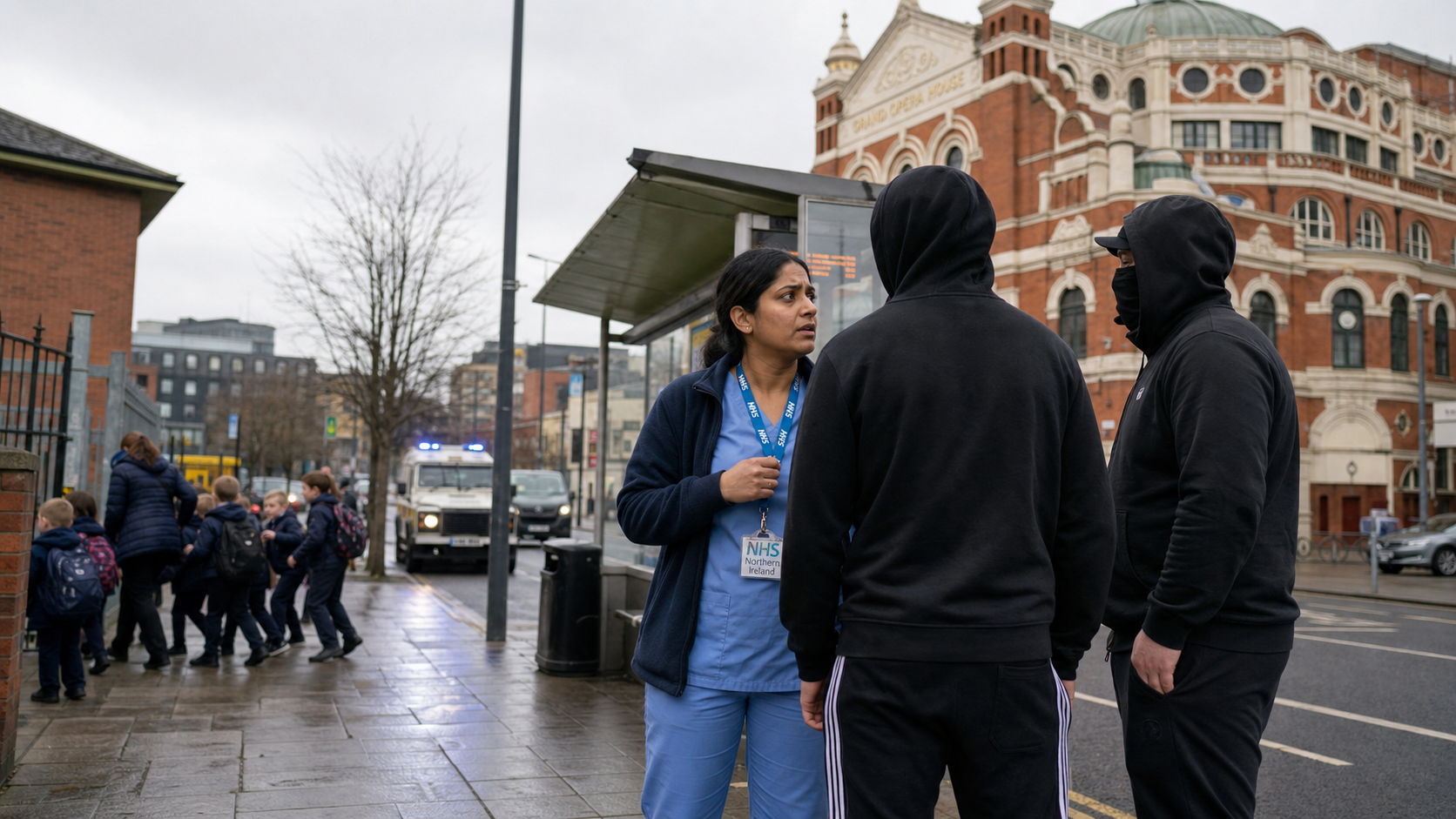
The family of Stephen Ogilvie issued a statement expressing their "disgust" at the disorder being carried out in their name. "This violence is not being done for us," the statement read. "We do not share the values of those causing this destruction. The people who work in our hospitals, our restaurants and our shops — many of them immigrants — are part of our community and we will not have our tragedy used to attack them."
Why It Matters
The Belfast disorder of June 2026 is the most serious outbreak of civil unrest in Northern Ireland since the loyalist flag protests of 2012-13, and it carries a different and in some ways more complex character. Unlike the flag protests, which were rooted in a specific constitutional grievance, the current disorder is driven by anti-immigrant sentiment that has been amplified by online networks operating far beyond Northern Ireland's borders. This is the first time that water cannons have been deployed by the PSNI in a public order situation since their controversial use during the flag protests, and their deployment in Newtownabbey marks a significant escalation in the police response.
The economic consequences are already being felt. Several international conferences and events scheduled for Belfast in the coming weeks have been placed under review, and the tourism sector — which had been enjoying a strong summer season — has reported a sharp increase in cancellations. For a city that has worked hard over three decades to build a reputation as a safe and welcoming destination, the images broadcast around the world this week represent a serious setback.
Local Impact
The 27 people rendered homeless by the initial night of rioting include families with young children who were forced to leave their homes with little notice. The Belfast City Council has activated its emergency housing protocol, working with the Housing Executive and voluntary organisations to find temporary accommodation. Several of those displaced have been housed in hotels in the city centre, with the council meeting the cost.
In Newtownabbey, local businesses near the Sandyknowes roundabout reported significant disruption on Thursday morning, with some choosing to remain closed as a precaution. Translink suspended several bus services in the area during the disorder, affecting commuters travelling between Newtownabbey and Belfast city centre. The PSNI has maintained a heightened presence across north and east Belfast, with additional officers drafted in from other districts.
What's Next
The PSNI has indicated that a significant number of arrests are expected in the coming days as officers review CCTV footage and social media content from both nights of disorder. Chief Constable Boutcher has warned that those who shared "hit lists" of addresses online may face criminal charges. The Stormont Executive is expected to hold an emergency session to discuss the disorder and the government's response, with the First Minister and deputy First Minister due to make a joint statement. A community dialogue process, involving church leaders, community organisations and political representatives, is being planned for the coming weeks.