Belfast City Centre Businesses at 'Tipping Point' as Break-In Spree Hits Hospitality Sector Ahead of Fleadh
Belfast city centre's hospitality businesses are sounding the alarm over a surge in overnight break-ins and anti-social behaviour that owners say has pushed the area to a crisis point, with incidents escalating sharply in the weeks before the Fleadh Cheoil na hÉireann is due to bring 800,000 visitors to the city. The PSNI has confirmed that multiple investigations are ongoing, with arrests made in connection with several incidents, but business owners say the response has not been sufficient to stem the tide.
Background
Belfast city centre has undergone a remarkable transformation over the past two decades, with significant investment in hospitality, retail, and cultural infrastructure helping to establish the city as a destination for tourism and business. The Cathedral Quarter, the Linen Quarter, and the area around Victoria Square have attracted a new generation of independent cafés, restaurants, and bars that have become central to the city's identity and economy.
But that transformation has always coexisted with a more difficult reality: the city centre's streets are also home to a significant population of rough sleepers and people struggling with addiction, many of whom have been failed by a health and social care system that has been chronically underfunded. The visible presence of drug use and rough sleeping in doorways and alleyways has been a source of tension between business owners, residents, and the statutory agencies responsible for addressing homelessness and addiction.
The situation has deteriorated markedly in recent months, with business owners reporting a significant increase in the frequency and severity of incidents. The timing — just weeks before the Fleadh Cheoil na hÉireann, which is expected to be the biggest event Belfast has hosted in a generation — has added urgency to calls for action from the PSNI, Belfast City Council, and the Department of Health.
Key Developments
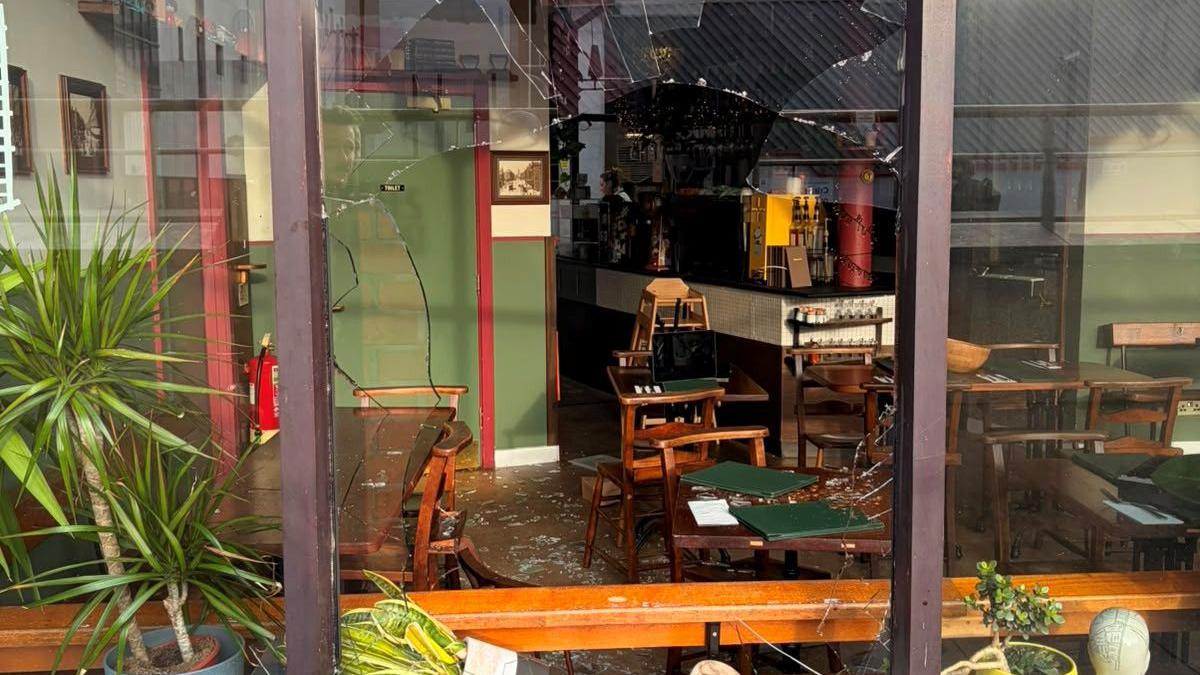
Among the businesses targeted in recent weeks is The Pocket Café on Upper Church Lane, where owner Richard Evans has become the most vocal advocate for urgent action. Evans described the situation as "untenable," citing incidents in which a beer keg was thrown through the café's window, causing significant interior damage. He has called on the PSNI and Belfast City Council to take a more proactive approach to the visible drug use and rough sleeping that he says creates an unsafe environment for staff, customers, and tourists.
Jukō, a coffee shop on Gloucester Street, was broken into in the early hours of 27 July, with security footage capturing suspects using a wheelie bin to smash a window before stealing cash from the till and staff tip jars. Simply Fish and Chips on Oxford Street was targeted around 2am on Saturday 25 July, causing the owner to lose morning trade during the busy Pride weekend.
The PSNI has confirmed that investigations are ongoing and has appealed for CCTV and dash-cam footage to assist inquiries. Arrests have been made in connection with several incidents, but business owners say the cycle of break-ins continues regardless. Belfast City Council has acknowledged the challenges of homelessness, addiction, and anti-social behaviour, and has stated its commitment to a multi-agency approach, while noting that it lacks the statutory power to open medical facilities such as drug consumption rooms.
The council has emphasised its determination to ensure a safe environment for the 800,000 visitors expected for the Fleadh Cheoil na hÉireann, which runs from 2 to 9 August. Enhanced PSNI patrols and additional street cleaning and outreach services are being planned for the festival period.
Why It Matters
The situation in Belfast city centre is not unique — similar pressures are being felt in Dublin, Cork, and other Irish cities where the visible consequences of homelessness and addiction have become a source of public concern. But the timing in Belfast is particularly acute. The Fleadh Cheoil na hÉireann represents an extraordinary opportunity for the city to showcase itself to the world, and the contrast between the festival's celebratory ambitions and the reality of the city centre's streets is a challenge that cannot be wished away. The business owners who are speaking out are not unsympathetic to the plight of rough sleepers and people in addiction — many have expressed genuine concern for the welfare of the individuals involved. What they are demanding is a coordinated, adequately resourced response that addresses the root causes of the problem rather than simply displacing it from one street to another. That is a demand that deserves to be taken seriously by every agency with responsibility for the city's wellbeing.
Local Impact
The impact of the break-ins and anti-social behaviour is being felt most acutely by the small, independent businesses that have invested in the city centre and that operate on tight margins. For a café owner who loses a morning's trade because their window has been smashed, or who faces the cost of replacing a till and repairing interior damage, the financial consequences can be severe. The emotional toll — the anxiety of arriving at work each morning not knowing what has happened overnight — is also significant. In the Cathedral Quarter, the Linen Quarter, and the streets around Victoria Square, business owners are sharing information and supporting each other, but they are clear that community solidarity alone is not enough. They need the statutory agencies to step up.
What's Next
Belfast City Council is expected to convene an emergency meeting with business representatives, the PSNI, and health and social care agencies in the coming days to discuss the response to the city centre situation ahead of the Fleadh. The PSNI has indicated that additional resources will be deployed during the festival period. The Department of Health has been asked to provide an update on the availability of addiction treatment services in the city centre. Business owners have indicated that they will continue to speak publicly about the situation until they see concrete action from the agencies responsible for the city's safety and wellbeing.