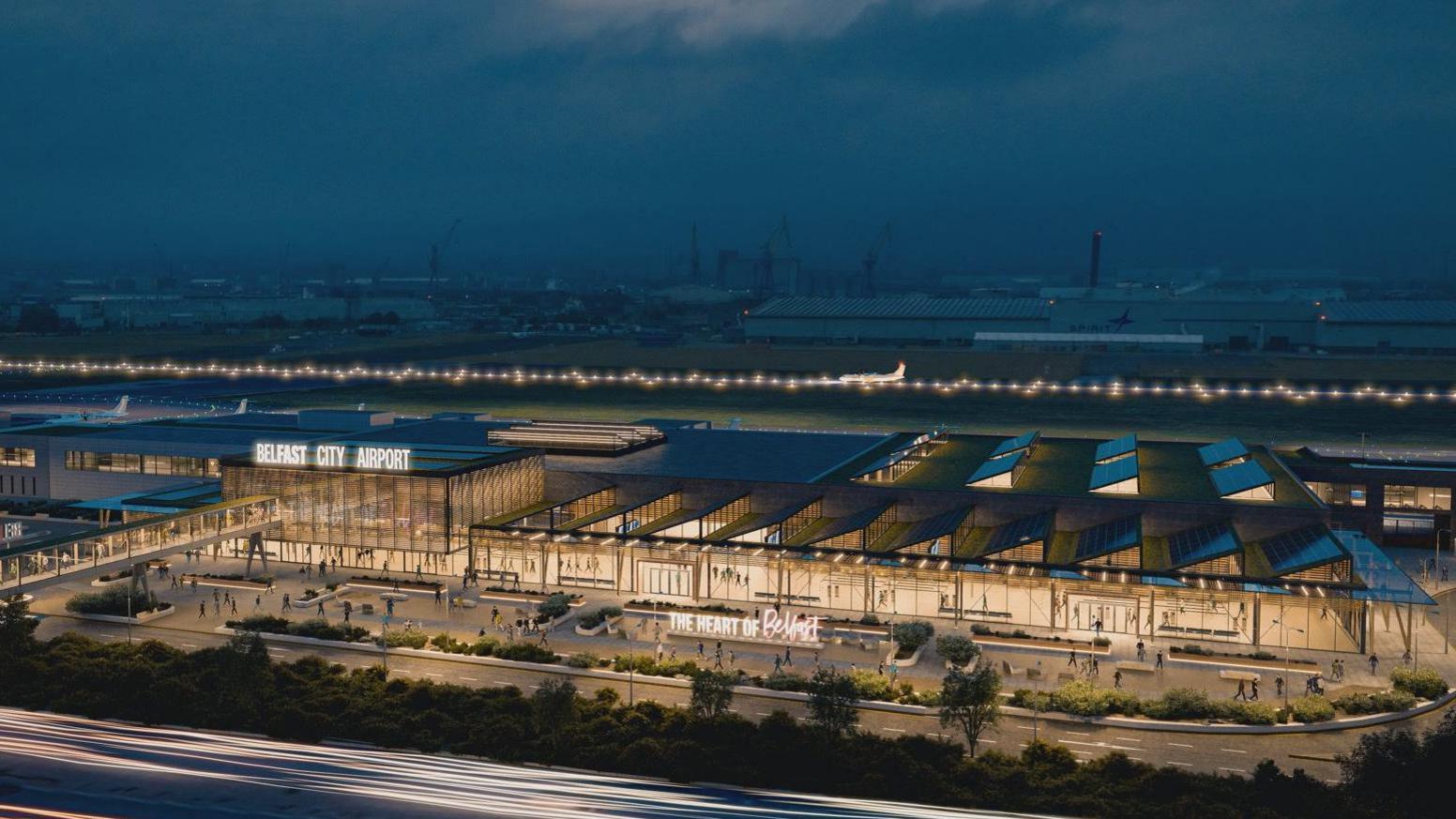
Belfast City Airport Seeks Permission to Extend Operating Hours and Increase Flights in £200m Expansion
Belfast City Airport has formally submitted a Proposal of Application Notice to extend its daily operating hours by one hour and increase its annual flight movement cap from 48,000 to 61,000, as part of a £200 million expansion plan that the airport says is essential to meet growing demand for air travel to and from the island of Ireland over the next two decades.
Background
Belfast City Airport, formally known as George Best Belfast City Airport, occupies a unique position in Northern Ireland's transport infrastructure. Situated just three kilometres from Belfast city centre on the eastern shore of Belfast Lough, it offers a level of urban accessibility that few airports in the United Kingdom or Ireland can match. Its proximity to the city centre — accessible by Translink Metro bus and a short taxi journey from the Europa Bus Centre — makes it the preferred choice for business travellers and those connecting to the wider Belfast metropolitan area.
The airport currently operates under a legally binding Planning Agreement that restricts its daily operating hours to 15 hours and caps annual flight movements at 48,000. These restrictions were established as part of the planning consent process and reflect the airport's location in a densely populated urban area, with residential communities in east Belfast, Sydenham, and Holywood in close proximity to the flight path. Any modification to these conditions requires a formal planning process involving the Department for Infrastructure, Belfast City Council, and Ards and North Down Borough Council.
The airport's 2040 master plan, which underpins the current expansion proposals, projects that demand for air travel to and from the island of Ireland will double over the next 15 years. This projection is consistent with broader forecasts from the International Air Transport Association and reflects the continued growth of low-cost carrier routes, the expansion of business travel, and the increasing importance of connectivity for Northern Ireland's economy.
Key Developments
The specific changes being sought are a one-hour extension to the operating day — allowing scheduled flights to operate until 10:30 pm rather than the current 9:30 pm — and an increase in the annual flight movement cap from 48,000 to 61,000. The airport has stated that it intends to retain the existing no-fly period between midnight and 6:30 am, which provides a degree of protection for nearby residents during the night hours.
The £200 million investment plan that accompanies these proposals includes a range of infrastructure improvements: upgraded passenger facilities, a new multimodal forecourt designed to improve connections between the airport and public transport, additional car parking, a hotel, and — most significantly — the potential for a future rail halt that would connect the airport directly to the Belfast suburban rail network. The rail halt proposal, if realised, would represent a transformative improvement in the airport's public transport connectivity and would align Belfast City Airport with comparable European airports that have direct rail access.
The airport has submitted its Proposal of Application Notice to trigger a public consultation period, during which residents, community groups, and other stakeholders will have the opportunity to make representations. The formal planning application is expected to follow the consultation process.
Why It Matters
The expansion of Belfast City Airport is a significant economic and infrastructure question for Northern Ireland. The airport currently handles approximately 2.5 million passengers per year and supports thousands of jobs directly and indirectly. An increase in flight movements to 61,000 per year would allow the airport to attract new routes and carriers, improving connectivity to European and UK destinations that are currently underserved from Belfast.
The comparison with Dublin Airport is instructive. Dublin handled over 32 million passengers in 2025 and is itself constrained by planning limits on flight movements, a situation that has generated significant political controversy in the Republic. Belfast City Airport's expansion, if approved, would not bring it anywhere near Dublin's scale, but it would meaningfully improve Northern Ireland's position as a destination for inward investment and tourism. The Northern Ireland Executive has consistently identified connectivity as a key enabler of economic growth, and the airport's expansion aligns with that strategic priority.
The concerns of local residents, however, are legitimate and must be weighed carefully. Communities in Sydenham, Holywood, and east Belfast have historically raised objections to airport expansion on grounds of noise, air quality, and the impact on residential amenity. The proposed extension of operating hours until 10:30 pm will be the most contentious element of the application for those living under the flight path.
Local Impact
For east Belfast communities — including Sydenham, Ballyhackamore, and the Holywood Road corridor — the expansion proposals will be scrutinised closely. Translink's existing Metro route 600 connects the airport to the city centre, and the proposed multimodal forecourt improvements could enhance that connection. The potential rail halt, if delivered, would be transformative for commuters and travellers in the Bangor and Holywood rail corridor. Belfast City Council and Ards and North Down Borough Council will both have a formal role in the planning process, and elected representatives from east Belfast constituencies are expected to engage actively with the consultation.
What's Next
The public consultation period triggered by the Proposal of Application Notice will run for a minimum of eight weeks, during which the airport will hold public information events and accept written representations. The formal planning application is expected to be submitted to the Department for Infrastructure in early 2027. A decision on the application could take 12 to 18 months from submission, meaning that any changes to operating hours or flight movement caps are unlikely to take effect before 2028 at the earliest.