Bank of England Warns Iran War Threatens UK Financial Stability as Mortgage Rates Surge
The Bank of England has issued its starkest warning yet about the economic consequences of the US-Iran war, cautioning that the conflict has significantly boosted threats to UK financial stability and could trigger a cascade of simultaneous financial shocks.
The Bank's Financial Policy Committee published its assessment this week, warning that the war has created a "substantial negative supply shock" to the global economy and that pre-existing vulnerabilities in financial markets are now at heightened risk of crystallising at the same time.
Background
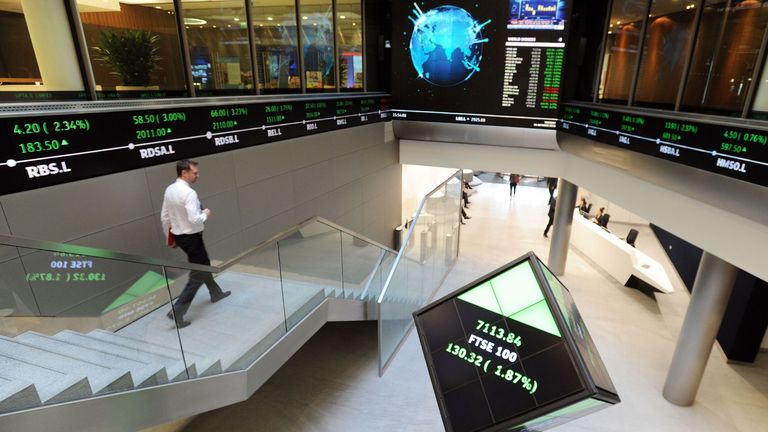
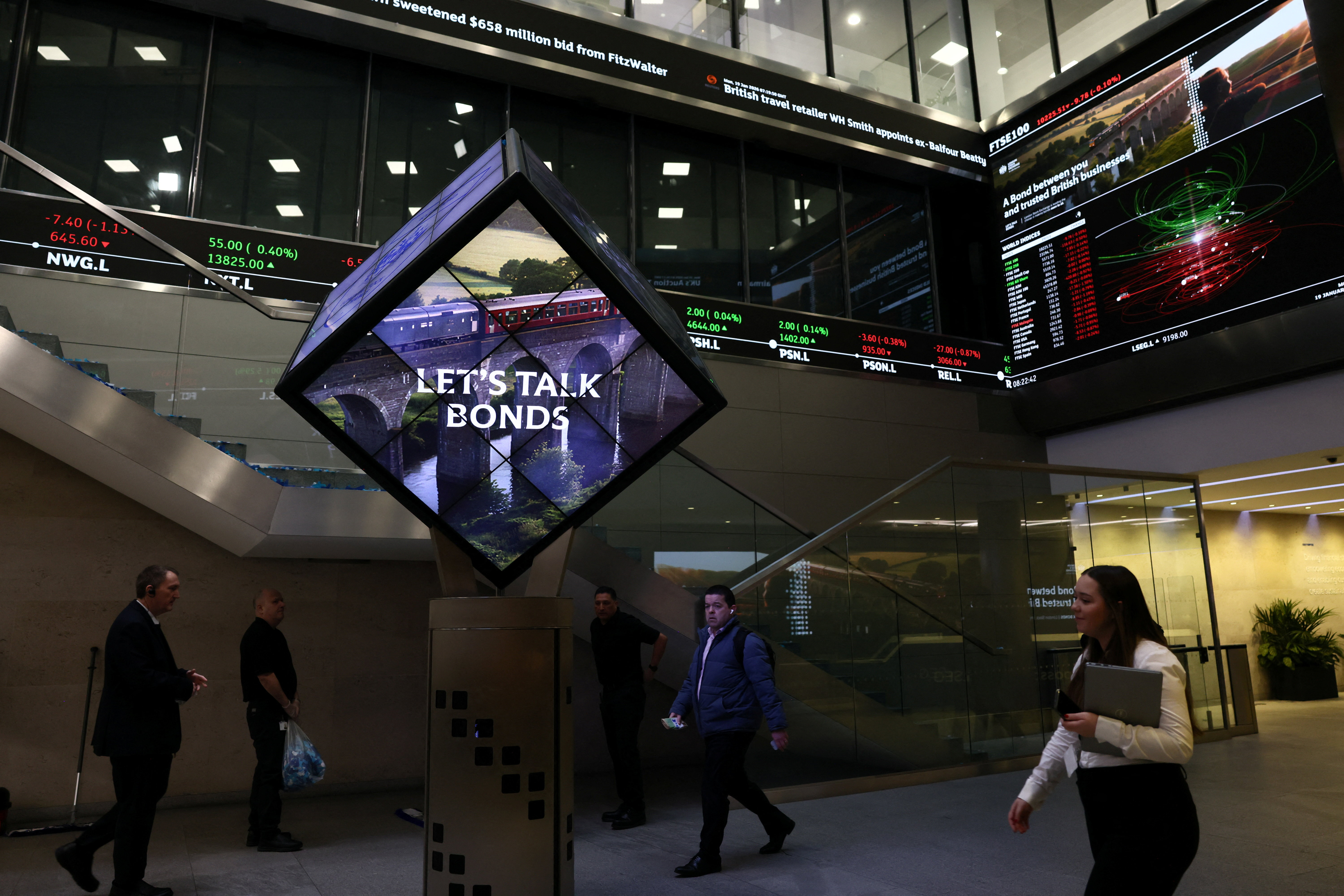
The US-Iran war, which began in late February 2026, has disrupted global energy supplies, particularly through the Strait of Hormuz, a critical maritime corridor through which approximately a fifth of global oil and liquefied natural gas supplies pass. UK natural gas prices have risen by more than 70% since the conflict began, and the FTSE 100 fell below 10,000 points in March before staging a partial recovery.
Chelsea Football Club's financial difficulties also made headlines this week, with the club reporting a pre-tax loss of £262.4 million for the 2024-25 season — the largest in Premier League history — as the broader economic environment weighs on major UK businesses.
Key Developments
The Bank of England's Financial Policy Committee identified three key vulnerabilities that the war is threatening to crystallise simultaneously: stretched valuations of US technology companies heavily invested in artificial intelligence; weaknesses in private credit markets, including the recent default of a private credit-backed lender; and concentrated hedge fund positions in UK sovereign bond markets.
The impact on UK mortgage holders has been immediate and severe. Banks withdrew around 1,500 mortgage products and raised rates on the remaining 7,000 home loan products. The average two-year fixed residential mortgage rate surged to 5.84% by 1 April, up from 4.83% at the start of March — an increase analysts have termed "Trumpflation." The Bank estimates the conflict could increase monthly mortgage payments for an additional 1.3 million UK households.
Bank of England Governor Andrew Bailey sought to calm markets, stating that they were "getting ahead of themselves" by pricing in interest rate hikes. The Bank kept rates on hold at 3.75%, but economists now expect any cuts to be delayed significantly from earlier forecasts.
Why It Matters
The Bank's warning represents a significant escalation in official concern about the war's economic impact on the UK. With UK inflation already elevated and household finances under pressure from rising energy bills, council tax increases, and higher mortgage costs, the prospect of a financial crisis triggered by simultaneous market shocks would be deeply damaging.
UK government borrowing costs reached their highest level since 2008 in March, with 10-year gilt yields trading above 5%, adding to pressure on public finances at a time when the government is already facing calls for additional household support.
What's Next
The Bank of England's next interest rate decision is scheduled for 30 April. Analysts expect rates to remain on hold, with any cuts now pushed back to the second half of 2026 at the earliest. The government is reportedly exploring targeted energy bill relief for the most vulnerable households, but broader fiscal support measures remain under discussion.
Read the full Bank of England assessment via Reuters.