Bank of England Holds Rates at 3.75% as Middle East Crisis Fuels UK Inflation Fears
The Bank of England has voted unanimously to hold the base rate at 3.75%, warning that the escalating conflict in the Middle East has caused a significant increase in global energy prices that threatens to reignite inflation in the United Kingdom.
The Monetary Policy Committee (MPC) noted in its March 2026 meeting minutes that the conflict has created a "significant new shock" to the economy, with the Bank now projecting that CPI inflation could rise to 3.5% in the third quarter of 2026 — a stark reversal from previous forecasts that had anticipated a return towards the 2% target.
Background
The Bank of England had been on a cautious path of rate reductions following the post-pandemic inflation surge. However, the outbreak of conflict in the Middle East has dramatically altered the economic outlook, sending global energy prices sharply higher and creating renewed uncertainty for UK households and businesses.
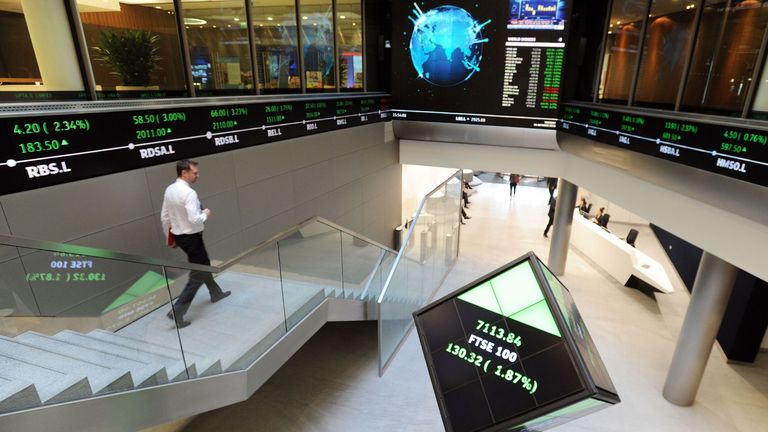
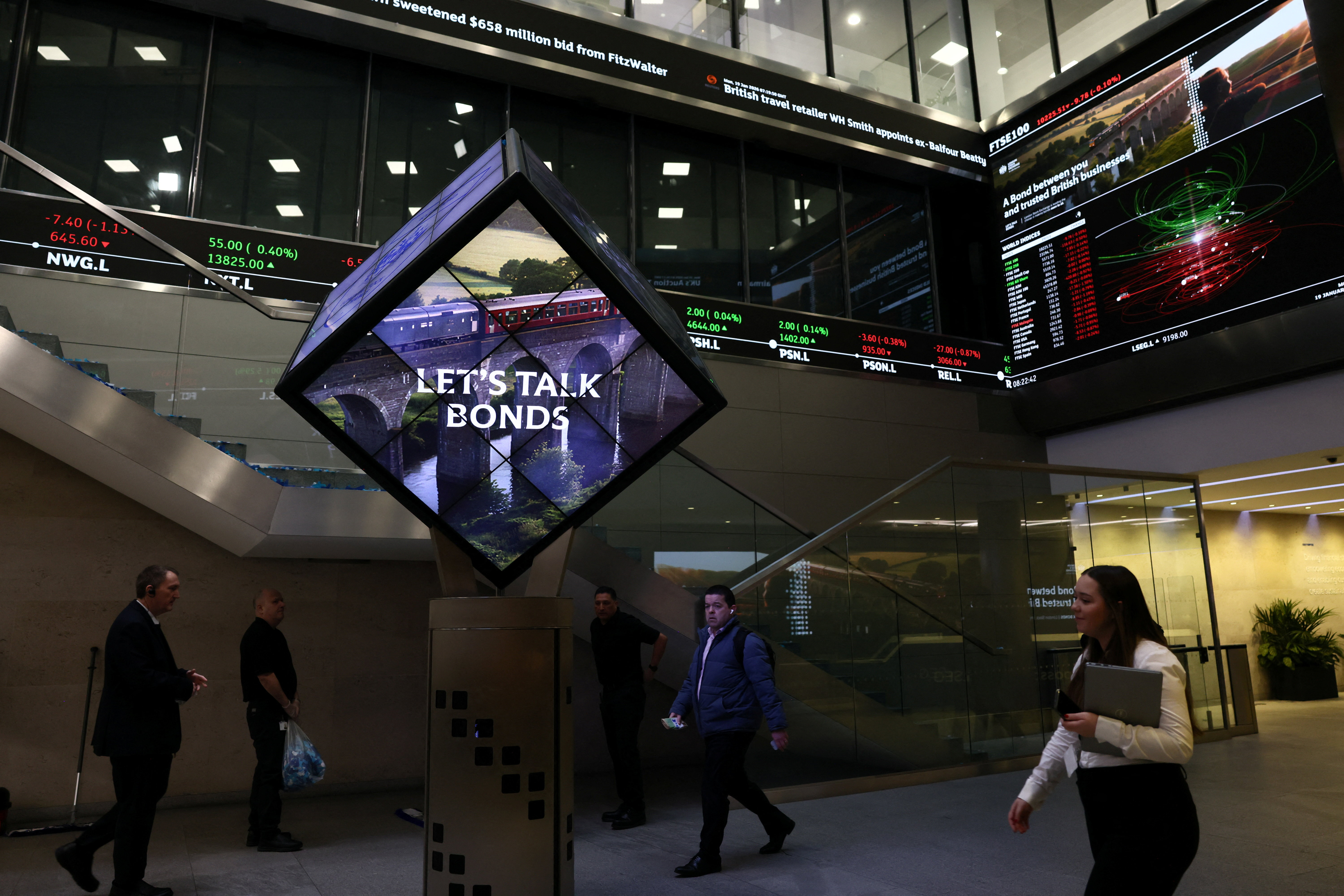
UK and European wholesale gas prices jumped by 15% in mid-March 2026, while Brent crude oil climbed to over $110 a barrel. The FTSE 100 fell by 2.35% to close at 10,063 points on the day of the announcement — its largest single-day drop in over two weeks — with housebuilder Barratt seeing its shares fall by 8.4% and NatWest dropping by 8%.
Key Developments
The disruption has been compounded by news that Iranian strikes damaged LNG export facilities operated by QatarEnergy, wiping out 17% of the company's liquefied natural gas export capacity, with repairs estimated to take three to five years. This has sent shockwaves through energy markets and raised the prospect of prolonged supply disruption.
Bank of England Governor Andrew Bailey sought to temper expectations of aggressive monetary tightening, stating: "I would caution against reaching any strong conclusions about us raising interest rates.... Today we've given a very clear message. The right place to be is on hold." Despite this, money markets are pricing in two interest rate hikes in 2026, which would lift the Bank Rate to 4.25% by December.
Why It Matters
For UK households already grappling with the cost of living, renewed inflationary pressure from energy prices is deeply unwelcome. Higher energy costs risk feeding into broader wage and price-setting behaviour — what economists call "second-round effects" — making the Bank's task of returning inflation to target significantly harder. The housing market faces renewed headwinds, and businesses are reconsidering investment decisions.
What's Next
The MPC will continue to monitor the evolving situation closely. Economists are divided on the likely path of rates: Deutsche Bank's Sanjay Raja has noted that "the prospect of rate hikes can no longer be discounted", while Berenberg's Andrew Wishart believes the hawkish shift will tighten financial conditions and suppress demand, ultimately keeping rates on hold. The next MPC decision is expected in May 2026.
Full details of the Bank's decision are available at Bank of England.