Andy Burnham Emerges as Frontrunner to Succeed Starmer as UK Prime Minister with Irish Policy Implications
Andy Burnham, the former Mayor of Greater Manchester who returned to Westminster following a by-election victory earlier this year, has emerged as the clear frontrunner to succeed Sir Keir Starmer as UK Prime Minister following Starmer's sudden resignation last weekend. The civil service has already begun providing Burnham with the briefings typically afforded to a leadership contender, and Starmer held his first formal meeting with Burnham since the by-election on Monday — a development that has been widely interpreted as a signal of the outgoing Prime Minister's preference for an orderly transition. For Ireland, North and South, the change in leadership at Westminster carries significant implications that are already being closely monitored in both Dublin and Belfast.
Background
Keir Starmer's resignation, announced on Sunday evening, came as a surprise to most political observers, though those close to the Prime Minister had noted signs of increasing strain in recent weeks. Starmer had faced sustained pressure from within the Labour Party over a range of policy decisions, including the government's handling of the cost-of-living crisis, its approach to public sector pay, and its management of the post-Brexit relationship with the European Union. His resignation statement cited personal reasons and a desire to allow the party to "renew its leadership" ahead of what he described as the challenges of the coming years.
Andy Burnham's emergence as the frontrunner reflects both his personal popularity within the Labour Party and his track record as Mayor of Greater Manchester, where he developed a reputation as a pragmatic, results-oriented politician with a genuine commitment to public services and regional development. His decision to return to Westminster — giving up the mayoralty he had held since 2017 — was widely interpreted as a signal of his leadership ambitions, and his by-election victory in a safe Labour seat in the north of England provided him with the parliamentary platform he needed.
Burnham's relationship with Ireland is not extensive, but his record as Mayor of Greater Manchester — a city with a large and historically significant Irish diaspora — has given him some familiarity with Irish community issues. Greater Manchester is home to one of the largest Irish communities in Britain, and the city's cultural and economic ties with Ireland are deep and longstanding. His approach to devolution and regional governance in Greater Manchester has also been closely watched in Belfast, where the debate about the appropriate level of autonomy for the devolved institutions is ongoing.
Key Developments
The civil service's decision to begin providing Burnham with leadership briefings — a step that is normally reserved for the leader of the official opposition in the run-up to a general election — is a significant signal of the direction of travel within the Labour Party. While some Labour MPs have called for a full leadership contest to allow the party to debate its policy direction, the momentum appears to be firmly behind a swift and orderly transition to Burnham. No. 10 has confirmed that no major new policy announcements will be made until the new leader is in place, though the government plans to publish a Defence Investment Plan before the NATO summit in early July.
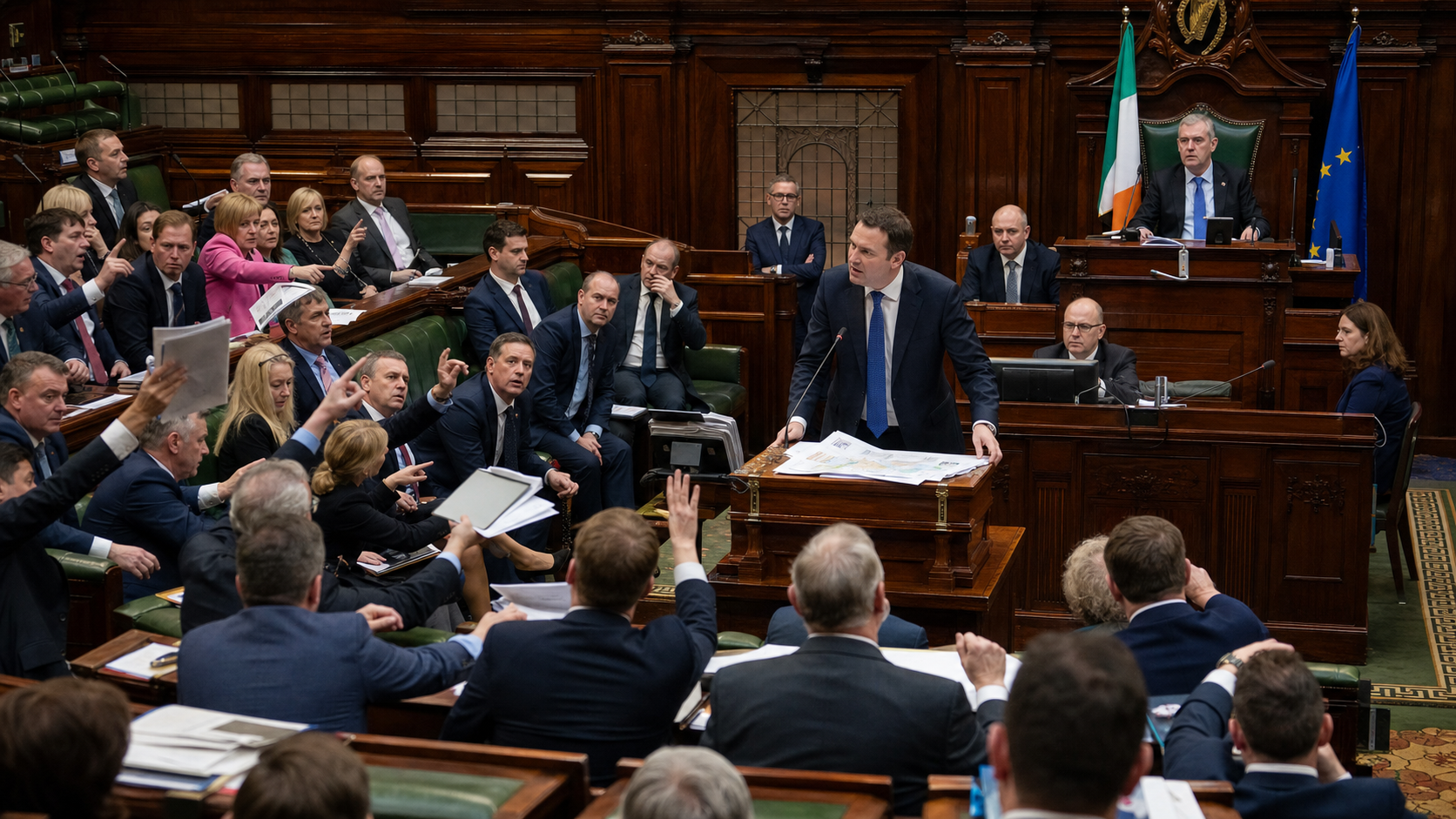
In Dublin, the Department of Foreign Affairs has been monitoring the leadership transition closely, with officials preparing briefing materials on Burnham's policy positions and his likely approach to the key issues in the UK-Ireland relationship. The Taoiseach's office has indicated that the Taoiseach will seek an early meeting with the new Prime Minister once the transition is complete, with the agenda expected to include the operation of the Windsor Framework, the Common Travel Area, and the ongoing work of the British-Irish Intergovernmental Conference.
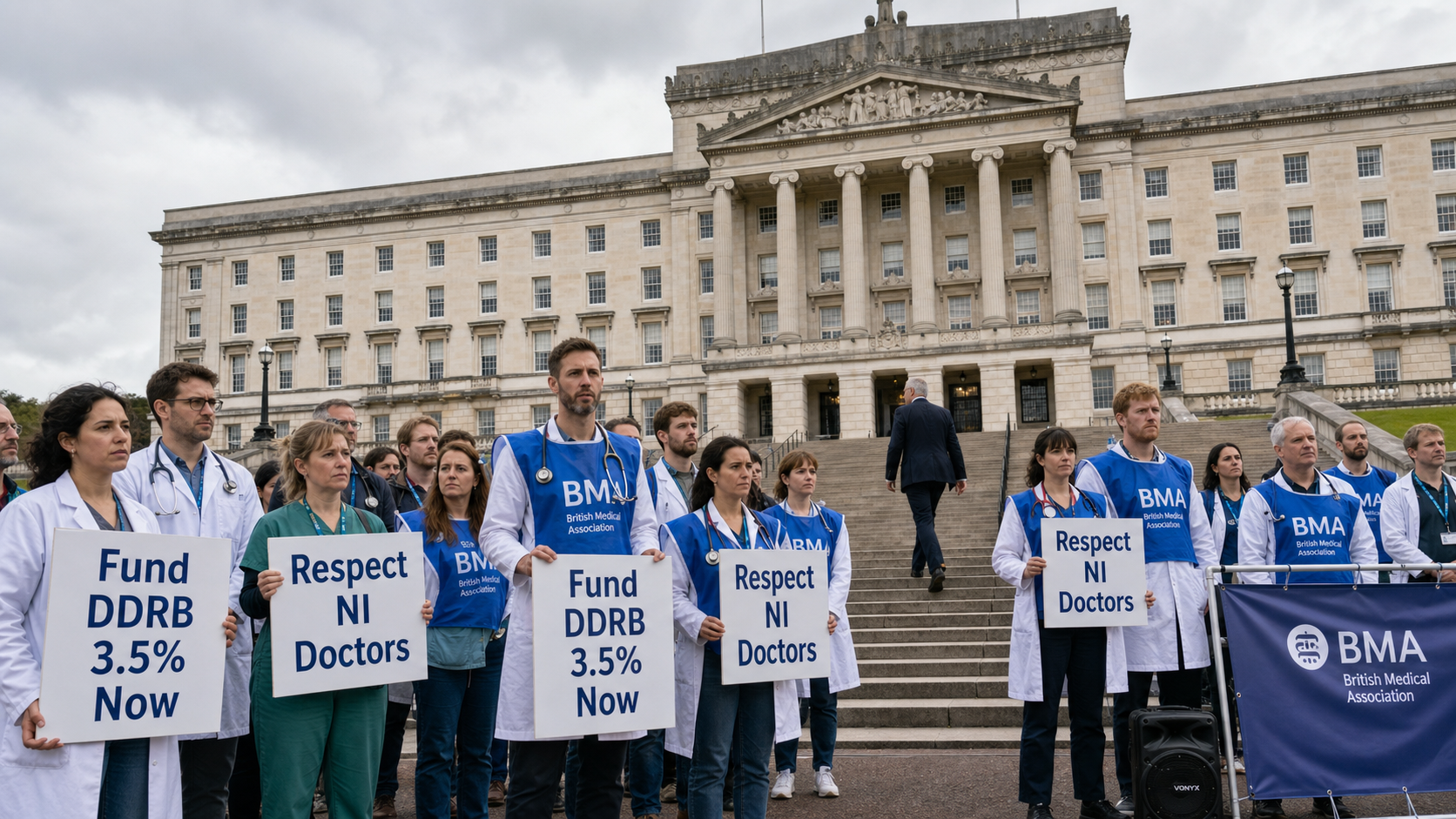
In Belfast, the reaction to Starmer's resignation has been mixed. Unionist parties have expressed concern about the uncertainty created by the leadership transition, particularly given the ongoing negotiations about the Stormont budget and the future of the Windsor Framework. Nationalist parties have been more sanguine, with Sinn Féin noting that the change in leadership provides an opportunity to reset the relationship between Westminster and the Stormont institutions.
Why It Matters
The change in UK Prime Minister matters for Ireland for several interconnected reasons. The Windsor Framework, which governs the post-Brexit trading arrangements for Northern Ireland, remains a live and contested issue, and the new Prime Minister's approach to its implementation will have direct consequences for businesses and consumers on both sides of the border. The Common Travel Area, which allows Irish and British citizens to move freely between the two islands, has come under pressure in the context of the recent anti-immigration riots in Belfast and the debate about border security, and the new Prime Minister's position on this issue will be closely watched. More broadly, the stability of the Stormont institutions depends in part on the active engagement and support of the Westminster government, and a period of leadership transition in London inevitably creates uncertainty about the level of attention that will be devoted to Northern Ireland affairs. Unlike the Republic, which has a stable government with a clear mandate, Northern Ireland is navigating a period of political turbulence that requires sustained engagement from Westminster to manage effectively.
Local Impact
In Northern Ireland, the immediate practical impact of the leadership transition is limited — the devolved institutions continue to function, and the day-to-day business of government in Belfast is not directly affected by who occupies No. 10. However, the medium-term implications are significant. The Stormont budget negotiations, which are at a critical stage, require active engagement from the Treasury and from the Secretary of State for Northern Ireland, and a period of leadership transition in London risks delaying the resolution of these negotiations. In the Republic, the leadership transition has prompted a reassessment of the government's approach to the UK relationship, with some officials arguing that the change provides an opportunity to push for a more ambitious framework for UK-Irish cooperation in the post-Brexit era.
What's Next
The Labour Party's National Executive Committee is expected to meet in the coming days to agree on the process for selecting a new leader. If the party opts for an accelerated transition rather than a full leadership contest, Burnham could be confirmed as Prime Minister within two to three weeks. The NATO summit in early July provides a natural deadline for the transition to be completed, as the UK's new leader will need to be in place to represent the country at the summit. The Taoiseach has indicated that he will travel to London for a bilateral meeting with the new Prime Minister within two weeks of the transition being completed.