Alliance Party Demands Institutional Reform as Condition of Stormont Budget Deal as UK Deadline Looms
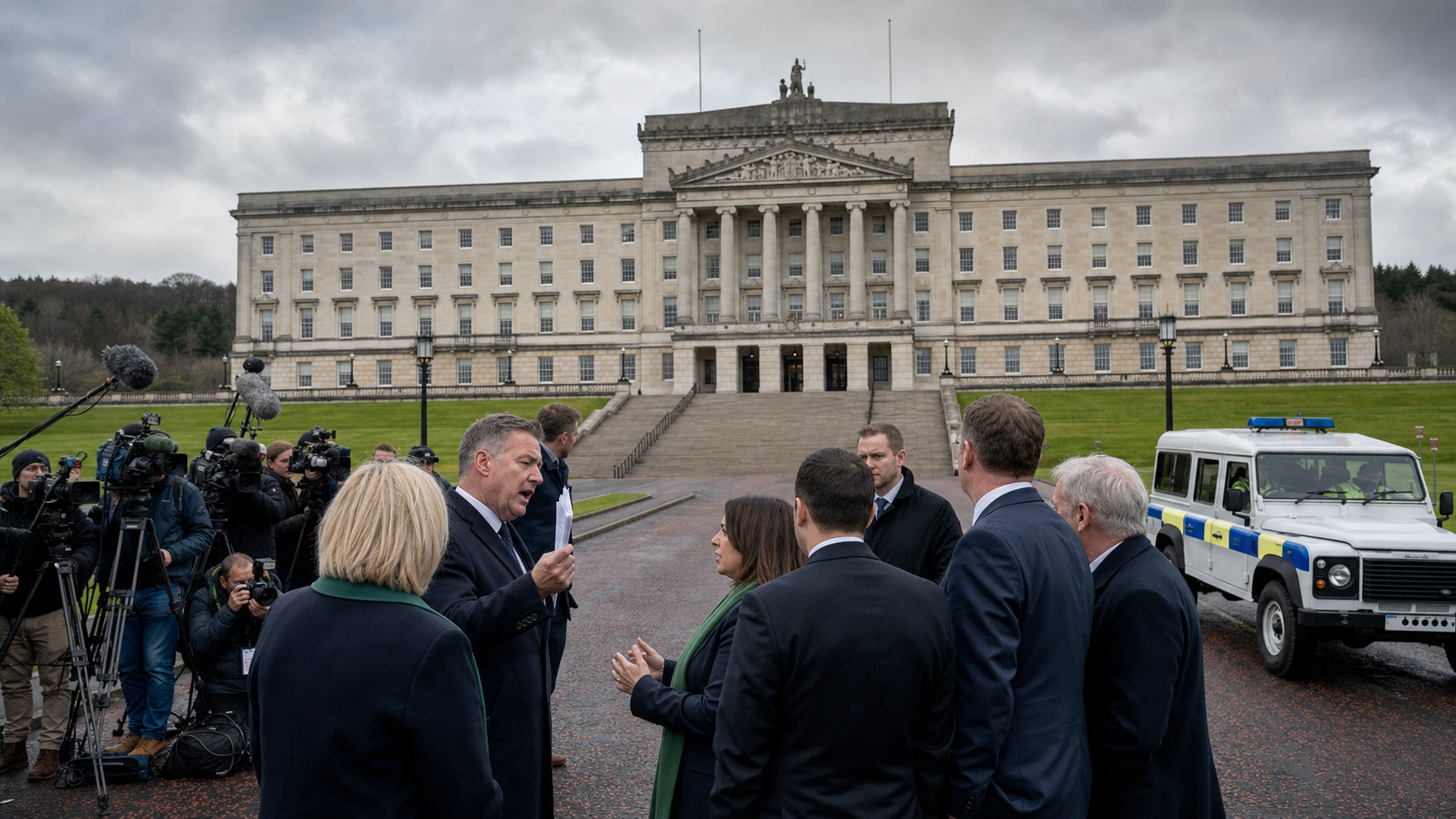
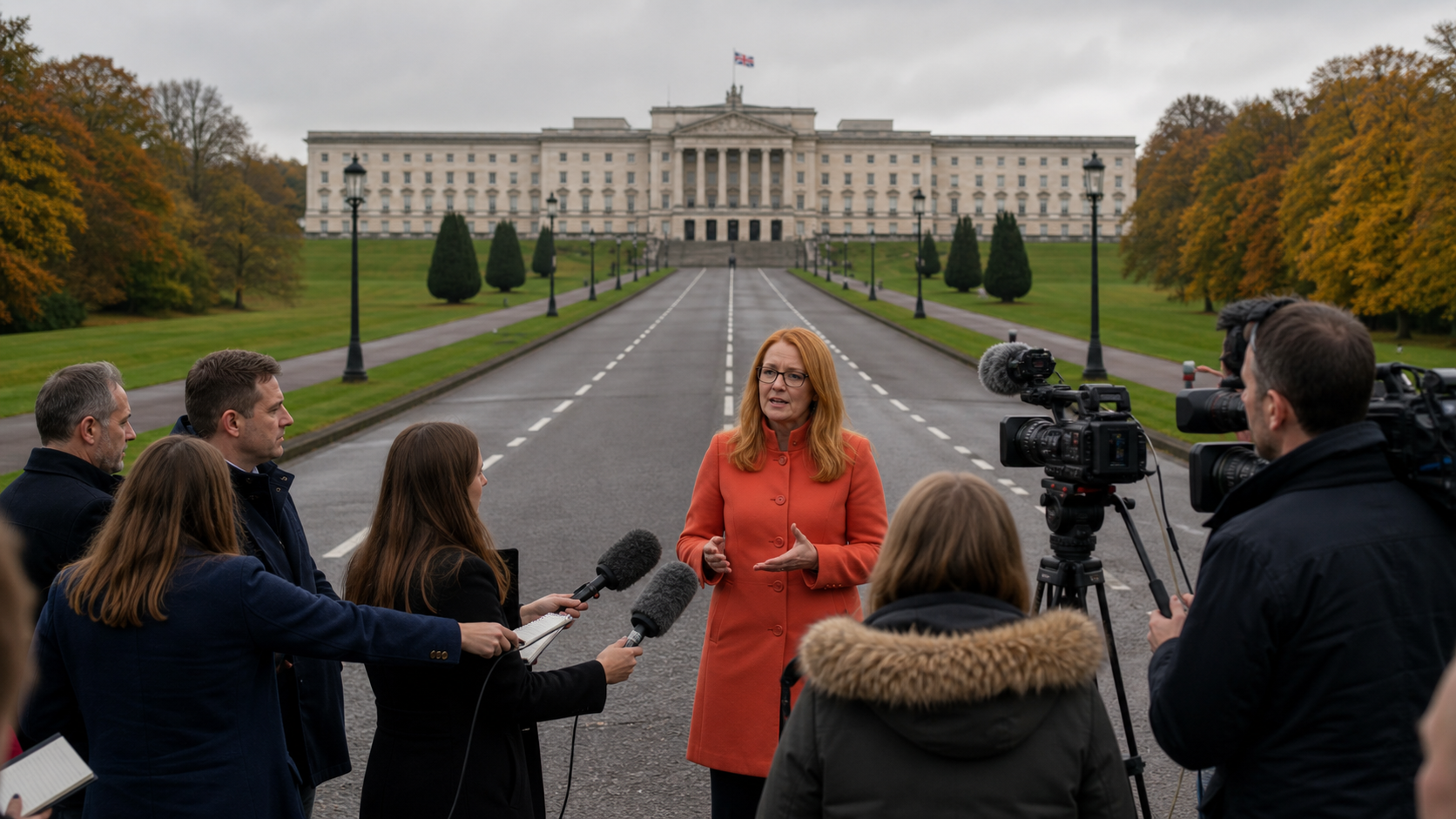
The Alliance Party has insisted that institutional reform at Stormont must be pursued in parallel with any financial settlement between the Northern Ireland Executive and the UK government, as negotiations intensify ahead of the UK's own budget on 28 October — with Alliance leader Naomi Long arguing that financial stability and structural reform cannot be separated if the cycle of political paralysis that has repeatedly brought the Executive to its knees is to be broken once and for all.
Background
The Northern Ireland Executive's budget crisis has been building for months, driven by a combination of chronic underfunding, inflationary pressures on public sector pay and procurement, and the structural inefficiencies of a devolved administration that has been periodically paralysed by political disagreement. The current round of negotiations with the UK government has seen the Treasury's offer increase from an initial £1.1 billion package — rejected by Executive parties as wholly inadequate — to £1.5 billion over three years, with further movement expected before the UK budget on 28 October.
The Alliance Party, which holds the balance of power at Stormont and has been one of the most consistent advocates for institutional reform, has used the budget negotiations to press its longstanding argument that financial stability and structural change must go hand in hand. The party's position is that the current power-sharing arrangements — which require cross-community consensus on virtually every significant decision and which have been used by individual parties to collapse the institutions when it suits their political interests — are fundamentally incompatible with effective government.
Alliance has been particularly critical of the petition of concern mechanism, which allows a bloc of MLAs to block legislation that would otherwise command a majority, and of the d'Hondt system for allocating ministerial portfolios, which it argues creates incentives for parties to prioritise their own departmental interests over the collective good of the Executive. The party has called for reforms that would make the institutions more resilient to political shocks and more capable of delivering effective government on a sustained basis.
Key Developments
Naomi Long's intervention in the budget negotiations has been characteristically direct. Speaking at a party event in Belfast, she argued that the UK government's willingness to provide additional funding to Northern Ireland should be conditional on the Executive's commitment to institutional reform — not as a punitive measure, but as a recognition that financial investment in a dysfunctional system will not deliver the outcomes that the people of Northern Ireland deserve.
"We cannot keep going around the same cycle," Long said. "The institutions collapse, we lose years of progress, we eventually get them back up and running, and then the same dynamics that caused the collapse reassert themselves. Financial stability is necessary but not sufficient. We need structural change that makes the institutions more resilient and more effective."
The DUP and Sinn Féin have both pushed back against the Alliance position, arguing that institutional reform is a separate issue from the budget negotiations and that linking the two risks delaying a financial settlement that is urgently needed. Finance Minister John O'Dowd has indicated that he wants to reach a budget agreement as quickly as possible and has expressed frustration with what he characterises as attempts to use the negotiations as a vehicle for a broader political agenda.
Why It Matters
The Alliance Party's position on institutional reform reflects a broader frustration with the power-sharing model that has been building across Northern Ireland's political centre ground for several years. The repeated collapses of the Executive — most recently in 2022-24, when the DUP withdrew from the institutions over the Northern Ireland Protocol — have imposed enormous costs on public services and on the people who depend on them, and have reinforced a perception that the institutions are inherently unstable.
The 2027 Assembly election, which is now less than two years away, provides a political context for the reform debate. Alliance has been consistently polling as the third-largest party in Northern Ireland, and its ability to present itself as the party of effective, non-sectarian government is central to its electoral strategy. The budget negotiations provide an opportunity to demonstrate that commitment in practice.
For the UK government, the Alliance position creates a dilemma. Conditioning financial support on institutional reform would be seen by the DUP and Sinn Féin as an unacceptable interference in Northern Ireland's internal political arrangements, and could destabilise the negotiations at a critical moment. But ignoring the reform agenda entirely risks perpetuating the cycle of instability that has made Northern Ireland such a difficult and expensive governance challenge.
Local Impact
The budget impasse has real and immediate consequences for communities across Northern Ireland. Health waiting lists continue to grow, school buildings remain in disrepair, and road maintenance budgets have been cut to the point where some rural roads are effectively impassable. In east Belfast, where Alliance has its strongest electoral base, constituents have been among the most vocal in demanding that the party use its leverage in the negotiations to secure both financial relief and structural change.
In west Belfast and Derry, where Sinn Féin is dominant, the priority is financial — getting more money into health and education as quickly as possible. In the DUP heartlands of north Antrim and east Down, the concern is that any institutional reform will come at the expense of the cross-community protections that unionists regard as essential to their participation in the power-sharing arrangements.
What's Next
The UK government's budget on 28 October is the key deadline for the Stormont negotiations, with both sides indicating a desire to reach an agreement before that date. The Alliance Party has indicated that it will continue to press its reform agenda in the negotiations, and has not ruled out withholding support for a budget deal that does not include a commitment to institutional change. The Stormont Executive is expected to meet again this week, with the budget the primary item on the agenda. A further round of talks with the UK Treasury is scheduled for later this month.