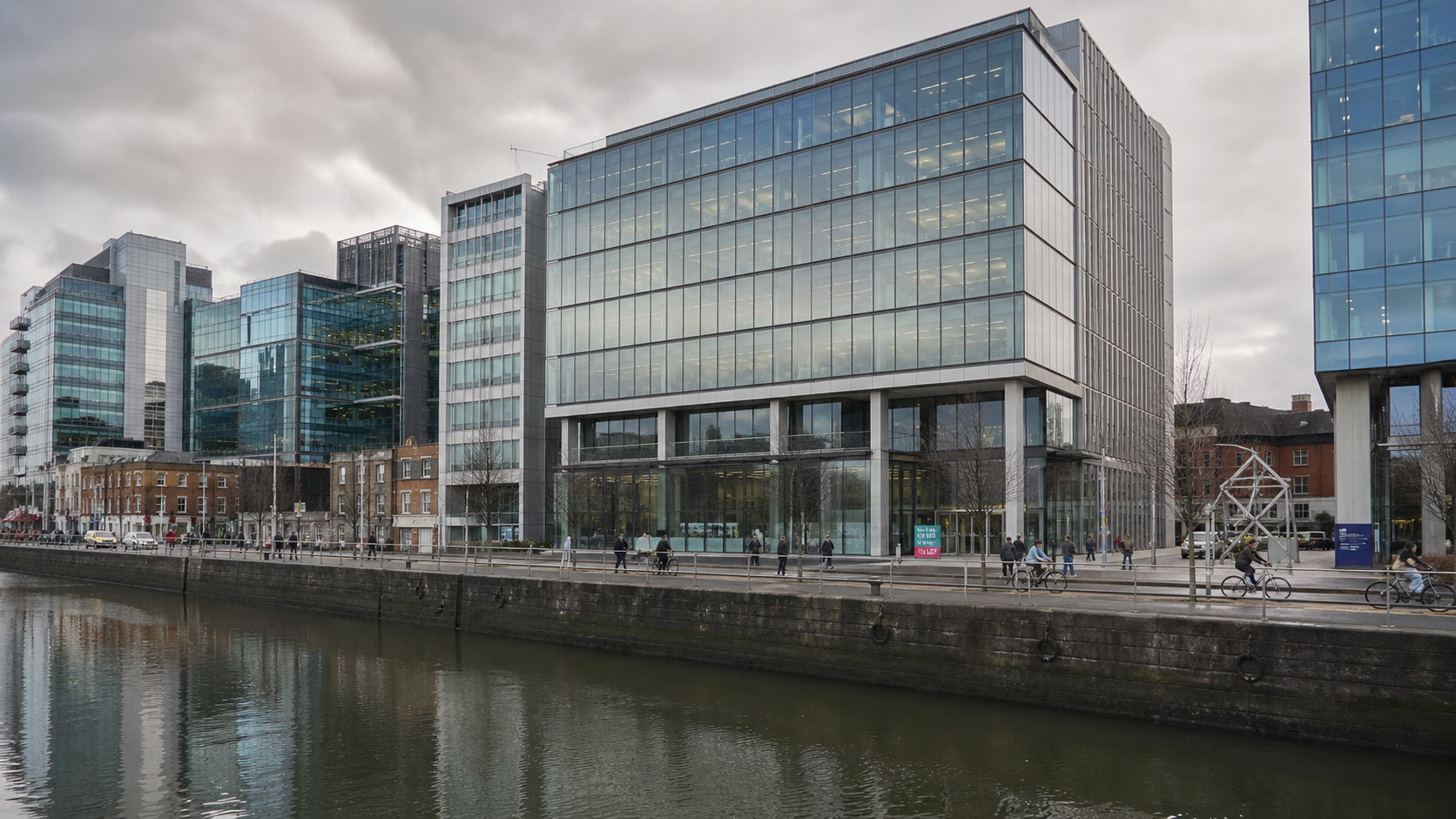
Workday Seeks to Sublet Fifth of New Dublin 2 Office as Hybrid Working Reshapes City Demand
US enterprise software company Workday is seeking to sublet approximately a fifth of the space in its newly occupied Dublin 2 office block, in a move that reflects the broader recalibration of office space requirements by major technology companies as hybrid working patterns become a permanent feature of the Irish corporate landscape — adding to growing concerns about vacancy rates in Dublin's commercial property market and the long-term implications for the city's office economy.
Background
Workday, which provides cloud-based human resources and financial management software to large organisations, has been one of the most significant technology employers in Ireland since establishing its European headquarters in Dublin in 2012. The company employs several thousand people in Ireland and has been a major presence in the Dublin office market, occupying significant space in the city centre and in suburban business parks.
The decision to seek a subtenant for a portion of its new Dublin 2 office — a building that was purpose-built for Workday and that the company only recently occupied — reflects a pattern that has become increasingly common among major technology employers in Dublin. The shift to hybrid working, accelerated by the Covid-19 pandemic and now firmly embedded in the culture of the technology sector, has reduced the amount of office space that companies need on a day-to-day basis, even as their headcounts have remained stable or grown.
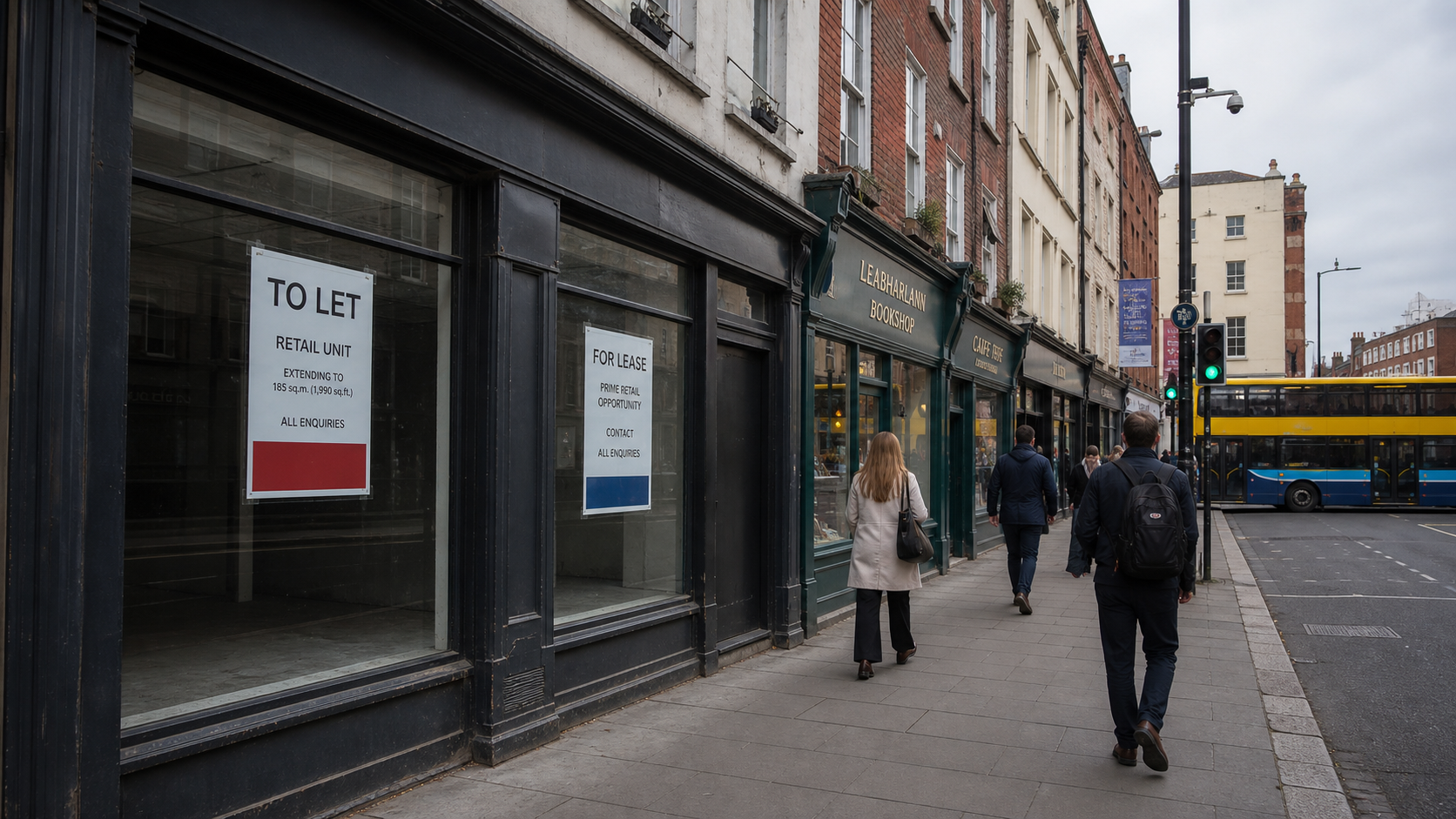
Dublin's commercial property market has been grappling with the consequences of this shift for several years. Vacancy rates in the city centre have risen significantly from their pre-pandemic lows, and a number of high-profile office developments that were planned or under construction before the pandemic have struggled to find tenants.
Key Developments
Workday has appointed a commercial property agent to market the surplus space in its Dublin 2 office, with the sublet expected to be offered on a flexible basis to reflect the changing nature of office demand. The company confirmed that the decision to sublet a portion of the space was driven by its assessment of its actual space requirements under its current hybrid working policy, which allows employees to work from home for a significant proportion of their working week.
The Irish Times reported on Friday that the Workday sublet is part of a broader trend of technology companies reassessing their Dublin office footprints, with several other major employers also understood to be exploring options for reducing or restructuring their space commitments. The trend is creating a "shadow market" of sublettable office space that is adding to the supply available to potential tenants and putting downward pressure on rents in some parts of the city.
Property analysts noted that the situation is more nuanced than a simple oversupply story. Demand for high-quality, well-located office space with strong sustainability credentials remains robust, and the best buildings in the best locations continue to attract tenants at competitive rents. The challenge is concentrated in older, less well-specified buildings and in locations that are less accessible by public transport.
Why It Matters
The health of Dublin's commercial property market matters for reasons that extend well beyond the interests of property developers and investors. Office development generates significant tax revenue for the state, provides employment in construction and property services, and supports the broader urban economy through the spending of office workers in city centre restaurants, shops, and services. A sustained increase in vacancy rates would have consequences for all of these.
The Workday sublet also raises questions about the long-term trajectory of technology sector employment in Dublin. Ireland has built its economic model in significant part on attracting major US technology companies to establish their European headquarters here, and the continued presence and growth of these companies is central to the government's economic strategy. If hybrid working is permanently reducing the office footprint of these companies, the implications for commercial property values, tax revenues, and urban planning need to be carefully considered.
Local Impact
In Dublin 2 — the area around Merrion Square, Fitzwilliam Square, and the Grand Canal Dock — the Workday sublet is one of several developments that are reshaping the commercial property landscape. The area has been one of the most sought-after office locations in Dublin for decades, and the emergence of sublettable space from major technology tenants is a new dynamic that property managers and city planners are having to adapt to. Dublin City Council has been working on a commercial property strategy that seeks to address vacancy rates while also planning for the long-term evolution of the city's office market.
What's Next
The marketing of the Workday sublet space is expected to begin in the coming weeks, with the company hoping to secure a subtenant before the end of 2026. The broader question of how Dublin's commercial property market adapts to the permanent shift in working patterns is one that will occupy property developers, investors, city planners, and policymakers for years to come. The government's review of commercial property tax policy, expected in the autumn, may include measures designed to encourage the repurposing of vacant office space for residential or mixed-use development.