Wildfire Smoke Health Warning Issued Across Munster and Leinster as Respiratory Risk Rises
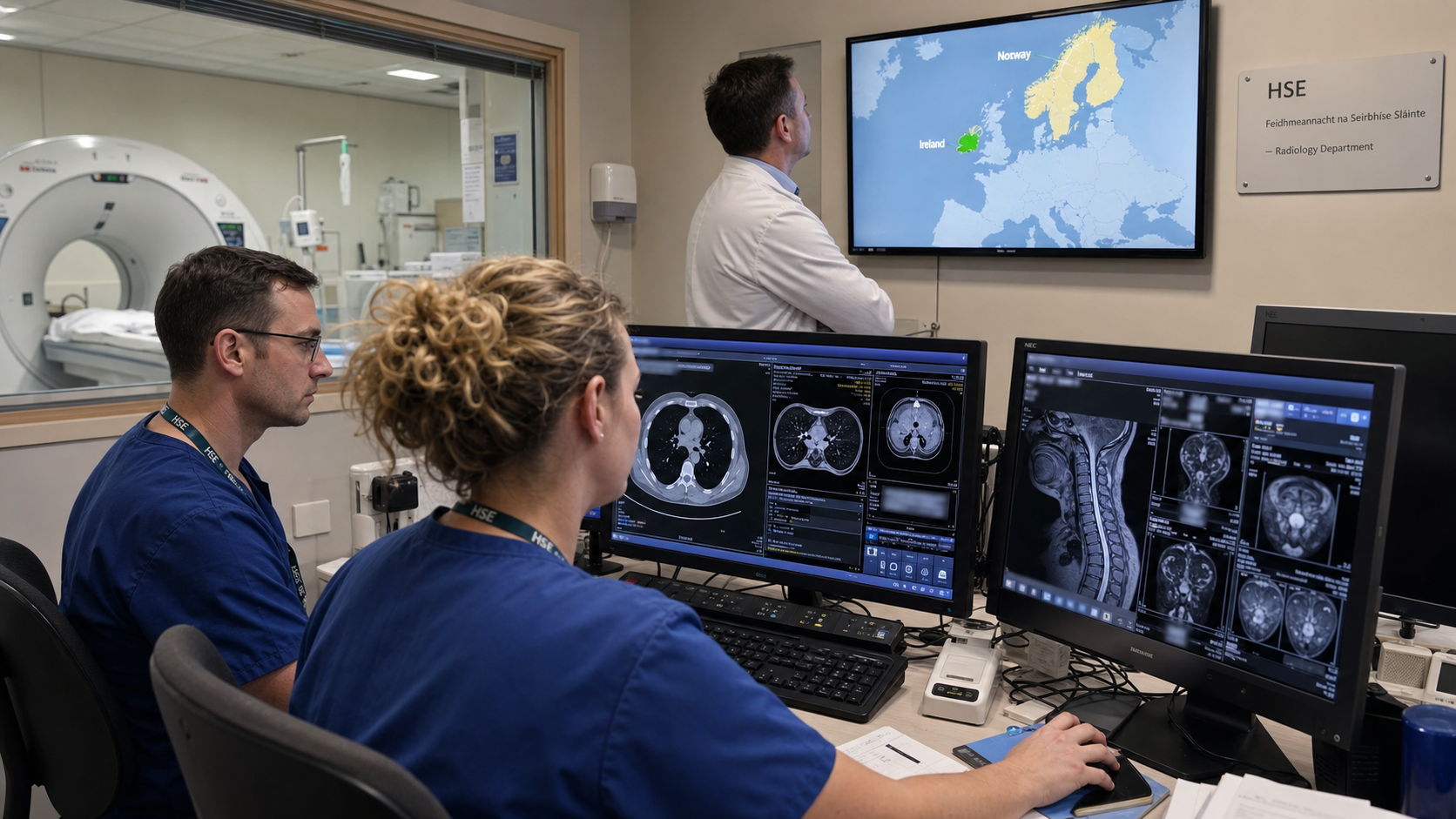
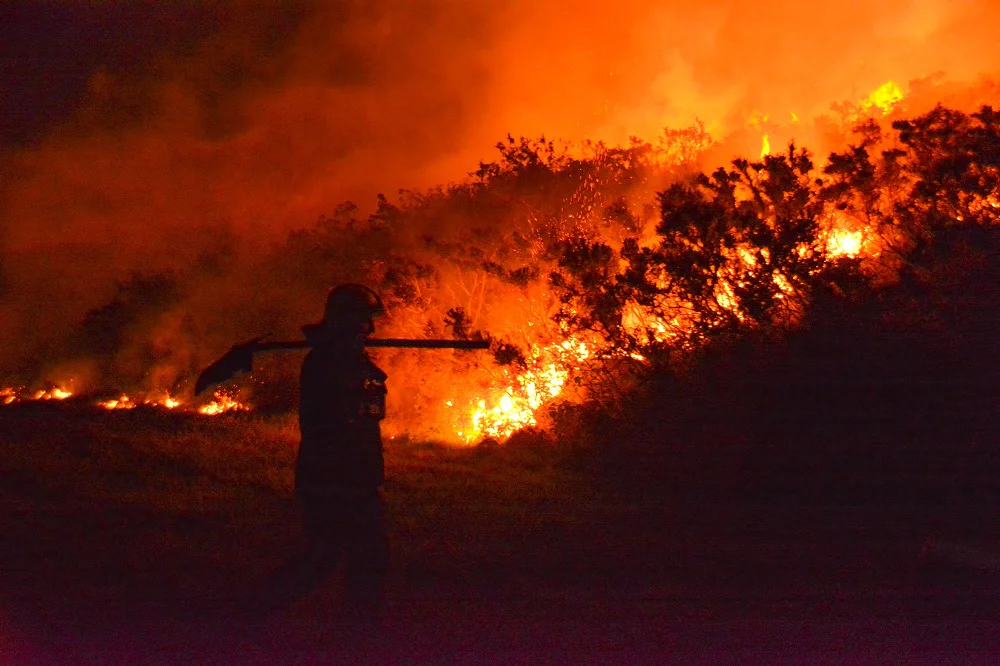
The HSE and local health authorities have issued health warnings across Munster and Leinster as smoke from wildfires in Tipperary, Wicklow, and Waterford poses a significant respiratory risk to vulnerable populations. People with asthma, chronic obstructive pulmonary disease, heart conditions, and other respiratory illnesses have been advised to keep doors and windows closed, to avoid outdoor activity in affected areas, and to seek medical advice if they experience symptoms including shortness of breath, chest tightness, or worsening of existing conditions.
Background
Wildfire smoke is a complex mixture of gases and fine particles produced by burning vegetation, and its health effects are well documented. The fine particles in smoke — known as PM2.5 — are small enough to penetrate deep into the lungs and enter the bloodstream, where they can cause or exacerbate a range of health conditions including asthma, chronic obstructive pulmonary disease, heart disease, and stroke. Children, the elderly, pregnant women, and people with pre-existing respiratory or cardiovascular conditions are particularly vulnerable to the health effects of smoke exposure.
Ireland's health authorities have relatively limited experience of managing the public health consequences of large-scale wildfires, reflecting the country's historically wet climate and the rarity of fires of the scale that have been seen in the summer of 2026. The current situation — with major fires burning simultaneously in Tipperary, Wicklow, and Waterford — is unprecedented in recent Irish history, and the health authorities have had to adapt their public health messaging and response capacity to meet a challenge that they have not previously faced at this scale.
The HSE's public health teams in the South and South East regions, which cover the areas most directly affected by the fires, have been working closely with the Environmental Protection Agency, the National Ambulance Service, and local emergency services to monitor the health impact of the smoke and to provide guidance to the public. The EPA's air quality monitoring network has been providing real-time data on PM2.5 levels across the affected areas, and that data has been used to inform the public health warnings that have been issued.
Key Developments
The HSE has issued specific guidance for people living in areas affected by wildfire smoke, advising them to keep doors and windows closed to minimise smoke infiltration into their homes, to avoid outdoor exercise and other strenuous activity, and to use air conditioning or fans with recirculated air rather than opening windows for ventilation. People with asthma have been advised to keep their reliever inhalers close at hand and to follow their asthma action plans, and to seek medical advice if their symptoms worsen.
The National Ambulance Service has reported an increase in calls related to respiratory symptoms in the areas affected by the fires, and a number of people have been treated at emergency departments in Clonmel, Waterford, and Wicklow for smoke-related respiratory complaints. The HSE has emphasised that people who experience severe symptoms — including severe shortness of breath, chest pain, or loss of consciousness — should call 999 immediately.
The EPA's air quality monitoring data has shown elevated PM2.5 levels across a wide area of Munster and Leinster, with the highest concentrations recorded in the areas immediately downwind of the fires. The data has been used to issue targeted warnings to specific communities, and the EPA has been updating its air quality index in real time to allow members of the public to check the air quality in their area.
The Department of Health has been in contact with the HSE and the EPA to monitor the situation and to ensure that the public health response is adequate. The Minister for Health has indicated that additional resources will be made available to the health service if the situation deteriorates further, and that the government is closely monitoring the impact of the fires on public health.
Why It Matters
The wildfire smoke health warning matters because it illustrates the direct public health consequences of climate change in Ireland. The fires that are generating the smoke are themselves a consequence of the exceptional heat and drought that has characterised the summer of 2026, and the health impact of the smoke is a reminder that climate change is not an abstract future threat — it is a present reality with immediate consequences for the health and wellbeing of Irish people. The HSE's response to the smoke emergency has been broadly effective, but it has also exposed gaps in Ireland's preparedness for the kind of climate-related health emergencies that are likely to become more frequent as the climate continues to change. A national wildfire health response plan, developed in advance of future fire seasons, would help to ensure that the health system is better prepared for the challenges ahead.
Local Impact
The health impact of the wildfire smoke is being felt most acutely in the communities closest to the fires — in the towns and villages around Slievenamon in Tipperary, in the Wicklow Mountains area, and in the Comeragh Mountains region of Waterford. In these communities, the smoke has been a constant presence for days, and the health warnings have significantly disrupted daily life, with outdoor events cancelled, schools advising parents to keep children indoors, and businesses in the tourism sector reporting a significant drop in visitor numbers. The HSE's community health teams in the South and South East regions have been providing additional support to vulnerable individuals in the affected areas, including home visits to elderly people and people with chronic health conditions who may be at particular risk from smoke exposure.
What's Next
The HSE has indicated that the health warnings will remain in place for as long as the fires continue to generate significant smoke, and that the situation will be reviewed on a daily basis as the fires are brought under control. The EPA will continue to provide real-time air quality data through its website and app, and the HSE will update its public health guidance as the situation evolves. A review of the public health response to the wildfire smoke emergency is expected to be conducted by the Department of Health in the autumn, with a view to developing a more comprehensive national wildfire health response plan for future fire seasons.