Wild Atlantic Way Tourism Boom Generates €3.2 Billion as International Visitors Flock to West
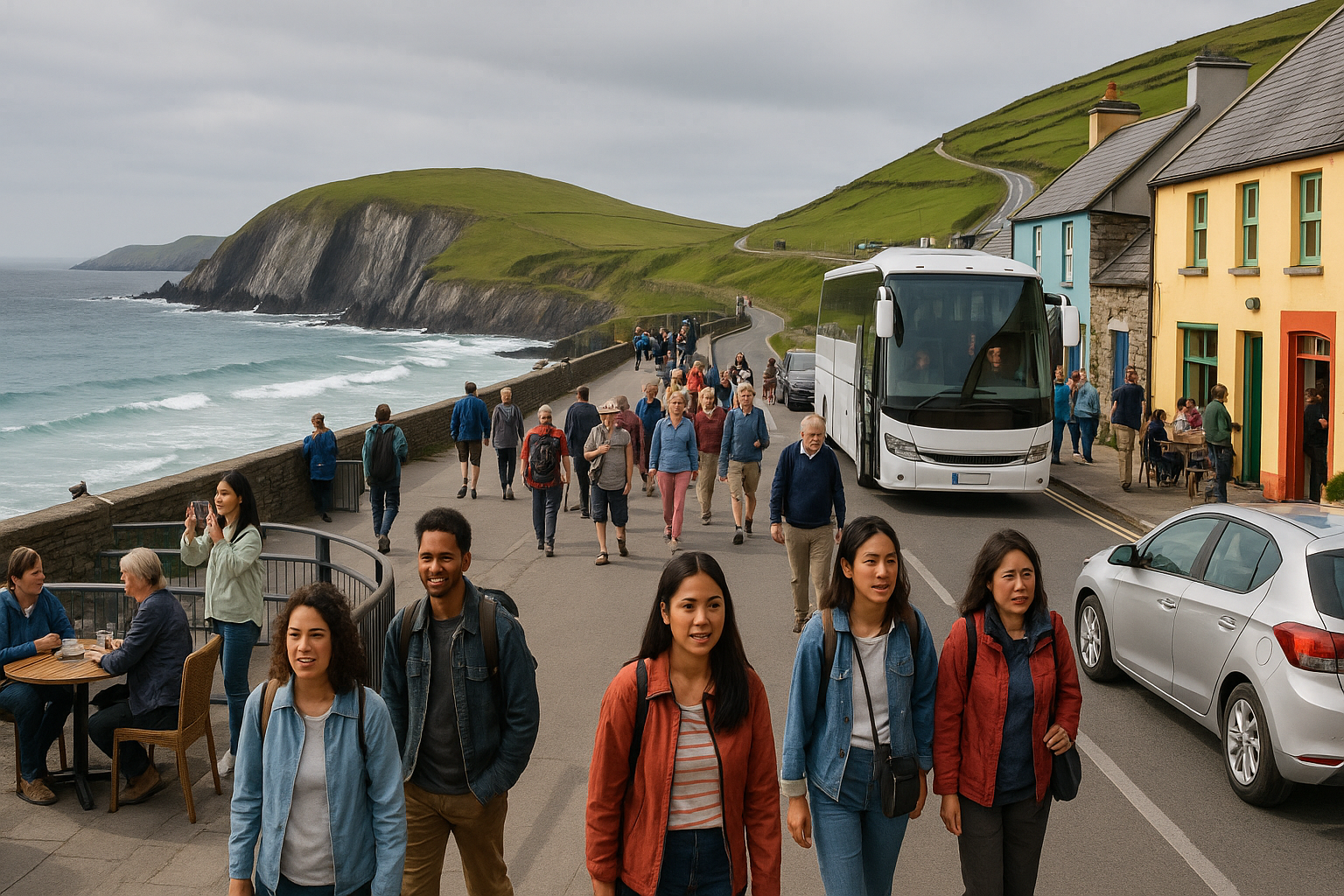
Ireland's Wild Atlantic Way has generated a record €3.2 billion in tourism revenue over the past twelve months, with visitor numbers surging by 28% as international travellers flock to the 2,600-kilometre coastal route — and a new cross-border collaboration is linking the iconic route with Belfast and the Causeway Coast to create a compelling all-island visitor experience.
The record-breaking figures confirm the Wild Atlantic Way's status as one of Europe's premier touring routes, delivering transformative economic benefits to communities from Cork to Donegal. The boom is the result of sustained strategic investment by Fáilte Ireland and Tourism Ireland, combined with a wave of new and upgraded attractions that are giving visitors fresh reasons to explore Ireland's rugged western coastline.
Background
The Wild Atlantic Way, launched in 2014, stretches from Kinsale in County Cork to the Inishowen Peninsula in County Donegal — the longest defined coastal route in the world. It was conceived as a means of driving tourism revenue to the west of Ireland, a region of extraordinary natural beauty that had historically struggled to attract the same visitor numbers as Dublin and the east coast. The strategy has proven spectacularly successful. In 2023, the route generated €3 billion in annual tourism revenue, supporting an estimated 121,000 jobs across the region. The latest figures, showing a further surge to €3.2 billion with visitor numbers up 28%, confirm that the route's growth trajectory is accelerating rather than plateauing.
Fáilte Ireland's "Wild Atlantic Way Regional Tourism Development Strategy 2023-2027" outlines an ambitious vision for continued growth, targeting visitors who stay longer, spend more, and travel during off-peak seasons — ensuring the economic benefits are felt year-round rather than concentrated in the summer months. The strategy is underpinned by significant investment in new attractions, digital marketing, and support for small and medium-sized tourism businesses along the route.
Key Developments
A wave of investment in new and upgraded attractions is providing fresh reasons to visit. In Sligo, the newly opened National Surf Centre in Strandhill has reinforced the county's position as a wellness destination. Mayo has seen the opening of Ireland's largest net park at Westport Adventure Park. Galway now offers scenic flights to the Aran Islands, electric bike tours, and live music cruises. In Cork and Kerry, a surge in food tourism — including the new Portmagee Whiskey experience and the "A Bite of Beara Food Tour" — is attracting a new generation of culinary travellers.
A pivotal development in 2026 has been the formal integration of the Wild Atlantic Way with Northern Ireland's Causeway Coastal Route. The "Coast to Coast" investment scheme, backed by the government's Shared Island Fund, allocated nearly €3 million to 13 tourism projects specifically designed to forge closer links between the two routes. This funding is aimed at enhancing visitor attractions and encouraging tourists to traverse both regions seamlessly, creating extended all-island itineraries that begin in Belfast and journey south along the Atlantic coast.
Tourism Ireland is executing a bold marketing campaign for 2026 aimed at shattering visitor records by targeting established markets in North America and Europe as well as emerging markets in Asia, with collaborative campaigns involving airlines and tour operators showcasing the rugged beauty of the west coast across global media platforms.
Why It Matters
The Wild Atlantic Way's tourism boom is more than an economic success story — it is a model for how strategic investment in natural and cultural assets can transform regional economies. The route supports 121,000 jobs in communities that have historically faced significant economic challenges, providing livelihoods in areas where alternative employment opportunities are limited. The 28% surge in visitor numbers demonstrates that Ireland's west coast has genuine global appeal, capable of competing with the world's most celebrated coastal destinations. For the Irish economy as a whole, tourism revenue of this scale makes a meaningful contribution to the national accounts, supporting the tax base that funds public services across the island. The cross-border dimension adds a further layer of significance, demonstrating that north-south economic cooperation can deliver tangible benefits for communities on both sides of the border.
Local Impact
For Belfast and Northern Ireland, the Wild Atlantic Way boom presents a significant opportunity. The "Coast to Coast" collaboration is already encouraging international visitors arriving into Belfast's airports to extend their itineraries southward, taking in Titanic Belfast and the Giant's Causeway before crossing into Donegal to begin the journey along the Atlantic coast. This cross-border visitor flow generates economic benefits for Belfast's hospitality sector, its hotels, restaurants, and cultural attractions. Tourism Northern Ireland has reported growing interest from visitors who combine the Causeway Coastal Route with the Wild Atlantic Way, creating extended stays that deliver greater per-visitor spending. For communities along the Donegal border, the integration with the Wild Atlantic Way's northern section is particularly significant, driving footfall to an area with considerable untapped tourism potential.
What's Next
Fáilte Ireland is committed to ensuring the boom is managed sustainably. Fifteen Destination and Experience Development Plans are in place along the route, bringing together local communities and tourism businesses to ensure growth is managed responsibly and the unique wildness and cultural authenticity of the Wild Atlantic Way are protected for future generations. As visitor numbers continue to climb, the challenge will be to balance economic ambition with environmental stewardship — ensuring that the natural landscapes that make the route so compelling remain unspoiled for the visitors of tomorrow.
Sources: Fáilte Ireland — Wild Atlantic Way, BBC News — Wild Atlantic Way and Causeway Coastal Route links welcomed