Health 3 min read

Wes Streeting Vows to End 'Medical Misogyny' With Sweeping NHS Women's Health Strategy

Health Secretary Wes Streeting has launched a renewed Women's Health Strategy for England, pledging to end 'medical misogyny' in the NHS with mandatory pain relief for gynaecological procedures, faster endometriosis diagnosis, and a £1 million menstrual health education programme. The strategy follows a damning parliamentary report finding women's health had been neglected in NHS reforms.

Titanic NewsWednesday, 15 April 20262 views
Wes Streeting Vows to End 'Medical Misogyny' With Sweeping NHS Women's Health Strategy

Wes Streeting Vows to End 'Medical Misogyny' With Sweeping NHS Women's Health Strategy

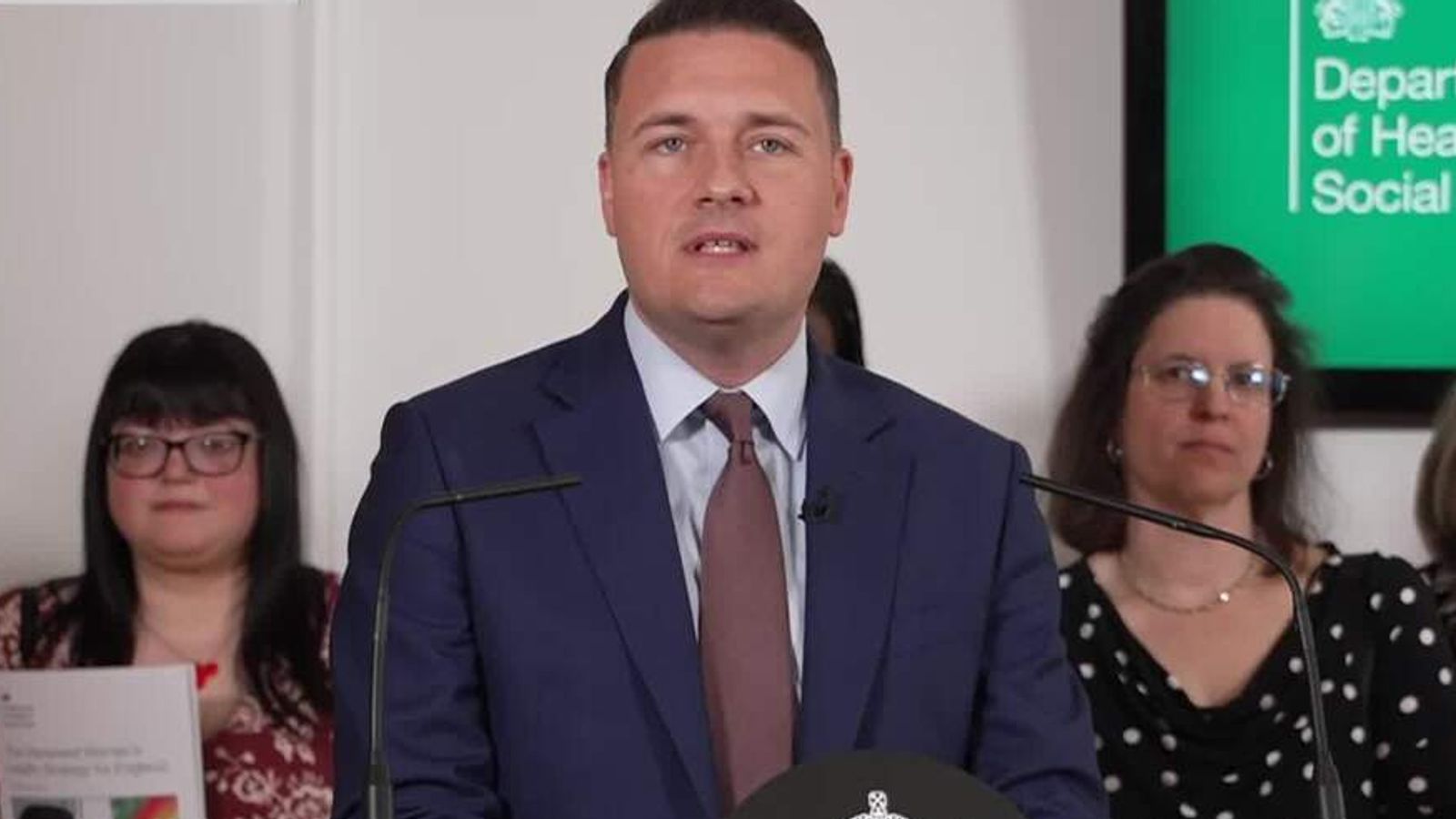
Health Secretary Wes Streeting has unveiled a renewed Women's Health Strategy for England, pledging to tackle what he called an "appalling culture of medical misogyny" within the NHS and ensure women are no longer "ignored, gaslit, or humiliated" when seeking care.

The strategy, published on 15 April 2026, introduces a series of transformative measures designed to overhaul how the NHS treats women, from mandatory pain relief for invasive gynaecological procedures to a new trial linking provider funding directly to patient feedback.

Key Measures

Under the renewed strategy, a new standard of care will require that women are offered appropriate pain relief for procedures such as coil fittings and hysteroscopies — procedures that have long been associated with inadequate pain management. A single referral point will also be established to direct women to the correct specialist first time, reducing the frustrating cycle of repeat appointments that many patients currently endure.

The strategy also targets the notoriously long diagnostic waits for conditions such as endometriosis, which can currently take nearly a decade to identify. A £1 million menstrual health education programme will be launched to help young girls recognise the difference between healthy and unhealthy periods, while a £1.5 million Femtech challenge fund will accelerate innovation in women's healthcare.

Background

The relaunch follows a damning report from the Women and Equalities Committee in March 2026, which found that women's health had not been "sufficiently prioritised" in NHS reforms. Over 565,000 women were on gynaecological waiting lists in England as of January 2026, with only 56% being seen within the 18-week target, according to the Royal College of Obstetricians and Gynaecologists.

Dr Sue Mann, NHS England's women's health director, said the strategy would "build significantly on existing efforts to ensure women are heard and receive specialist care." Emma Cox, Chief Executive of Endometriosis UK, welcomed the announcement but stressed that "decisive action" was now crucial to translate commitments into real improvements for patients.

Why It Matters

The strategy represents one of the most significant commitments to women's healthcare in England in years. It acknowledges systemic failures that have left millions of women undertreated and underserved, and sets out a framework for accountability through patient feedback and transparent progress reporting.

What's Next

The government has already reduced gynaecology waiting lists by over 30,000 since June 2024. Further details on implementation timelines and funding allocations are expected in the coming weeks, with the Women's Voices Partnership to be established to ensure ongoing input from organisations representing women across England. Sources: The Guardian, Gov.uk

What's Your Take?

NHSWomen's HealthWes StreetingMedical MisogynyHealth Policy

Related Stories

NHS Race Equality Data Reveals White Applicants Now 1.77 Times More Likely to Be Hired Than Ethnic Minority Counterparts
Health

NHS Race Equality Data Reveals White Applicants Now 1.77 Times More Likely to Be Hired Than Ethnic Minority Counterparts

New NHS Workforce Race Equality Standard data shows white applicants are now 1.77 times more likely to be hired than ethnic minority counterparts — the worst level of equity in a decade — with the disparity worsening at 80% of NHS trusts. Despite ethnic minority staff making up 28.6% of the NHS workforce, representation remains concentrated in lower pay bands with significant barriers to senior roles.

Titanic News
3 min read15 Apr 2026
HSE to Extend Bowel Cancer Screening to 50-54 Age Group in Landmark Health Move
Health

HSE to Extend Bowel Cancer Screening to 50-54 Age Group in Landmark Health Move

Ireland's HSE has announced plans to extend its BowelScreen programme to the 50-54 age group on a phased basis, following a HIQA recommendation confirming the clinical and cost-effectiveness benefits. The expansion comes as bowel cancer rates rise among younger adults and will increase the eligible population by 27%.

Titanic News
2 min read15 Apr 2026
Ireland to Extend BowelScreen Cancer Checks to People Aged 50 to 54
Health

Ireland to Extend BowelScreen Cancer Checks to People Aged 50 to 54

The Irish government has announced that its national bowel cancer screening programme, BowelScreen, will be extended to include people aged 50 to 54, responding to rising bowel cancer rates among younger demographics. The programme currently offers free at-home tests to those aged 60 to 69, and the expansion aims to improve early detection and save lives.

Titanic News
3 min read15 Apr 2026
IMO Demands HSE Action on Junior Doctors' Illegal Hours at Annual Conference
Health

IMO Demands HSE Action on Junior Doctors' Illegal Hours at Annual Conference

The Irish Medical Organisation's AGM in Killarney on April 14th heard IMO President Professor Matthew Sadlier demand the HSE immediately address the illegal 24-hour shifts being worked by Non-Consultant Hospital Doctors, warning the situation is 'unsafe for patients and doctors'. The IMO threatened to support industrial action if the HSE fails to engage with a 2023 agreement on working hours.

Titanic News
3 min read15 Apr 2026