Ireland to Extend BowelScreen Cancer Checks to People Aged 50 to 54
The Irish government has announced a significant expansion of its national bowel cancer screening programme, BowelScreen, to include people aged 50 to 54 — a move driven by a noticeable rise in bowel cancer rates among younger age groups and backed by a Health Technology Assessment from HIQA confirming the expansion is both clinically and cost-effective.
Background
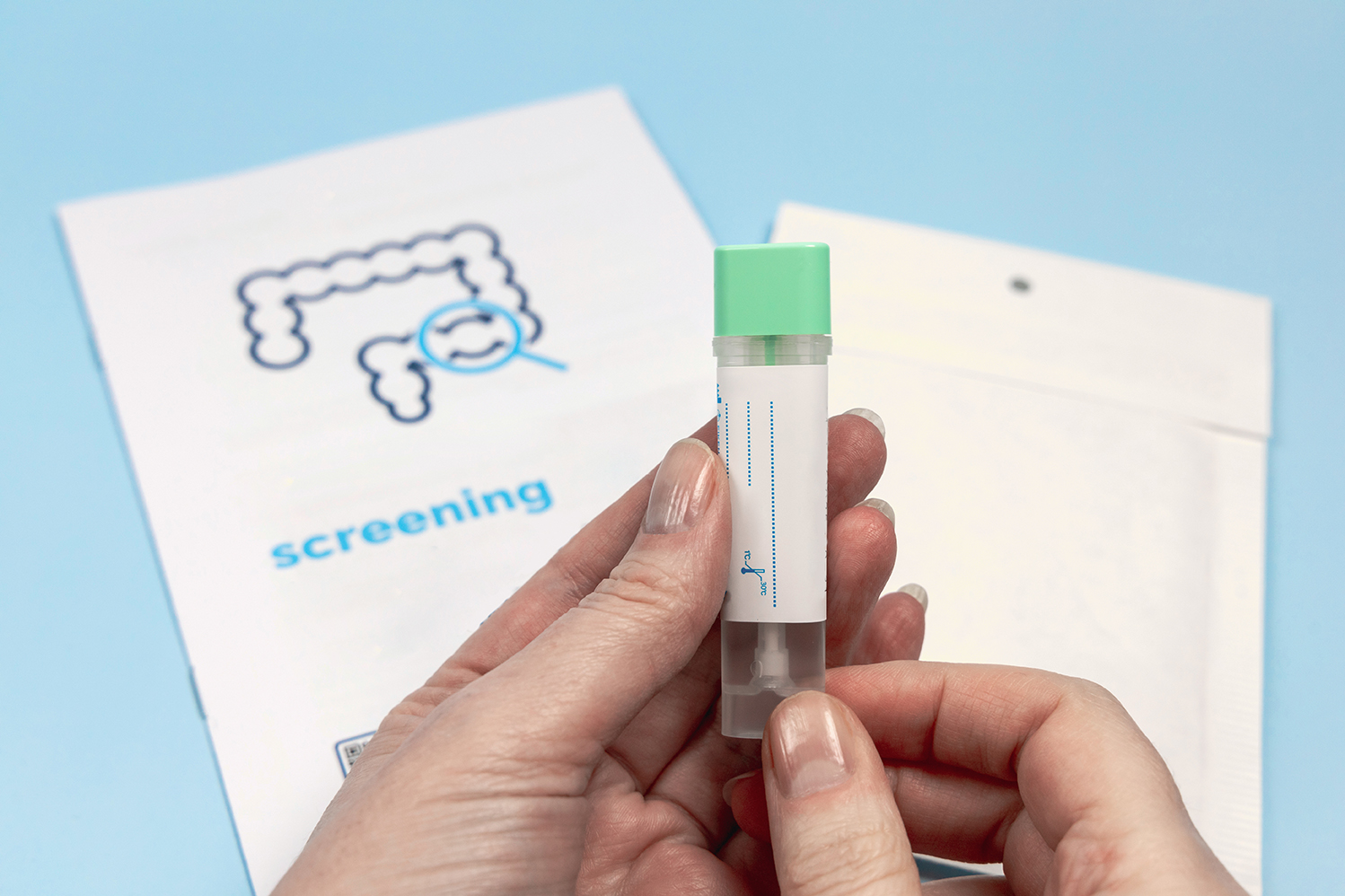
BowelScreen is Ireland's national bowel cancer screening programme, run by the National Screening Service. The programme uses a simple at-home test called a faecal immunochemical test (FIT), which checks for traces of blood in the stool — an early indicator of bowel cancer or pre-cancerous polyps. Those who test positive are referred for a colonoscopy for further investigation. The programme currently offers free at-home tests to men and women aged 60 to 69 every two years, and has been credited with detecting cancers at earlier, more treatable stages and reducing mortality from the disease.
Bowel cancer, also known as colorectal cancer, is the second most common cause of cancer death in Ireland. According to the Irish Cancer Society, approximately 2,500 people are diagnosed with the disease each year. While the risk increases with age, there is a worrying trend of rising incidence rates in younger people — a key factor in the decision to expand the programme. International evidence overwhelmingly supports the effectiveness of bowel cancer screening: studies have shown that programmes like BowelScreen can reduce the number of deaths from bowel cancer by up to 25%.
Key Developments
The announcement, made by Minister for Health Jennifer Carroll MacNeill TD, follows a recommendation from the National Screening Advisory Committee (NSAC) and is backed by a Health Technology Assessment from the Health Information and Quality Authority (HIQA). The expansion to include those aged 50 to 54 will significantly increase the number of people eligible for the potentially life-saving checks. Minister MacNeill stated: "Bowel cancer is a serious disease, but it is treatable, especially when caught early. By expanding BowelScreen to include younger age groups, we are making a crucial investment in the health of our population."
The Health Service Executive (HSE) and its National Screening Service (NSS) are responsible for implementing the expansion in a phased manner, to ensure the health service has the capacity to manage the increased demand for screening and follow-up colonoscopies. Fiona Murphy, Chief Executive of the NSS, welcomed the expansion: "We are committed to working with our partners in the health service to implement this expansion in a safe and effective way."
Why It Matters
Early detection through screening dramatically improves survival rates. When bowel cancer is caught at the earliest stage, more than 90% of patients survive for five years or more. However, if diagnosed at a late stage, the survival rate can be as low as 10%. Extending screening to those in their early 50s could prevent hundreds of deaths annually and, by detecting and removing pre-cancerous polyps, could prevent bowel cancer from developing in the first place. The expansion also reflects a broader shift in cancer prevention policy, recognising that the traditional age thresholds for screening may need to be revised in light of changing patterns of disease.
Local Impact
For people across Ireland and Northern Ireland, the expansion of BowelScreen represents a significant public health advance. While BowelScreen is an Irish government programme, the announcement will increase pressure on Northern Ireland's health authorities to consider similar expansions to the bowel cancer screening programme available to people in the North. Bowel cancer rates in Northern Ireland are among the highest in the UK, and early detection remains a critical challenge. Cancer charities on both sides of the border have welcomed the Irish government's decision and are calling for a coordinated, all-island approach to bowel cancer screening that would benefit communities throughout the island.
What's Next
The National Screening Service will now work to implement the expanded programme, including increasing capacity for colonoscopies and ensuring that the additional cohort of eligible people is informed and invited to participate. The phased rollout is expected to begin later in 2026, with full implementation to follow over the coming years. For the official government announcement, see the Department of Health press release on the BowelScreen expansion. For more on bowel cancer in Ireland, see the Irish Cancer Society's information on bowel cancer.