IMO Demands HSE Action on Junior Doctors' Illegal Hours at Annual Conference
The Irish Medical Organisation has issued a stark warning to the Health Service Executive at its annual general meeting in Killarney, demanding immediate action on the illegal working hours being endured by Non-Consultant Hospital Doctors and threatening to support industrial action if the HSE fails to engage — as a new survey reveals that 83% of NCHDs routinely work hours that contravene the Organisation of Working Time Act.
Background
The issue of junior doctor working conditions has been a persistent source of tension in the Irish health system. NCHDs — the doctors who work in hospitals while completing their specialist training — have long complained of excessive hours, inadequate supervision, and poor working conditions that affect both their wellbeing and patient safety. A 2022 agreement between the IMO and the HSE was supposed to address these concerns, but the IMO says it has not been fully implemented. An IMO survey revealed that a staggering 83% of NCHDs routinely work hours that contravene the Organisation of Working Time Act, and 77% feel pressured to work extra shifts. The failure to act has contributed to a recruitment and retention crisis, with many Irish-trained doctors emigrating to countries offering better working conditions and pay.
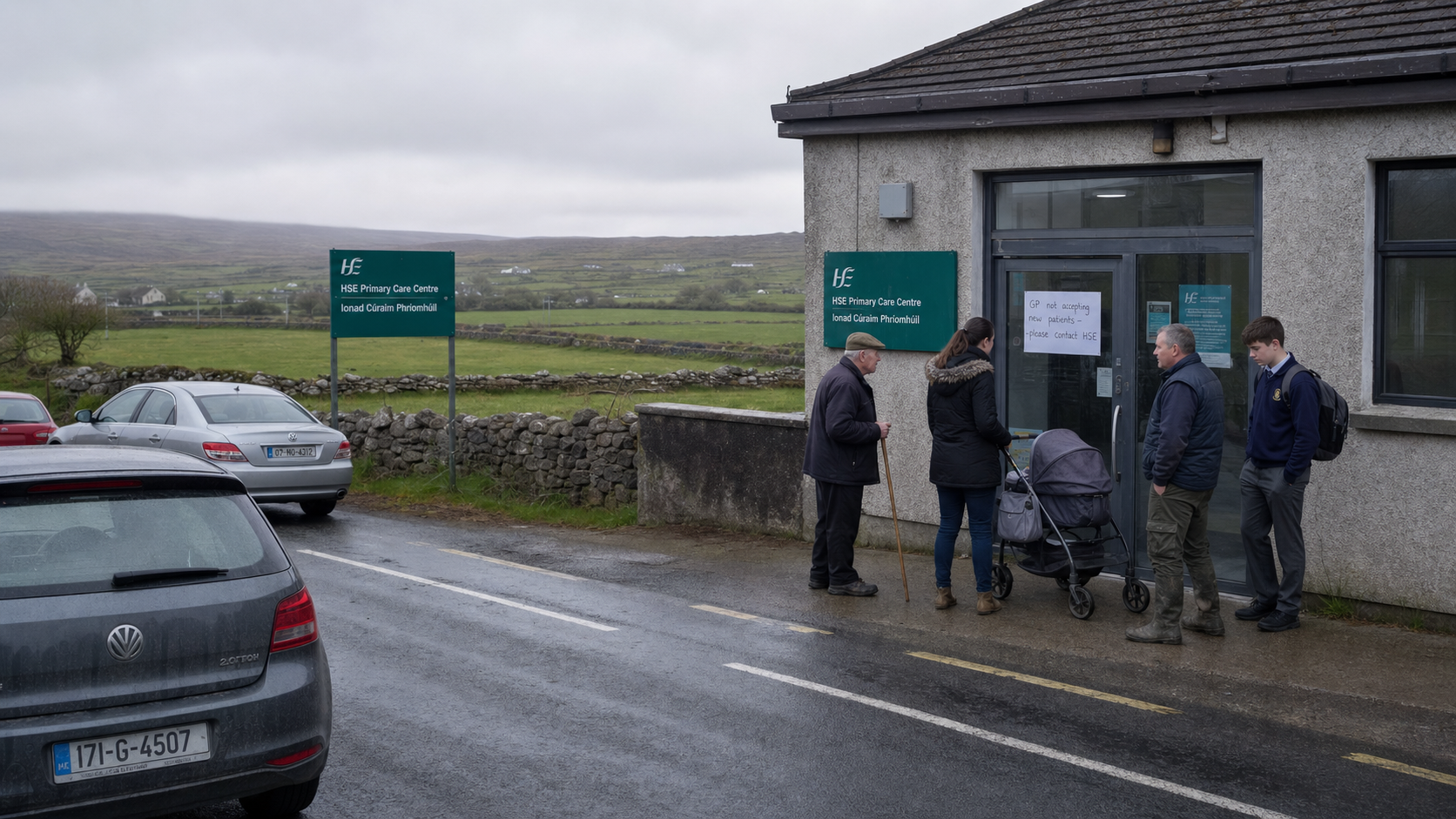
The standoff is taking place against the backdrop of a wider, and deepening, staffing crisis in the Irish healthcare system. A record €29 billion has been allocated to the health budget for 2026, but the frontline reality is one of persistent staff shortages, fuelled by the "Australia Lure" of higher salaries and better work-life balance for Irish doctors and nurses abroad, the high cost of housing in Ireland's urban centres, and the increasing complexity of care required by an ageing population — with 15% of the population now aged 65 or over.
Key Developments
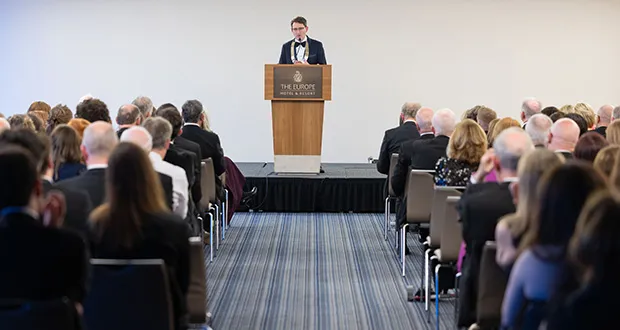
At the IMO's AGM on Tuesday, April 14th, newly elected President Professor Matthew Sadlier delivered a forceful address calling on the HSE to fully implement the 2022 agreement on working hours for NCHDs. Professor Sadlier warned that the current situation, where many junior doctors are working 24-hour shifts in breach of the Organisation of Working Time Act, is "unsafe for patients and doctors." The IMO is demanding the complete removal of 24-hour shifts, meaningful sanctions for hospitals that breach working time legislation, and a genuine commitment from the HSE to engage with junior doctors on their concerns.
Professor Sadlier made clear that the organisation would support whatever action NCHDs decide to take if the HSE fails to respond positively: "Our NCHDs are the future of the profession. The HSE must engage positively with them, but if not, we will support whatever action they decide to take to achieve a better training and working experience." Dr. Rachel McNamara, Chair of the IMO's NCHD committee, described a "lack of momentum" in contract negotiations, with talks being "repeatedly stalled."
Why It Matters
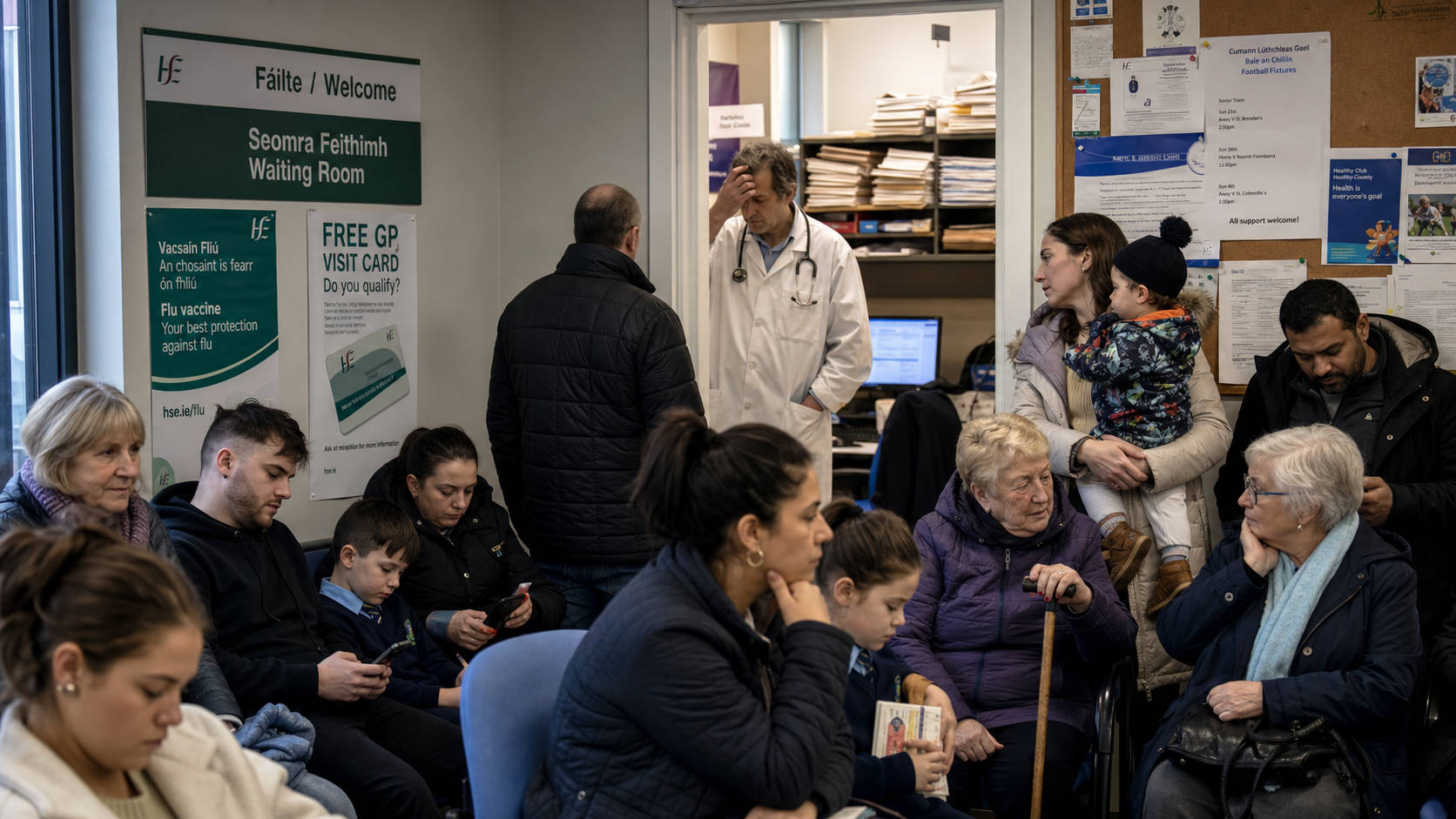
The working conditions of junior doctors have a direct impact on patient safety and the long-term sustainability of the Irish health system. The HSE has pointed to progress in several areas — citing national average compliance with the maximum 24-hour shift at 91% and compliance with the 48-hour week at 77% — but these figures mask significant variation between hospitals and are disputed by the IMO. Professor Sadlier also highlighted a "manpower crisis" in General Practice, a pay claim for public health doctors, and the urgent need for an additional 5,000 hospital beds to alleviate strain on emergency departments and reduce waiting times. If the HSE fails to address these concerns, the risk of industrial action — and the disruption that would bring to patients — increases significantly.
Local Impact
The crisis in junior doctor working conditions has a direct bearing on healthcare services across Ireland, including in Northern Ireland, where similar pressures on the medical workforce are well documented. The threat of industrial action by NCHDs is not an isolated one: other healthcare unions, including the Irish Nurses and Midwives Organisation, have also threatened industrial action over the staffing crisis. For patients across the island, the prospect of disruption to hospital services is a serious concern. The IMO's explicit backing of its junior doctor members marks a significant escalation that will be watched closely by health authorities on both sides of the border.
What's Next
The IMO has called on the HSE to respond to its demands within a defined timeframe. If no satisfactory engagement is forthcoming, the organisation has indicated it will ballot NCHDs on potential industrial action. The outcome of these negotiations will be closely watched by healthcare workers and patients across Ireland. For the full report from the IMO AGM, see Irish Medical Times' coverage of the AGM. For background on the NCHD taskforce recommendations, see Medical Independent's analysis of the taskforce report.