GLP-1 Weight Loss Drug Surge Strains Irish GPs and HSE as Demand Outstrips Supply and Equity Questions Mount
The surge in demand for GLP-1 weight loss drugs such as Ozempic and Wegovy is placing significant and growing strain on the Irish health system, with GPs reporting unprecedented levels of patient demand, supply shortages continuing to affect diabetic patients who depend on the drugs for blood sugar management, and the HSE facing difficult questions about how to manage equitable access to treatments that could transform public health outcomes but which cost thousands of euros per patient per year.
Background
GLP-1 receptor agonists — a class of drugs that includes semaglutide, sold under the brand names Ozempic and Wegovy — have transformed the treatment of obesity and type 2 diabetes over the past several years. Originally developed as diabetes medications, these drugs have proven to be remarkably effective at inducing weight loss, with clinical trials showing average weight reductions of 15 to 20% in obese patients — results that far exceed anything previously achievable with medication.
The drugs work by mimicking the action of a naturally occurring hormone that regulates appetite and blood sugar, reducing hunger and slowing the emptying of the stomach. They are administered by weekly injection and are generally well-tolerated, though they can cause nausea and other gastrointestinal side effects, particularly in the early stages of treatment.
In Ireland, as in other countries, the explosion of interest in GLP-1 drugs has created a complex set of challenges for the health system. The drugs are expensive — Wegovy, the version approved specifically for weight loss, costs approximately €300 per month — and they are not currently reimbursed by the HSE for weight loss indications, meaning that access is largely confined to those who can afford to pay privately. This has created a two-tier system in which the benefits of a potentially transformative treatment are available only to the affluent.
Key Developments
Irish GPs are reporting that requests for GLP-1 prescriptions have become one of the most common topics of consultation, with patients arriving at appointments having researched the drugs online and seeking access to treatments they have read about in the media or seen discussed on social media. The volume of requests is placing significant pressure on GP time and creating difficult conversations about clinical appropriateness and the limits of what the health system can provide.
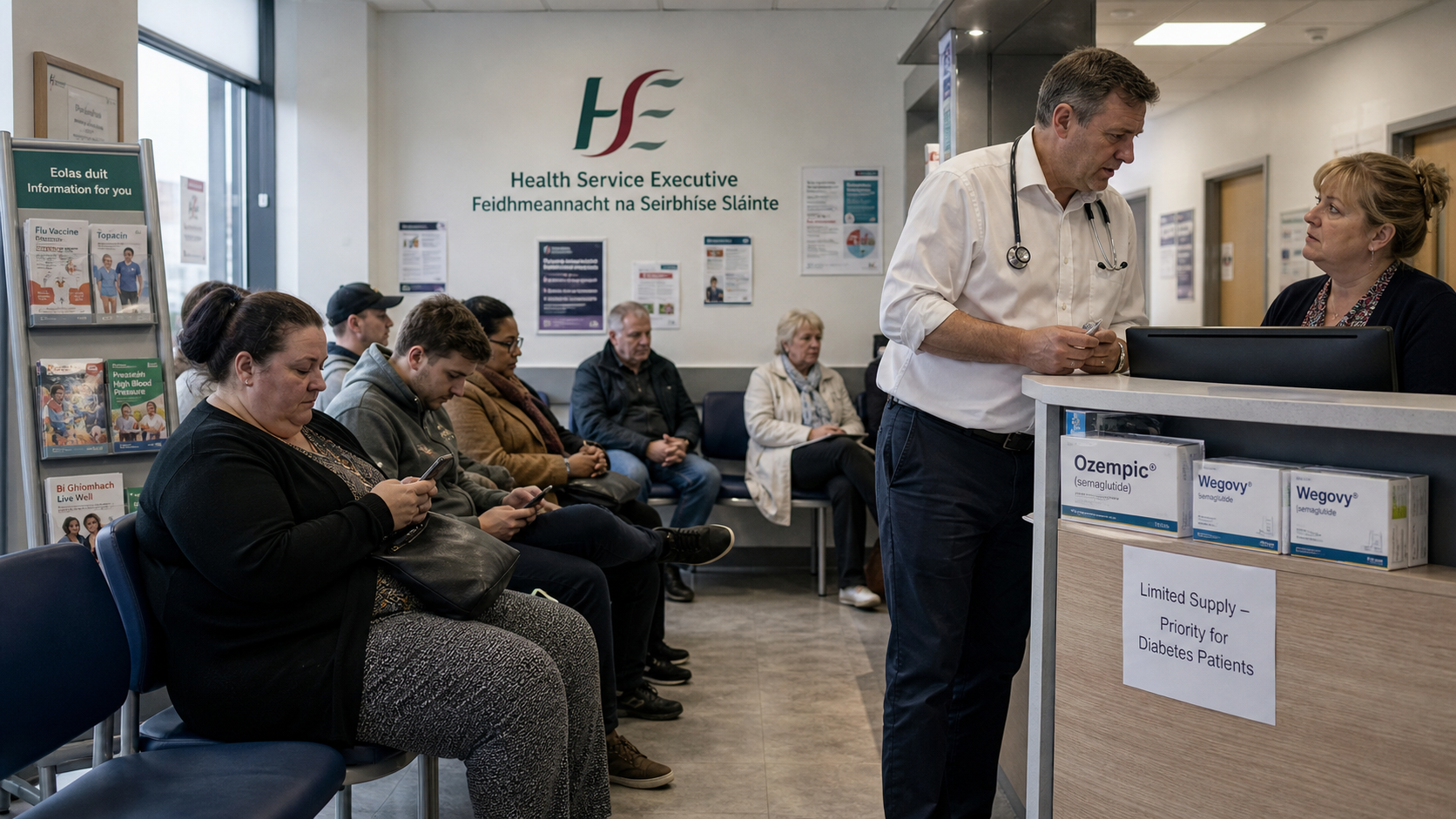
The supply situation has been complicated by the fact that the same drugs are used for both diabetes management and weight loss. When demand for weight loss prescriptions surged, supplies of Ozempic — which is reimbursed for diabetes — were diverted, leaving some diabetic patients unable to access their medication. The HSE has been working with manufacturers to address supply issues, but the problem has not been fully resolved.
The HSE is currently reviewing its approach to GLP-1 drugs, including the question of whether and how to reimburse them for weight loss indications. The review is expected to consider the clinical evidence, the cost-effectiveness of the drugs, and the equity implications of a system in which access is determined by ability to pay rather than clinical need.
Why It Matters
Obesity is one of the most significant public health challenges facing Ireland. The country has one of the highest rates of obesity in Europe, with approximately 60% of adults classified as overweight or obese. Obesity is associated with a range of serious health conditions, including type 2 diabetes, cardiovascular disease, and certain cancers, and it places a significant burden on the health system.
If GLP-1 drugs can deliver the weight loss results seen in clinical trials at a population level, the public health implications would be enormous. Reducing obesity rates would reduce the incidence of associated conditions, decrease demand for health services, and improve quality of life for hundreds of thousands of Irish people. The question is not whether these drugs work — the evidence is clear that they do — but how to make them available in a way that is equitable, sustainable, and clinically appropriate.
The equity dimension is particularly important. If access to GLP-1 drugs remains confined to those who can afford to pay privately, the drugs will widen rather than narrow health inequalities. People from lower socioeconomic backgrounds, who have higher rates of obesity and associated conditions, will be the least likely to benefit from treatments that could make the greatest difference to their health.
Local Impact
In GP practices across Ireland, from Dublin's inner city to rural Connacht, the GLP-1 conversation is playing out in consulting rooms every day. GPs are navigating the tension between patient demand, clinical appropriateness, and the limitations of what the health system can currently provide. Many are concerned about the long-term implications of a situation in which patients who can afford to pay privately are accessing treatments that are not available to those who cannot.
The HSE's obesity services, which are concentrated in a small number of specialist centres, are overwhelmed with referrals from GPs seeking to access GLP-1 drugs through the public system. Waiting times for specialist obesity services are measured in months or years, a situation that is clinically unacceptable given the progressive nature of obesity and its associated conditions.
What's Next
The HSE's review of GLP-1 drug policy is expected to be completed by the end of 2026, with a decision on reimbursement anticipated in early 2027. The review will be informed by the experience of other European countries, several of which have already introduced reimbursement schemes for GLP-1 drugs for weight loss indications. Patient advocacy groups and medical professional bodies are expected to make submissions to the review, and the issue is likely to feature prominently in the autumn Dáil term.