UN Peacekeeper Killed in Lebanon as AGSI Demands Garda Suspension Review
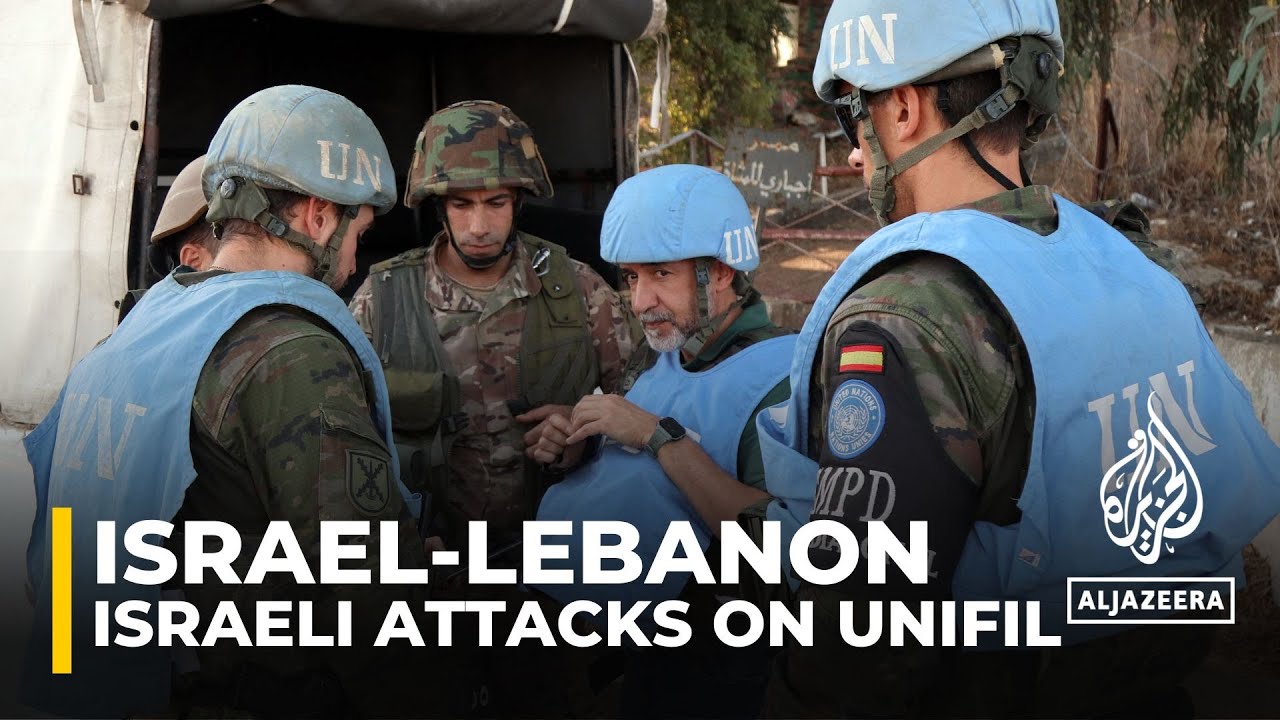
An Indonesian UNIFIL peacekeeper was killed and another critically injured by an exploding projectile in southern Lebanon on Sunday, as the United Nations mission faces mounting dangers amid the region's ongoing conflict — while in Ireland, the Association of Garda Sergeants and Inspectors has called for an urgent and comprehensive review of the country's garda suspension system.
Background
The United Nations Interim Force in Lebanon (UNIFIL) has maintained a presence in southern Lebanon since 1978, tasked with monitoring the cessation of hostilities and supporting the Lebanese government in restoring authority in the region. The mission, which comprises approximately 10,000 troops from more than 40 countries, has faced increasingly dangerous conditions as conflict in the Middle East has intensified in recent months, placing its personnel at grave risk.
Indonesia is one of UNIFIL's largest troop-contributing nations, and the death of its peacekeeper marks a devastating blow to a mission already operating under extreme pressure. In late March and early April 2026, four Indonesian UNIFIL peacekeepers were killed in two separate incidents in southern Lebanon — one by a projectile, and three others when their convoy was struck by an explosion. The Indonesian government has called for a full United Nations investigation and demanded greater protection for its personnel, expressing deep frustration at the dangers to which its troops are being exposed.
Separately, the Association of Garda Sergeants and Inspectors (AGSI) has escalated its campaign for reform of the suspension system governing members of An Garda Síochána. The association has expressed a fundamental lack of confidence in the current framework, citing cases where officers have been suspended for several years only to be subsequently acquitted of any wrongdoing — a situation the AGSI describes as deeply unjust and damaging to morale across the force.
Key Developments
The AGSI is demanding the establishment of an independent review mechanism for suspensions that extend beyond 12 months, arguing that the current system lacks adequate oversight and leaves officers in a state of professional and financial limbo for unacceptable periods. The Minister for Justice has acknowledged the association's concerns and indicated a willingness to consider their proposals — a response the AGSI has welcomed, though it has made clear that words must be followed by concrete legislative action within a defined timeframe.
On the Lebanon front, the killing of the Indonesian peacekeeper drew immediate condemnation from UN Secretary-General António Guterres, who called for a thorough investigation and reiterated the inviolability of UN peacekeeping personnel under international law. UNIFIL has faced a series of incidents in recent months as the security situation in southern Lebanon has deteriorated, raising serious questions about the mission's mandate and the protection afforded to its troops in an increasingly volatile environment.
Why It Matters
The death of a UN peacekeeper in Lebanon is a stark reminder of the human cost of international peacekeeping operations and the dangers faced by the men and women who serve in some of the world's most volatile regions. UNIFIL's presence in southern Lebanon is a cornerstone of the fragile stability that has existed in the region, and attacks on its personnel undermine not only the mission but the broader framework of international law that governs armed conflict. The AGSI's campaign for garda suspension reform, meanwhile, speaks to a fundamental question of fairness within Ireland's police service — one that has implications for recruitment, retention, and public confidence in An Garda Síochána at a time when the force is already under significant pressure to meet rising demand for its services.
Local Impact
Ireland has a long and proud tradition of contributing to UN peacekeeping missions, with Irish Defence Forces personnel serving in Lebanon as part of UNIFIL for decades. The deaths of Indonesian peacekeepers will resonate deeply with Irish military families who understand the risks their own loved ones face in similar deployments. Closer to home, the AGSI's demands for garda suspension reform will be closely watched by rank-and-file members of An Garda Síochána across Northern Ireland and the Republic, where concerns about the treatment of officers under investigation have been a persistent source of tension within the force and a factor in recruitment and retention challenges.
What's Next
The United Nations is expected to launch a formal investigation into the circumstances of the Indonesian peacekeepers' deaths, with Indonesia pressing for accountability and enhanced force protection measures. In Ireland, the Minister for Justice is expected to respond formally to the AGSI's proposals in the coming weeks, with the association indicating it will pursue the matter through all available channels if meaningful reform is not forthcoming in a reasonable timeframe. The AGSI has also indicated it may seek to raise the issue at the Garda Representative Association's annual conference, where it is likely to attract significant attention from rank-and-file members across the country.
Sources: Al Jazeera | RTÉ News