UK COVID Inquiry: NHS 'Teetered on Brink of Collapse' During Pandemic, Report Finds
The UK's official COVID-19 Inquiry has delivered a damning verdict on the state of the National Health Service during the pandemic, concluding that the health service survived only due to the "almost superhuman efforts" of frontline staff — and that politicians refused to admit the scale of the crisis.
Background
The UK COVID-19 Inquiry, chaired by Baroness Heather Hallett, has been examining the government's handling of the pandemic in what has become the most expensive public inquiry in British history, costing £204 million. The third of ten planned reports was published in March 2026, focusing specifically on the impact of the pandemic on healthcare systems across the UK.
Key Developments
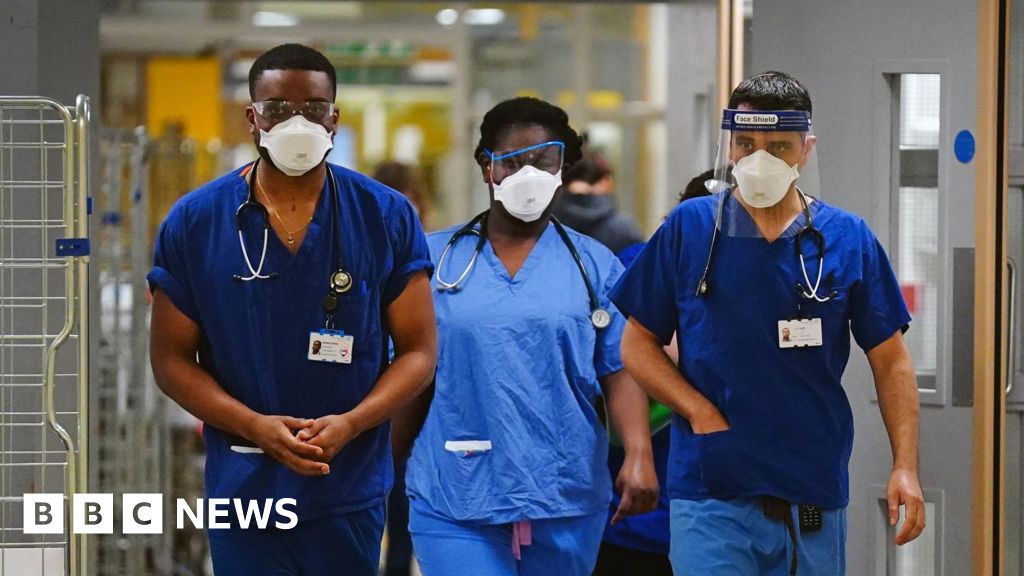
The inquiry found that the NHS "teetered on the brink of collapse" during the pandemic, with the health service surviving only because of the extraordinary dedication of doctors, nurses, and other healthcare workers who worked under "intolerable pressure for months on end." Baroness Hallett described the impact as "devastating" and warned that without urgent reform, a future pandemic might not find a workforce "able or willing" to endure similar conditions.
The report was particularly critical of the NHS's pre-pandemic state, finding it was in a "parlous condition" before COVID-19 struck — with low bed numbers, high staff vacancies, and dangerously high bed occupancy rates. This left the health service ill-equipped to absorb the shock of a major public health emergency.
Former Health Secretary Matt Hancock came in for sharp criticism. The inquiry found that politicians, including Hancock, had refused to admit the NHS was "overwhelmed," believing the word implied total collapse. Baroness Hallett dismissed this as "semantics," stating there was "clearly overwhelm" across healthcare systems.
The report also found that the government's "Stay Home, Protect the NHS, Save Lives" messaging inadvertently deterred people from seeking urgent medical care. Patients with life-threatening conditions such as heart attacks avoided A&E out of fear of burdening the health service, leading to worsened outcomes and, in some cases, preventable deaths.
Why It Matters
The findings have profound implications for NHS reform. The inquiry made ten recommendations, including increasing capacity in urgent and emergency care, strengthening infection control guidance, and improving advance care planning. The report also highlighted that approximately 80% of healthcare professionals reported acting in ways that conflicted with their values during the pandemic.
What's Next
The government is expected to respond formally to the inquiry's recommendations. Health Secretary Wes Streeting has acknowledged the findings and pledged to implement changes. The inquiry will continue with further reports examining other aspects of the pandemic response, including vaccines and economic policy. Read the full Guardian report here.