Northern Ireland Secures £50 Million Defence Growth Deal Amid Stormont Political Row
The UK government has announced a £50 million Defence Growth Deal for Northern Ireland, aimed at boosting defence technology start-ups and creating hundreds of highly-skilled jobs — but the announcement has exposed deep political divisions at Stormont, with Sinn Féin refusing to attend the launch and condemning the investment as an "immoral political choice." The deal, unveiled on 22 April 2026, is the fifth and final regional defence growth deal launched under the UK's 2025 Defence Industrial Strategy.
Background
Northern Ireland already has a significant aerospace and defence industrial base, with the sector supporting around 900 jobs and contributing over £270 million annually to the local economy. The region has a long history of defence manufacturing, from the shipbuilding heritage of Harland and Wolff to the modern precision engineering capabilities of companies like Thales, whose East Belfast factory produces NLAW anti-tank missiles that have been supplied to Ukraine. The UK government's decision to include Northern Ireland in its Defence Growth Deal programme reflects both the region's existing industrial strengths and its strategic importance within the broader UK defence ecosystem.
The Northern Ireland deal is part of a £250 million UK-wide fund, with similar deals already announced for the South West, Wales, Scotland, and the North East of England. The programme sits within the UK government's commitment to the largest sustained increase in defence spending since the Cold War, targeting 2.6% of GDP by 2027 — a commitment driven in part by the changed security environment in Europe following Russia's invasion of Ukraine and the ongoing instability in the Middle East.
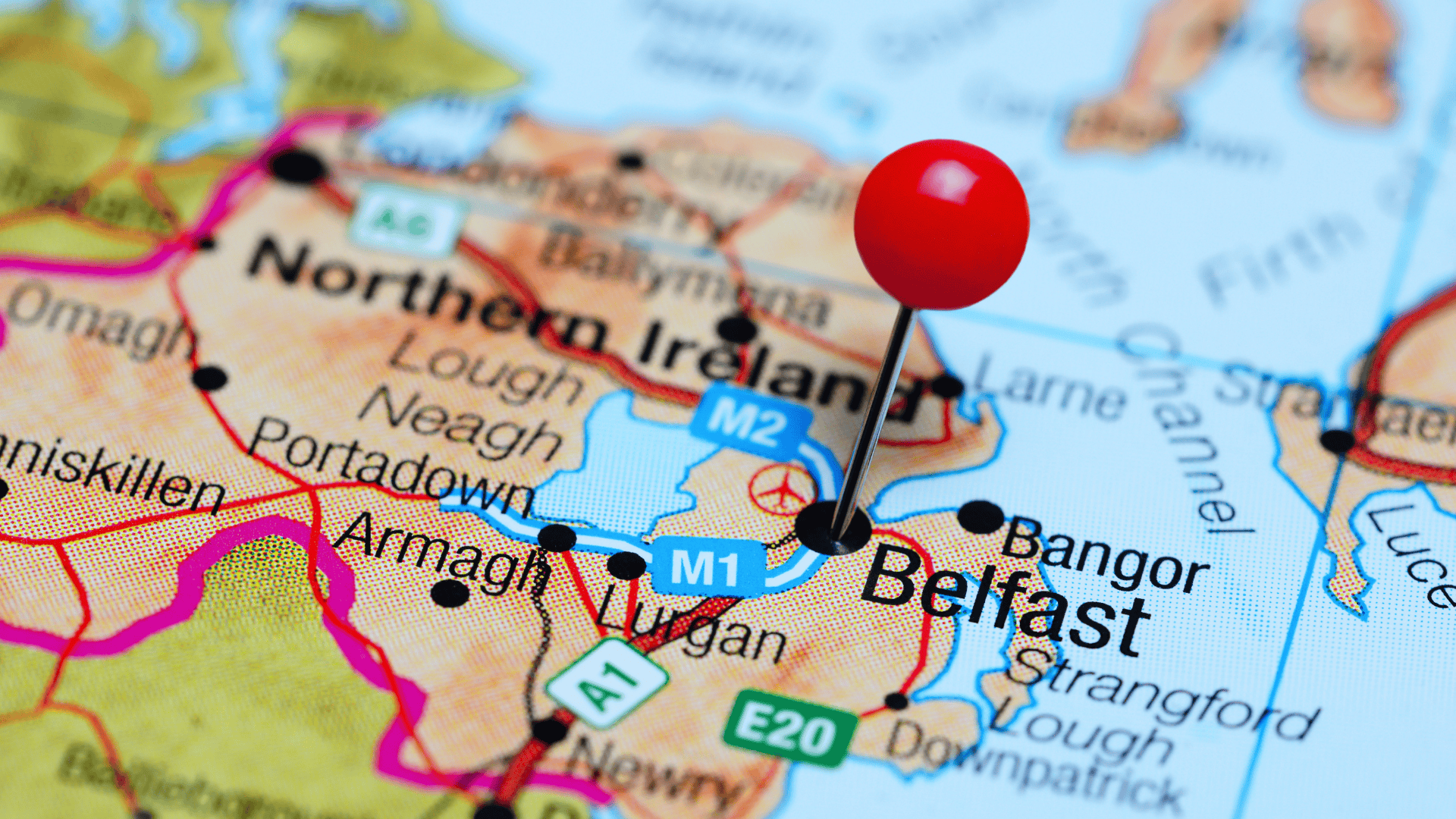
The deal was launched at Belfast Metropolitan College, with Defence Minister Luke Pollard and Northern Ireland Office Minister Matthew Patrick meeting local industry representatives and academics. DUP Leader Gavin Robinson MP welcomed the announcement as a "significant boost for local industry" and a "major vote of confidence" in Northern Ireland, noting the region had secured one of only five such deals from the UK-wide fund. As the UK government confirmed, the investment is designed to make it easier for smaller businesses to enter the defence supply chain.
Key Developments
The £50 million investment will fund a Secure Innovation Hub providing research and development environments for small and medium-sized enterprises (SMEs), alongside skills initiatives in engineering and technology developed in partnership with colleges and universities. The hub is designed to make it easier for smaller businesses to enter the defence supply chain and develop dual-use technologies with both military and civilian applications — a model that has proven successful in other regions of the UK.
However, neither First Minister Michelle O'Neill nor Economy Minister Caoimhe Archibald of Sinn Féin attended the launch. Sinn Féin MP Chris Hazzard characterised the deal as an "immoral political choice to supercharge the building of weapons of war," arguing the £50 million should instead be invested in public services, green energy, and creative industries. The boycott underscores the enduring sensitivity of defence and security issues in Northern Ireland's political landscape, where the legacy of the Troubles continues to shape attitudes towards military spending and the arms industry.
The Alliance Party and SDLP both welcomed the economic opportunity while calling for the Stormont Executive to engage constructively with the deal's implementation. Ulster Unionist Party leader Doug Beattie described the investment as "long overdue" and called on all parties to set aside political differences in the interests of job creation. As BBC Northern Ireland reported, the political row is expected to continue at Stormont in the coming weeks.
Why It Matters
The deal reflects the UK government's commitment to the largest sustained increase in defence spending since the Cold War, and for Northern Ireland it represents a significant economic opportunity at a time when the region's economy faces considerable headwinds. Recent growth in the defence sector has been driven by projects such as Thales' NLAW anti-tank missile production in East Belfast — which has seen the company double production and plan to hire 300 new staff — and a naval support contract at Harland and Wolff. The Secure Innovation Hub has the potential to catalyse a new generation of defence technology companies in Northern Ireland, creating high-value jobs in engineering, software, and advanced manufacturing.
The political controversy surrounding the deal also matters, because it illustrates the ongoing challenge of governing Northern Ireland's power-sharing Executive when the two largest parties hold fundamentally different views on defence and security. Sinn Féin's boycott of the launch is not merely symbolic — it signals that the party will not facilitate the Executive's engagement with the deal's implementation, potentially complicating the skills and education programmes that depend on Stormont cooperation.
Local Impact
For Belfast and the wider Northern Ireland economy, the Defence Growth Deal offers tangible benefits: new jobs, investment in skills, and the potential to attract further defence contracts to a region that has historically punched above its weight in aerospace and advanced manufacturing. The Secure Innovation Hub, once operational, could become a focal point for collaboration between established defence primes, SMEs, and the region's universities — a model that has generated significant economic returns in other parts of the UK. However, the political divisions exposed by the launch serve as a reminder that economic development in Northern Ireland rarely proceeds without political complication. The challenge for the UK government and for Stormont's pro-deal parties will be to ensure that the investment delivers on its promise despite the absence of Sinn Féin's active support.
What's Next
The Secure Innovation Hub is expected to begin operations later in 2026. Skills programmes will be developed in collaboration with further education institutions across Northern Ireland, with Belfast Metropolitan College expected to play a central role. The political row over the deal is likely to continue at Stormont in the coming weeks, with Sinn Féin expected to raise the issue in the Assembly chamber. The UK government has indicated it will press ahead with implementation regardless, working with willing partners in industry and academia to ensure the £50 million delivers maximum benefit for Northern Ireland's economy.