Politics 2 min read

Downing Street Reaffirms Falklands Sovereignty Amid US Policy Concerns

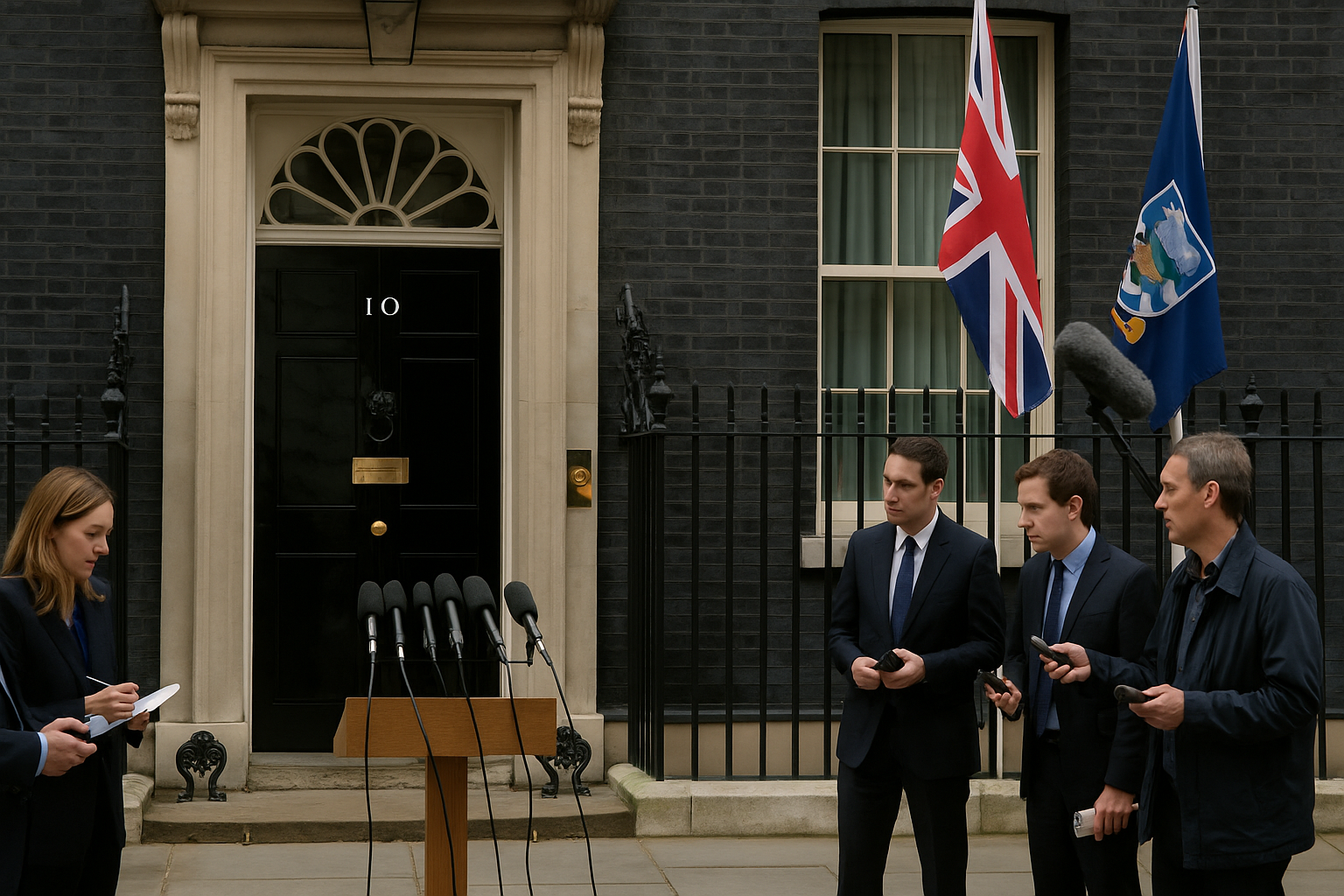
Downing Street has reaffirmed British sovereignty over the Falkland Islands after reports on 24 April 2026 suggested the Trump administration might withdraw US support for the UK's claim as a diplomatic pressure point over Britain's refusal to join military action against Iran. A Number 10 spokesperson stated the UK's position on the islands is non-negotiable. The episode has highlighted tensions in the transatlantic alliance amid the ongoing Middle East conflict.

Titanic NewsSaturday, 25 April 20261 views
Downing Street Reaffirms Falklands Sovereignty Amid US Policy Concerns

Downing Street Reaffirms Falklands Sovereignty Amid US Policy Concerns

Number 10 has issued a firm statement reaffirming British sovereignty over the Falkland Islands after reports emerged that the United States could potentially withdraw its long-standing support for the UK's claim as a diplomatic pressure point.

The concerns, reported on 24 April 2026, arose from suggestions that the Trump administration might leverage the Falklands issue in response to the UK's decision not to join US military action in the Iran conflict. The episode has highlighted the delicate nature of the transatlantic alliance at a time of significant geopolitical tension.

Background

The Falkland Islands, a British Overseas Territory in the South Atlantic, have been a point of contention between the UK and Argentina since the 1982 war, in which British forces retook the islands after an Argentine invasion. The US has historically supported the UK's position, and any shift in that stance would be diplomatically significant. The islands are home to approximately 3,500 people, the vast majority of whom identify as British and have consistently voted to remain under British sovereignty.

Key Developments

A Guardian report on 24 April questioned whether President Trump might use the Falklands as a bargaining chip, potentially withdrawing US support for the UK's claim in retaliation for Britain's refusal to participate in military operations against Iran. In response, a Number 10 spokesperson stated unequivocally that the sovereignty of the Falkland Islands rests with the United Kingdom and that this position is non-negotiable. The Foreign Office also reiterated its commitment to the self-determination of the Falkland Islands' people.

Why It Matters

The Falklands remain a deeply sensitive issue in British politics, evoking strong national sentiment and memories of the 1982 conflict. Any perceived weakening of US support would be seen as a significant diplomatic setback and could embolden Argentina to renew its sovereignty claims. The episode also underscores the broader strains in the UK-US relationship caused by Britain's stance on the Iran conflict.

What's Next

The UK government is expected to engage in diplomatic discussions with Washington to clarify the US position on the Falklands. Senior ministers are likely to seek reassurances from their American counterparts that the long-standing US policy of supporting the right of the Falkland Islanders to self-determination remains unchanged. The situation will be closely monitored by both the Foreign Office and the Ministry of Defence.
What's Your Take?

Falkland IslandsUK sovereigntyTrumpUS-UK relationsdiplomacy

Related Stories

Assisted Dying Bill Fails as House of Lords Blocks Final Vote
Politics

Assisted Dying Bill Fails as House of Lords Blocks Final Vote

The Terminally Ill Adults (End of Life) Bill has failed after the House of Lords used procedural tactics to block a final vote before the parliamentary session ended on 24 April 2026. Supporters described the outcome as undemocratic, vowing to reintroduce the legislation in the next session. The failure leaves assisted dying illegal in England and Wales, despite consistent majority public support for reform.

Titanic News
3 min read25 Apr 2026
UK Parliament in Final Legislative Sprint as Key Bills Enter Ping-Pong
Politics

UK Parliament in Final Legislative Sprint as Key Bills Enter Ping-Pong

Several major government bills are locked in parliamentary ping-pong between the Commons and Lords as the session nears its end on 24 April 2026. Key disputes include the Crime and Policing Bill, the Children's Wellbeing and Schools Bill, and the Pension Schemes Bill. The Victims and Courts Bill successfully completed its passage, but others face an uncertain fate if compromises cannot be reached.

Titanic News
2 min read25 Apr 2026
Sinn Féin Ard Fheis Opens in Belfast as Party Eyes Unity Referendum by 2030
Politics

Sinn Féin Ard Fheis Opens in Belfast as Party Eyes Unity Referendum by 2030

Sinn Féin's Ard Fheis has opened in Belfast with delegates debating 164 motions including the cost-of-living crisis and a united Ireland referendum. Deputy Leader Michelle O'Neill said a unity referendum could 'very conceivably' happen by 2030.

Titanic News
2 min read24 Apr 2026
Starmer's Leadership 'Terminal' as Mandelson Scandal Deepens and May Elections Loom
Politics

Starmer's Leadership 'Terminal' as Mandelson Scandal Deepens and May Elections Loom

Prime Minister Keir Starmer faces mounting calls for resignation from within Labour and opposition parties as the Peter Mandelson security vetting scandal deepens. With May local elections looming and Reform UK poised to make gains, speculation about a leadership challenge is intensifying.

Titanic News
2 min read24 Apr 2026