UK Approves Largest-Ever Solar Farm in Lincolnshire in Major Green Energy Milestone
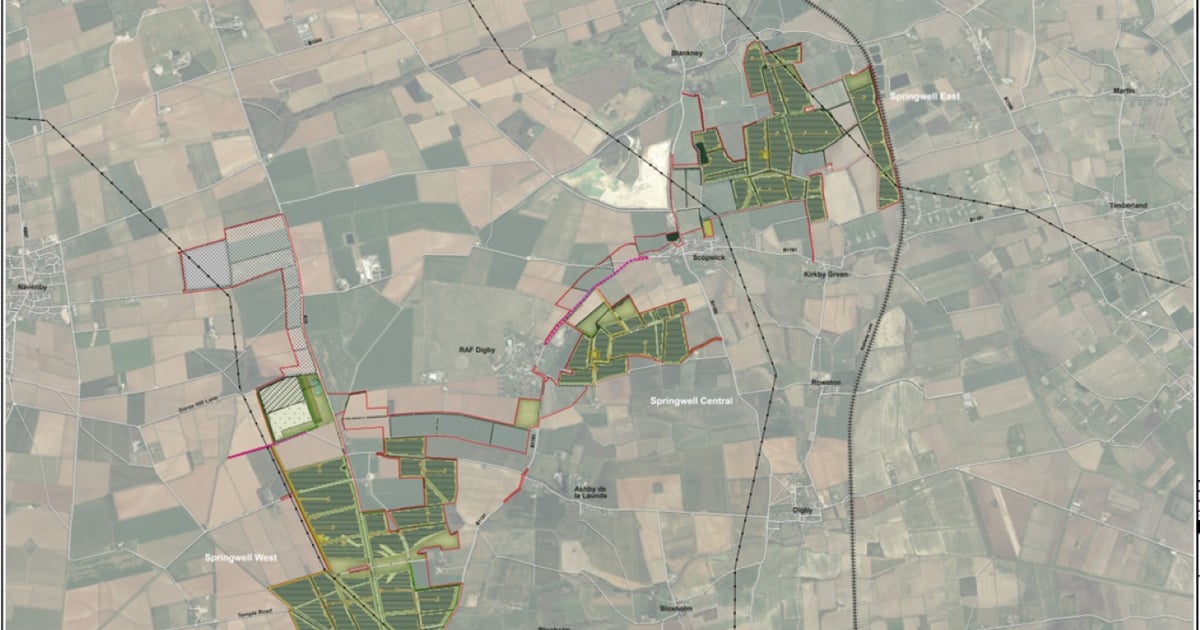
The UK government has granted planning consent for the Springwell Solar Farm in North Kesteven, Lincolnshire — an 800-megawatt development that will become the largest power-generating solar farm in the country and is capable of powering more than 180,000 homes annually.
The Secretary of State for Energy Security and Net Zero approved the project on 8 April, marking a significant milestone in the government's drive to expand domestic clean energy capacity and reduce Britain's dependence on imported fossil fuels. The farm, developed by EDF subsidiary EDF Power Solutions UK in partnership with Luminous Energy, will cover an area equivalent to 1,700 football pitches near Navenby in Lincolnshire.
Key Details
The Springwell Solar Farm is classified as a Nationally Significant Infrastructure Project, meaning its approval required a decision from the Secretary of State rather than local planning authorities. The project includes battery storage facilities and supporting grid connection infrastructure, with electricity generation expected to begin in 2029. The farm has an intended operational lifespan of around 40 years, after which the land could be returned to agricultural use.
Energy Minister Michael Shanks described the approval as a crucial step in delivering clean, homegrown power for British households. The project is the 25th nationally significant clean energy development approved by the current government since taking office, and the 14th solar Nationally Significant Infrastructure Project.
Local Concerns
The approval was not without controversy. North Kesteven District Council raised objections relating to the loss of best and most versatile agricultural land — with nearly half the proposed site falling into this classification — as well as concerns about landscape impact, cultural heritage, and battery storage safety. Local Conservative councillor Rob Kendrick described the decision as "sad news for Lincolnshire and its residents," citing potential damage to the region's £2 billion tourism industry.
However, the council has since indicated it will work with EDF to ensure community benefits of £400 per megawatt of installed capacity are directed towards local projects. Significant financial contributions of over £2 million towards skills, education, and biodiversity improvements over the farm's lifetime have also been secured.
Why It Matters
The approval comes at a moment of heightened focus on energy security, with the ongoing conflict in the Middle East and disruption to the Strait of Hormuz pushing oil and gas prices higher. Ministers have repeatedly cited the need to accelerate domestic renewable energy production as a buffer against international market volatility.
What's Next
Construction is expected to begin in the coming years, with the farm projected to generate electricity from 2029. The project will contribute to a total clean energy capacity that the government says could power over 12.5 million homes across the UK. Read more at BBC News.