UHL Trolley Crisis Reaches Breaking Point as 130 Patients Wait and HSE Pleads for Public to Stay Away
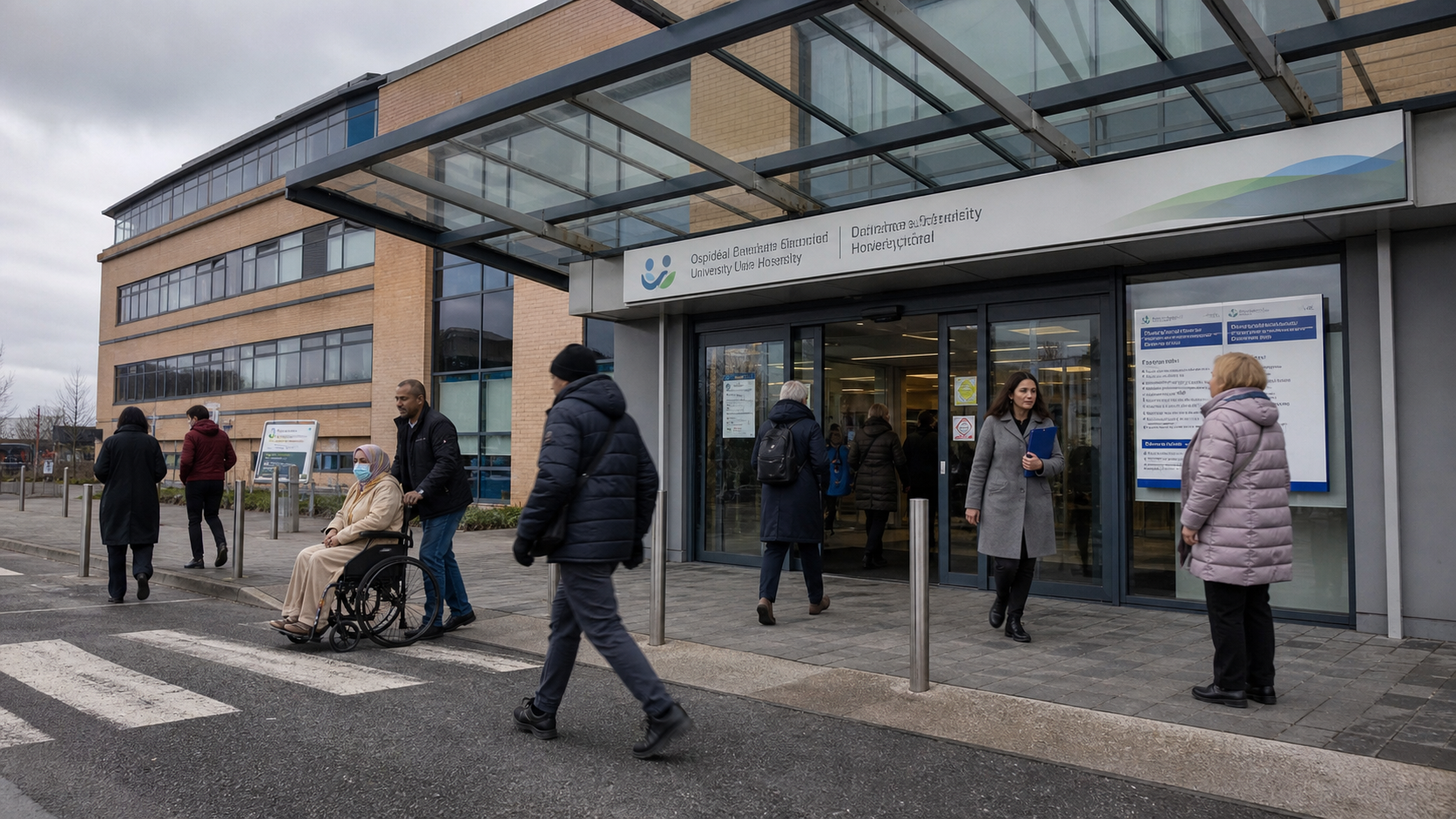
University Hospital Limerick has recorded 130 patients waiting on trolleys for a hospital bed — the highest number of any hospital in the country — as the HSE reported more than 1,350 emergency department attendances over a four-day period in early August and issued an urgent public plea for people to avoid the emergency department unless they require emergency care, in a crisis that health professionals are warning is a "red flag" for the coming winter.
The figures, confirmed by the Irish Nurses and Midwives Organisation, represent the latest chapter in a long-running crisis at UHL that has seen the hospital consistently record the highest trolley numbers in the State. The medical board has called for the immediate establishment of a development board for a new acute hospital, the release of emergency funding, and the lifting of recruitment restrictions that are preventing the hospital from filling vacant posts.
Background
University Hospital Limerick has been at the centre of Ireland's trolley crisis for more than a decade, consistently recording the highest numbers of patients waiting on trolleys for beds of any hospital in the country. The crisis has its roots in a structural deficit in acute bed capacity and staffing in the Mid-West region that has been building since the closure of emergency departments at Ennis, Nenagh, and St John's hospitals approximately 15 years ago.
Those closures, which were intended to centralise emergency care at UHL and improve clinical outcomes, instead created a situation where a single hospital was required to serve a population of more than 400,000 people across Counties Limerick, Clare, and Tipperary, without the bed capacity or staffing levels to do so effectively. The result has been a chronic and worsening overcrowding crisis that has been the subject of repeated reports, reviews, and promises of action, but which has never been adequately addressed.
The opening of a new 96-bed facility at UHL in late 2025 was expected to provide some relief, but the INMO and the hospital's medical board have stated that the additional capacity has not been sufficient to resolve the underlying structural deficit. The hospital remains the least staffed in the State relative to the population it serves, with a significant disparity in the number of consultants and acute beds compared to other regions.
Key Developments
The HSE's public plea for people to avoid UHL's emergency department unless they require emergency care reflects the severity of the current situation. The health service has urged patients to use pharmacies, GPs, and local injury units as alternatives to the emergency department, and has indicated that it is working to increase capacity and reduce waiting times as quickly as possible.
However, health professionals have pointed out that the alternatives being suggested are themselves under pressure. GP access in the Mid-West region is severely constrained, with many practices closed to new patients and waiting times for appointments extending to several weeks. The injury units in Ennis and Nenagh, which are intended to provide an alternative to the emergency department for minor injuries, have limited opening hours and cannot deal with the full range of conditions that present at UHL.
The INMO has described the situation as "deeply concerning" and has called for emergency measures to address the crisis, including the immediate recruitment of additional nursing staff, the opening of additional beds, and the development of a long-term plan for a new acute hospital in the Mid-West. The organisation has warned that the summer pressures at UHL are a "red flag" for the coming winter, when respiratory illnesses typically further strain hospital capacity.
Why It Matters
The UHL crisis is not just a local problem — it is a symptom of a broader failure of health policy in Ireland that has allowed a structural deficit in acute care capacity to persist and worsen over more than a decade. The repeated promises of action, the reviews and reports, and the incremental measures that have been taken have not been sufficient to address the fundamental problem: that the Mid-West region does not have enough acute hospital capacity to serve its population.
The human cost of this failure is significant. Patients who are waiting on trolleys in UHL's emergency department are not receiving the care they need in a timely and dignified manner. Staff who are working in an overcrowded and under-resourced environment are under enormous pressure, and the risk of adverse outcomes for patients is increased by the conditions in which they are being treated.
The crisis also has implications for the broader health system. When UHL is overwhelmed, it affects the ability of other hospitals in the region to function effectively, and it places additional pressure on ambulance services, GP practices, and community health services that are already stretched. The systemic nature of the problem requires a systemic solution — not incremental measures, but a fundamental investment in acute care capacity in the Mid-West.
Local Impact
The UHL crisis affects communities across Counties Limerick, Clare, and Tipperary, which are all served by the hospital. For residents of Limerick city and county, the hospital is the primary acute care facility, and the overcrowding crisis affects their ability to access timely and appropriate care. The crisis has also had an impact on the morale and retention of healthcare staff in the region, with a number of experienced nurses and doctors leaving UHL for positions in other hospitals or in other countries where working conditions are better.
What's Next
The Department of Health is expected to respond to the UHL medical board's calls for emergency measures in the coming weeks. The government has previously committed to the development of a new acute hospital for the Mid-West, but the timeline and funding for that project remain unclear. The INMO has indicated that it will continue to press for immediate action and will not accept further delays in addressing a crisis that has been allowed to persist for far too long.