Two-Child Benefit Cap Officially Scrapped as New Tax Year Brings Major Changes for UK Families
The two-child limit on welfare benefits has been formally abolished as of 6 April 2026, marking the start of a new tax year that brings sweeping changes to the finances of millions of households across the United Kingdom.
Education Secretary Bridget Phillipson was the sole government minister making public appearances on Easter Monday to promote the landmark welfare change, which Labour had long promised but repeatedly delayed. The scrapping of the cap — which had prevented families from claiming child tax credit or the child element of Universal Credit for a third or subsequent child — is expected to lift hundreds of thousands of children out of poverty.
Key Developments
The new tax year beginning 6 April also brings a raft of other significant financial changes for UK residents. The state pension rises by 4.8% under the triple lock guarantee, while the national minimum wage increases by 4.1%. Benefits payments will also rise by 3.8%, providing some relief to those on lower incomes amid persistent cost-of-living pressures.
However, the new tax year also introduces additional burdens. Inheritance tax on family businesses and farms takes effect, a measure that sparked significant protests from farming communities last year. Dividend tax rates have increased, and council tax and water bills have risen across much of England. The HMRC tax relief for working from home, introduced during the Covid-19 pandemic, has also come to an end.
From today, sole traders earning over £50,000 must submit quarterly tax returns under new Making Tax Digital rules, a change that is expected to increase compliance costs for small businesses.
Background
The two-child cap was introduced by the Conservative government in 2017 and had been a source of fierce controversy ever since, with critics arguing it disproportionately punished larger families and pushed children into poverty. Labour had committed to scrapping it during the 2024 general election campaign, but the policy was delayed amid internal disagreements over the cost.
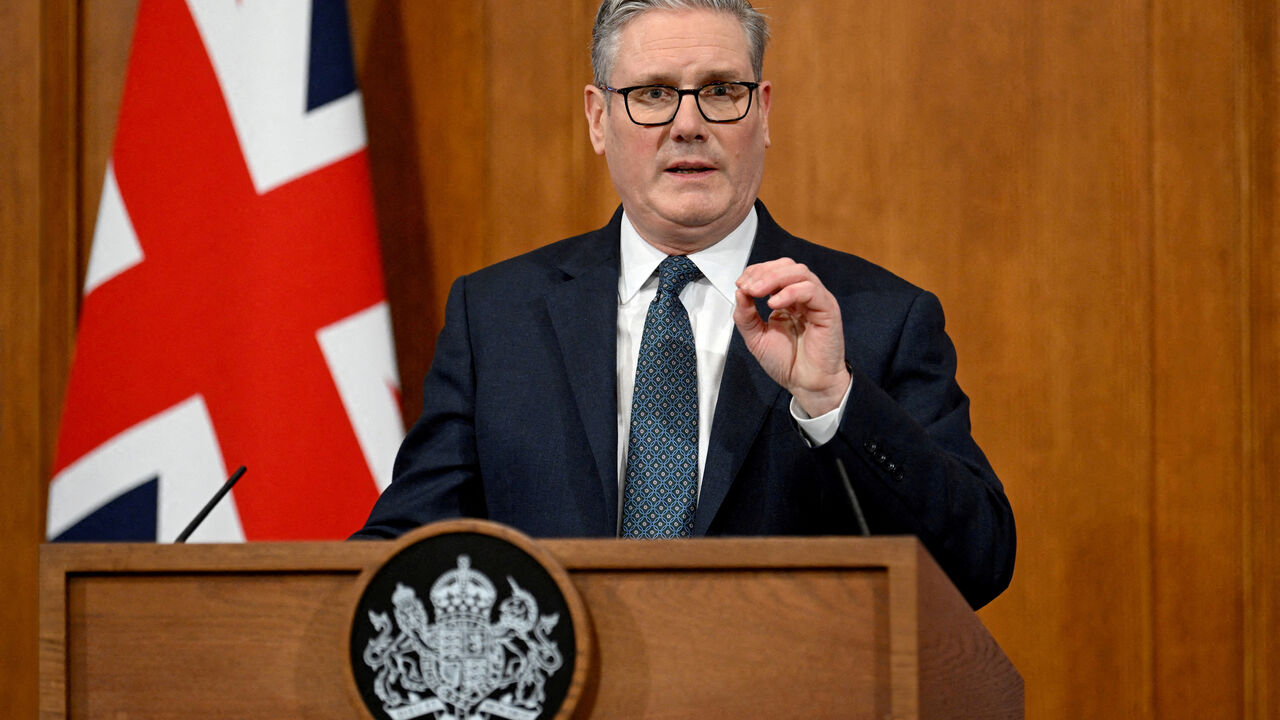
Prime Minister Keir Starmer's government has faced sustained criticism over its handling of welfare policy, including a controversial attempt to reform disability benefits that was later partially reversed. The formal abolition of the two-child cap is seen as a significant moment for the administration, though critics argue it has come too late for many families who suffered under the policy for years.
Why It Matters
The changes come at a particularly difficult time for UK households, with energy bills set to rise sharply due to the ongoing conflict in the Middle East, and inflation remaining above the Bank of England's 2% target. The combination of welfare improvements and new tax burdens means the financial picture for families in April 2026 is decidedly mixed.
Meanwhile, the Employment Rights Act measures championed by Deputy Prime Minister Angela Rayner also come into force today, strengthening workers' rights on issues including zero-hours contracts and unfair dismissal protections.
What's Next
The government faces a crucial test in the May 7 local elections, which will see contests for the Scottish Parliament, Welsh Senedd, and hundreds of English councils. With Reform UK consistently leading in national opinion polls, Labour strategists are hoping the welfare changes announced today will help shore up support among working-class voters ahead of what is expected to be a bruising set of results.
For more details on the welfare changes, see the BBC News politics coverage.