Troubles Bill Survives Commons Vote as Victims Groups Urge Meaningful Reform
The Northern Ireland Troubles Bill has survived a critical procedural vote in the House of Commons, passing by 279 votes to 176 to ensure it will continue its legislative journey into the next parliamentary session — but the debate exposed deep divisions about whether the legislation can deliver the justice and accountability that victims of the Troubles have been seeking for decades.Background
The legacy of the Troubles — the three-decade conflict in Northern Ireland that claimed over 3,500 lives between 1968 and 1998 — remains one of the most sensitive and contested issues in British and Irish politics. Thousands of families are still seeking answers about the deaths of their loved ones, and the question of how to address the past while building a shared future has defied resolution for a generation. The Good Friday Agreement of 1998 created a framework for peace but left the legacy question largely unresolved, with successive governments struggling to find an approach that commands broad support.
The previous Conservative government's Northern Ireland Troubles (Legacy and Reconciliation) Act 2023 was one of the most controversial pieces of legislation in recent memory. The Act offered conditional immunity from prosecution for Troubles-era crimes in exchange for cooperation with a new Legacy Commission — an approach that was condemned by victims' groups, the Irish government, the main Northern Ireland parties, and human rights organisations. Courts subsequently ruled that the Act breached human rights law, and the Labour government that came to power in 2024 committed to repealing and replacing it.
The new Northern Ireland Troubles Bill, introduced in October 2025, represents Labour's attempt to deliver on that commitment. The bill repeals the immunity provisions of the 2023 Act and establishes a reformed Legacy Commission with enhanced powers, including the ability to conduct criminal investigations and inquisitorial proceedings similar to a public inquiry. It also allows previously halted civil actions and some legacy inquests to resume.
Key Developments
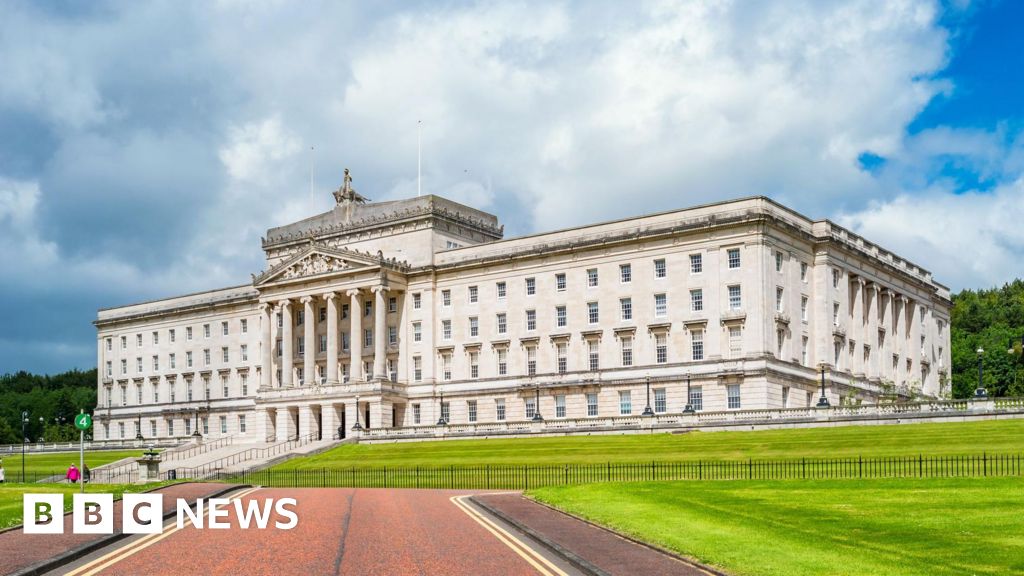
MPs voted on 28 April 2026 to approve a carry-over motion, preventing the bill from lapsing at the end of the parliamentary session. The motion passed by a majority of 103, with 279 Ayes to 176 Noes. Northern Ireland Secretary Hilary Benn, acknowledging the "many different and opposing views," stated that the government has a responsibility to those affected and must rectify the "flawed and failed legislation" of the previous government. Benn confirmed that the government will introduce "a substantial package of amendments" when the bill moves to Committee Stage in the next parliamentary session.
The debate exposed the depth of political division over the legislation. Conservative shadow secretary Alex Burghart voiced concerns that the bill would offer victims "nothing in the way of conclusion or finality" due to the "vanishingly small" chance of convictions, and argued that subjecting veterans to prolonged new investigations was a form of "punishment." TUV MP Jim Allister sharply criticised the bill, claiming the government was "beholden to the Dublin Government" and accusing the Irish government of having undue influence on Labour's policy. In support of the bill, SDLP MP Colum Eastwood read a letter from Sandra Peake of the Wave Trauma Centre, who implored MPs to pass the bill for proper scrutiny.
Why It Matters
The Troubles legacy question is one of the most morally complex issues in British and Irish politics, and the bill's passage through parliament will be one of the defining legislative challenges of the current parliament. For victims and survivors — many of whom are now elderly and in declining health — the question of whether they will ever receive meaningful answers about the deaths of their loved ones is one of profound personal importance. The bill's approach — replacing immunity with a reformed commission — represents a significant improvement on the 2023 Act, but critics are right to question whether it will deliver the accountability that victims deserve. For context, the Bloody Sunday Inquiry, which took twelve years and cost £195 million, resulted in no prosecutions despite finding that the killings were "unjustified and unjustifiable." The challenge of delivering justice for Troubles-era crimes through any legal mechanism is formidable, and the bill's success will ultimately be judged by whether it delivers meaningful outcomes for victims rather than by its procedural provisions.
Local Impact
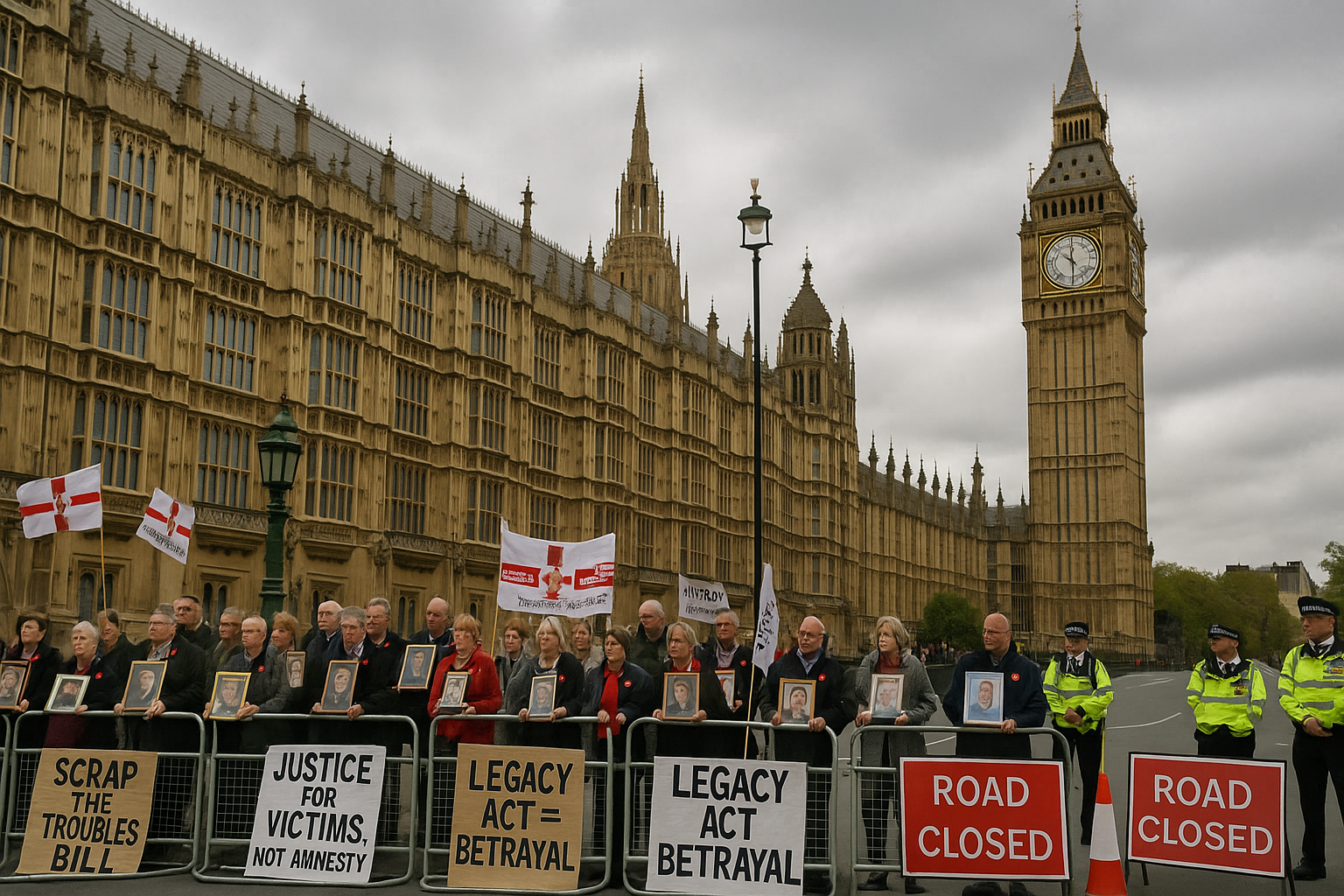
For families across Northern Ireland and the Republic who lost loved ones during the Troubles, the bill's progress through parliament is a matter of profound personal significance. In Belfast, where many of the most high-profile Troubles cases are concentrated, victims' groups have been closely monitoring the legislative process and lobbying for amendments that would strengthen the bill's accountability provisions. The Wave Trauma Centre, which supports Troubles survivors and bereaved families, has been particularly active in engaging with the parliamentary process. For communities in areas like North Belfast, West Belfast, and South Armagh — where the Troubles had the most devastating impact — the question of legacy justice remains a live and painful issue that affects daily life and community relations. The bill's passage to Committee Stage means that the detailed scrutiny of its provisions will now begin, with victims' groups and legal experts expected to submit extensive evidence.
What's Next
The bill will now proceed to Committee Stage in the next parliamentary session, where the government has committed to introducing a substantial package of amendments. The Committee Stage will be the most intensive period of scrutiny, with witnesses from victims' groups, legal experts, and political parties expected to give evidence. The Irish government, which has been closely involved in the development of the bill, is expected to continue its engagement with the legislative process. Watch for the government's announcement of the specific amendments it intends to introduce, which will be the clearest indication of whether the bill will deliver the meaningful reform that victims are seeking.
Sources: RTÉ News — Troubles Bill, 28 April 2026; House of Commons Library — Troubles Bill briefing