Confidence Motion Passes 92-78 as Hundreds of Filling Stations Still Without Fuel Two Weeks On
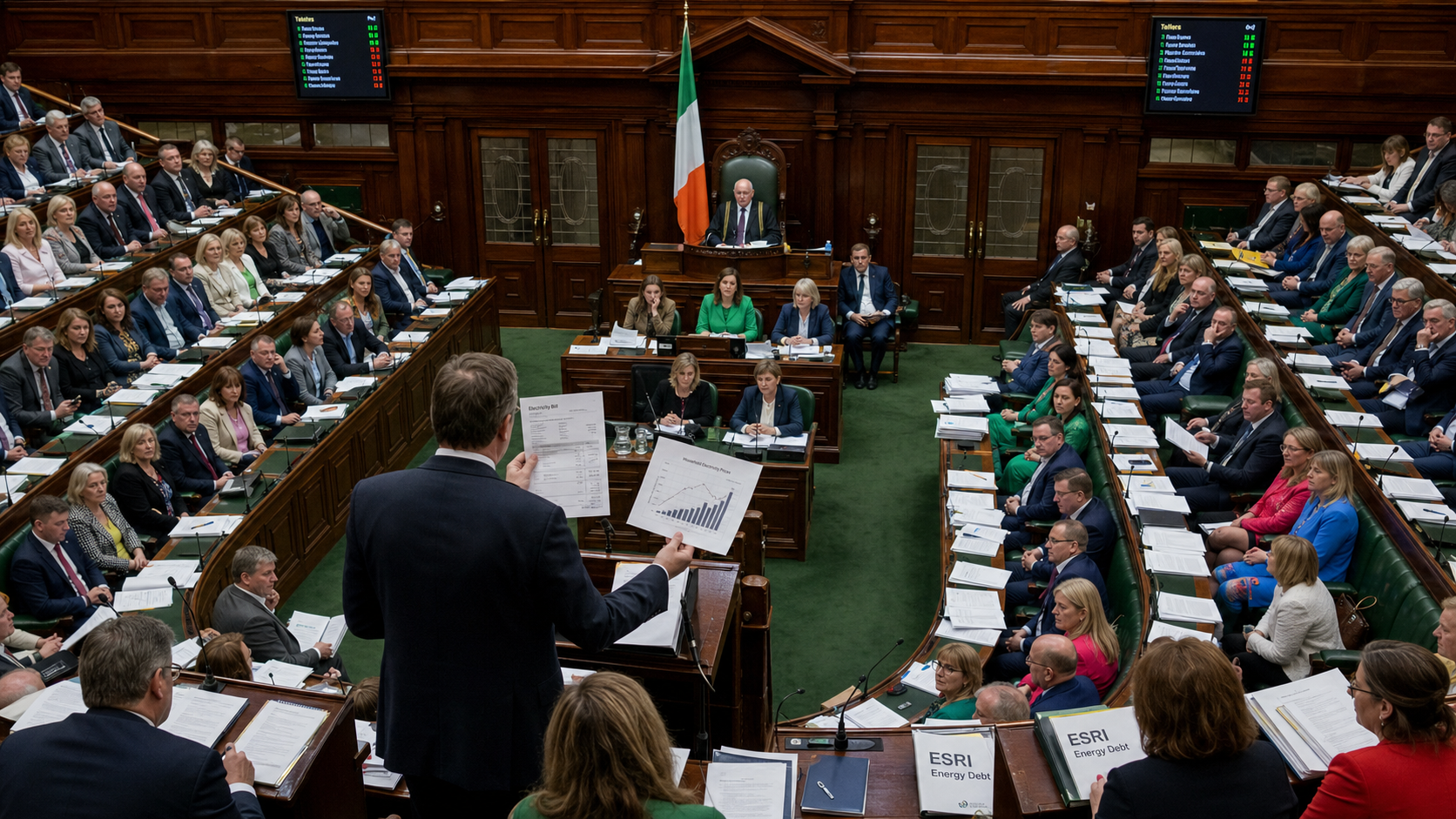
The Irish government survived a confidence vote on 14 April by 92 votes to 78 following weeks of nationwide fuel protests triggered by soaring prices driven by the Iran war, but the political and economic fallout from the crisis continues to reverberate as supply chains slowly recover and the Taoiseach faces renewed pressure over the adequacy of the government's response to the cost-of-living emergency.
Background
The 2026 Irish fuel protests began on 7 April, triggered by a rapid escalation in fuel prices following the outbreak of the Iran war and the disruption to oil supplies through the Strait of Hormuz. Between the war's onset and the protests, diesel prices in Ireland surged by approximately 28% and petrol prices by 25% — increases that fell disproportionately on farmers, hauliers, and other transport-dependent workers who had already been struggling with rising costs.
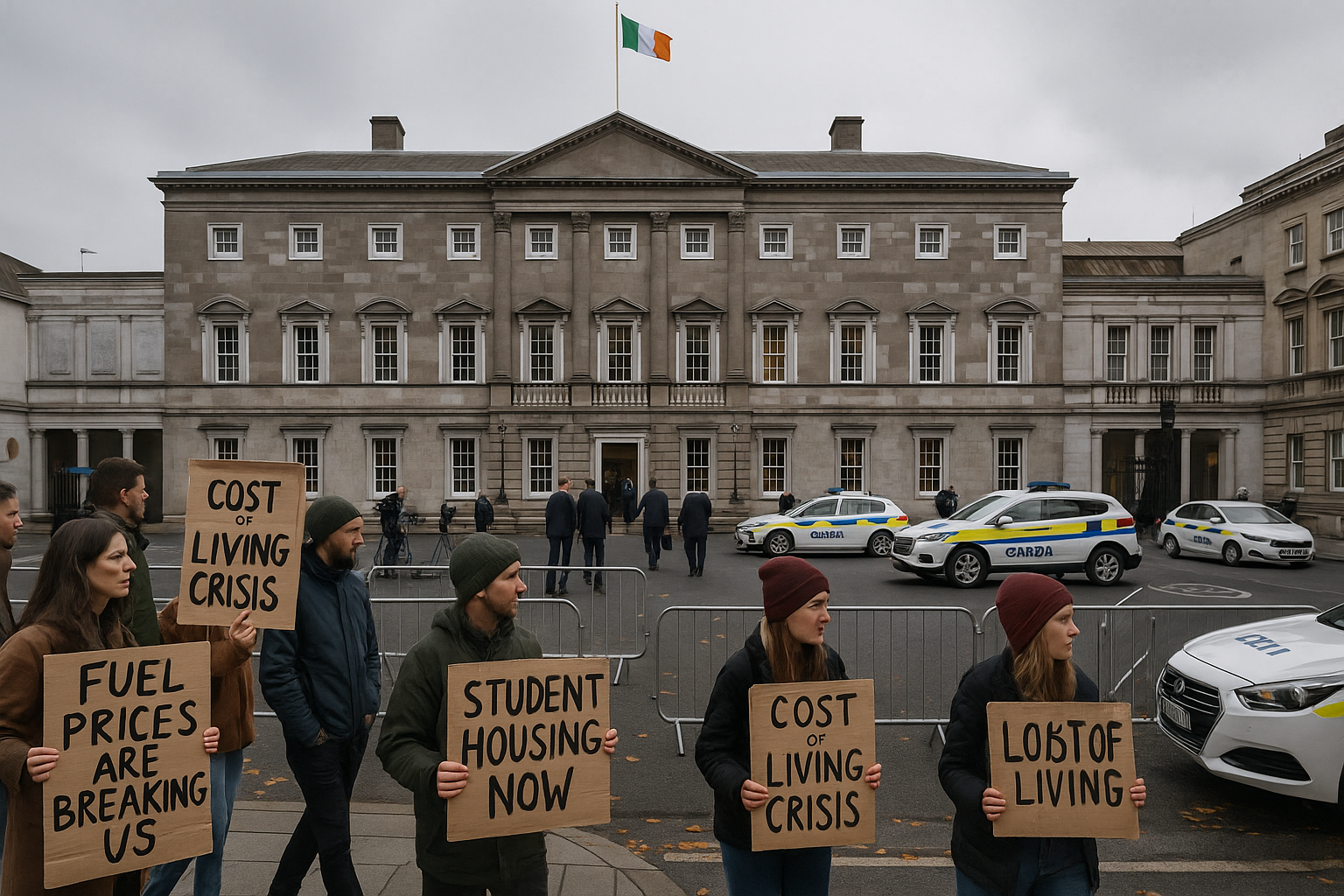
The protests, which involved convoys and road blockades across the country, caused extensive disruption to transport networks, fuel supply chains, and economic activity. Key locations affected included the M50 motorway in Dublin, O'Connell Street, and fuel depots in counties Galway, Limerick, and Cork, including the Whitegate oil refinery. The government had introduced a €250 million package in March 2026 to reduce petrol and diesel prices, but protesters deemed these measures insufficient given the scale of the price increases.
The resignation of Micheal Healy-Rae as Minister of State at the Department of Agriculture, Food and the Marine — who stated that the Taoiseach's response was "not understanding" and that the government had "lost the people" — added political drama to an already volatile situation. Taxes accounted for approximately 57% of petrol and 48% of diesel prices, according to AA Ireland, fuelling demands for tax reductions that the government has been reluctant to grant on a permanent basis.
Key Developments
The confidence vote on 14 April passed with 92 votes in favour of the government and 78 against — a margin that, while comfortable, was narrower than the government's nominal majority and reflected the depth of discontent within the Dáil over the handling of the crisis. By 13 April, major routes had been largely cleared, though around 650 filling stations still lacked fuel, and supply chains were expected to take days to normalise.
The arrest of Daniel Kinahan — the suspected leader of the Kinahan Organised Crime Group — in Dubai on 15 April, with extradition to Ireland anticipated, provided a brief moment of positive news for the government. However, the broader economic picture remains challenging: the government is set to withdraw state accommodation for 16,000 Ukrainians, provisional liquidators have been appointed to 13 construction companies, and emergency doctors have called for urgent action to address road fatalities.
Irish financial services firms have identified cyber attacks and system outages as their primary operational threat in 2026, according to a Compliance Institute survey of over 150 experts — a concern that has been heightened by high-profile incidents including a significant cyber attack on Marks & Spencer in April 2025 that cost the company £136 million in lost profits.
Why It Matters
The fuel protests and their aftermath reveal the fragility of the Irish government's political position at a time of multiple simultaneous crises. The confidence vote was survived, but the margin was uncomfortably close for a government that had entered 2026 with a working majority. The underlying issues — high fuel prices, a housing crisis that shows no sign of abating, and a cost-of-living squeeze that is affecting households across the income spectrum — have not been resolved by the confidence vote.
For context, Ireland's housing crisis is among the most severe in Europe. The median housing price is €381,000, with Dublin's median at €495,000 — approximately 30% above the national figure. Property prices grew by 7.3% year-on-year as of late 2025, and the number of new homes completed in 2025 was around 35,000 — significantly below the 50,000-60,000 units needed annually to meet demand. The fuel protests added a new dimension to public discontent, demonstrating that the government's difficulties extend beyond housing to the broader cost of living.
Local Impact
The fuel protests had a direct impact on communities across the island of Ireland, including in Northern Ireland, where supply chains are interconnected with those in the Republic. Filling stations in border counties on both sides experienced shortages as the protests disrupted distribution networks. In Belfast, where many residents cross the border regularly for fuel and shopping, the disruption was felt acutely. The Dáil committee meeting on student accommodation on Tuesday 28 April — addressing the severe pressure on student rental housing — is a further reminder that the housing crisis, which affects students across the island, remains unresolved.
What's Next
The Dáil's Joint Committee on Housing, Local Government and Heritage meets today to discuss the delivery of student-specific accommodation, with representatives from the Department of Further and Higher Education and the Residential Tenancies Board. The government's response to the fuel crisis — including any further measures to reduce prices — is expected to be outlined in the coming weeks. Watch for the next set of CSO inflation figures, which will show whether the fuel price surge has begun to moderate as supply chains recover. The Kinahan extradition process from Dubai will also be closely watched.
Sources: RTÉ News, Oireachtas