Dublin Rioter Spared Jail After Claiming He Was ‘Caught Up in the Momentum’
A man who took part in the violent Dublin riots of November 2023 has avoided a jail sentence after a judge accepted his claim that he was “caught up in the momentum” of the disorder. The ruling has been met with a mixed reaction, with some welcoming it as a compassionate and proportionate response, while others have criticised it as being too lenient.
Background
The Dublin riots were some of the worst scenes of public disorder seen in the city for many years. The violence erupted following a stabbing incident outside a school on Parnell Square, which left three children and a care worker injured. A small group of far-right agitators used the incident to whip up anti-immigrant sentiment, and they organised a protest that quickly descended into violence. For several hours, a mob of several hundred people ran amok in the city centre, looting shops, setting fire to vehicles, and clashing with Gardaí.
The riots sent a shockwave through Irish society and led to a major debate about the rise of the far-right, the role of social media in spreading disinformation, and the adequacy of the Gardaí’s response. The government has since announced a number of measures to tackle the far-right, including new legislation on hate speech and a review of public order policing.
Key Developments
The man who was spared a jail sentence was one of dozens of people who were arrested in connection with the riots. He was charged with a number of public order offences, including violent disorder and criminal damage. The court heard that he had been drinking in the city centre on the day of the riots and that he had joined the protest after seeing it on social media. He claimed that he had not intended to get involved in any violence, but that he had been “caught up in the momentum” of the crowd.
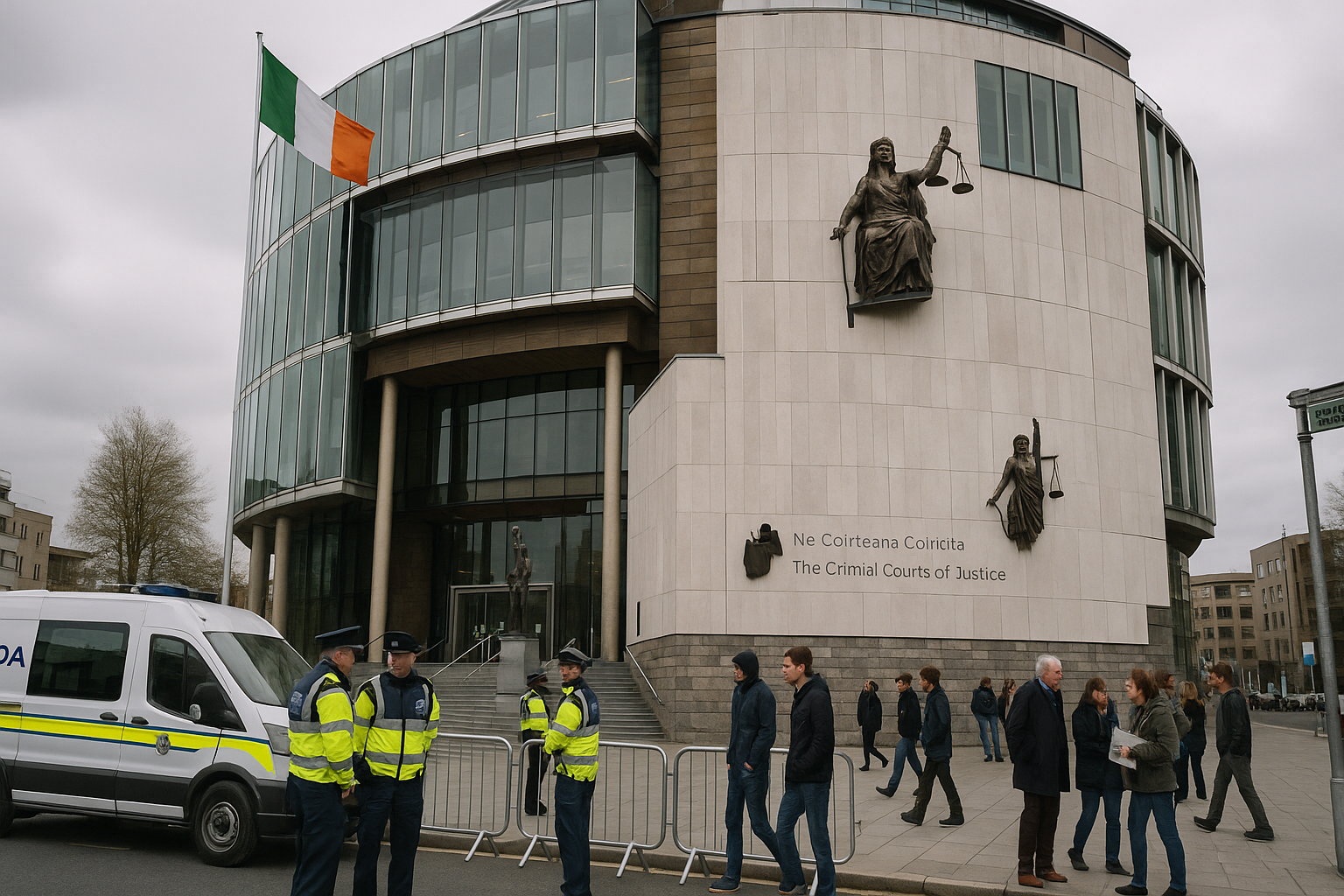
The judge in the case said that he was taking into account the man’s early guilty plea, his previous good character, and his expression of remorse. He said that he believed that the man was not a hardened criminal and that he had made a “stupid mistake.” He sentenced the man to a period of probation and ordered him to pay compensation for the damage he had caused. The ruling has been welcomed by some as a sign that the courts are willing to take a nuanced and individualised approach to sentencing. However, others have argued that it sends the wrong message and that it fails to reflect the seriousness of the man’s actions.
Why It Matters
The sentencing of the Dublin rioters is a matter of significant public interest. The riots were a traumatic event for the city, and there is a strong desire for justice to be done. The courts have a difficult balancing act to perform. On the one hand, they need to send a clear message that violence and public disorder will not be tolerated. On the other hand, they need to take into account the individual circumstances of each case and to ensure that the punishment fits the crime. The ruling in this case is likely to be seen as a test case, and it will be closely watched by those who are awaiting trial for their part in the riots.
Local Impact
The Dublin riots had a major impact on the city, both economically and socially. The damage to property was estimated to be in the millions of euros, and the reputational damage to the city was significant. The riots also created a great deal of fear and anxiety, particularly among immigrant communities, who were the main target of the far-right’s hate-filled rhetoric. The healing process is still ongoing, and the sentencing of the rioters is an important part of that process. For the people of Belfast and other cities in Northern Ireland who have experienced their own share of public disorder, the events in Dublin will have been a sobering reminder of the fragility of peace and the dangers of extremism.
What's Next
The trials of the other people who were arrested in connection with the Dublin riots are expected to take place in the coming months. The Gardaí have said that they are continuing to investigate the riots and that they expect to make more arrests. The government is also pressing ahead with its plans to introduce new legislation to tackle the far-right. The hope is that the lessons of the Dublin riots will be learned and that steps can be taken to prevent a similar event from happening again.
Attribution: The Irish Times, An Garda Síochána