Tributes Pour In for Jim McDowell, Fearless Northern Irish Journalist Who Died Aged 76
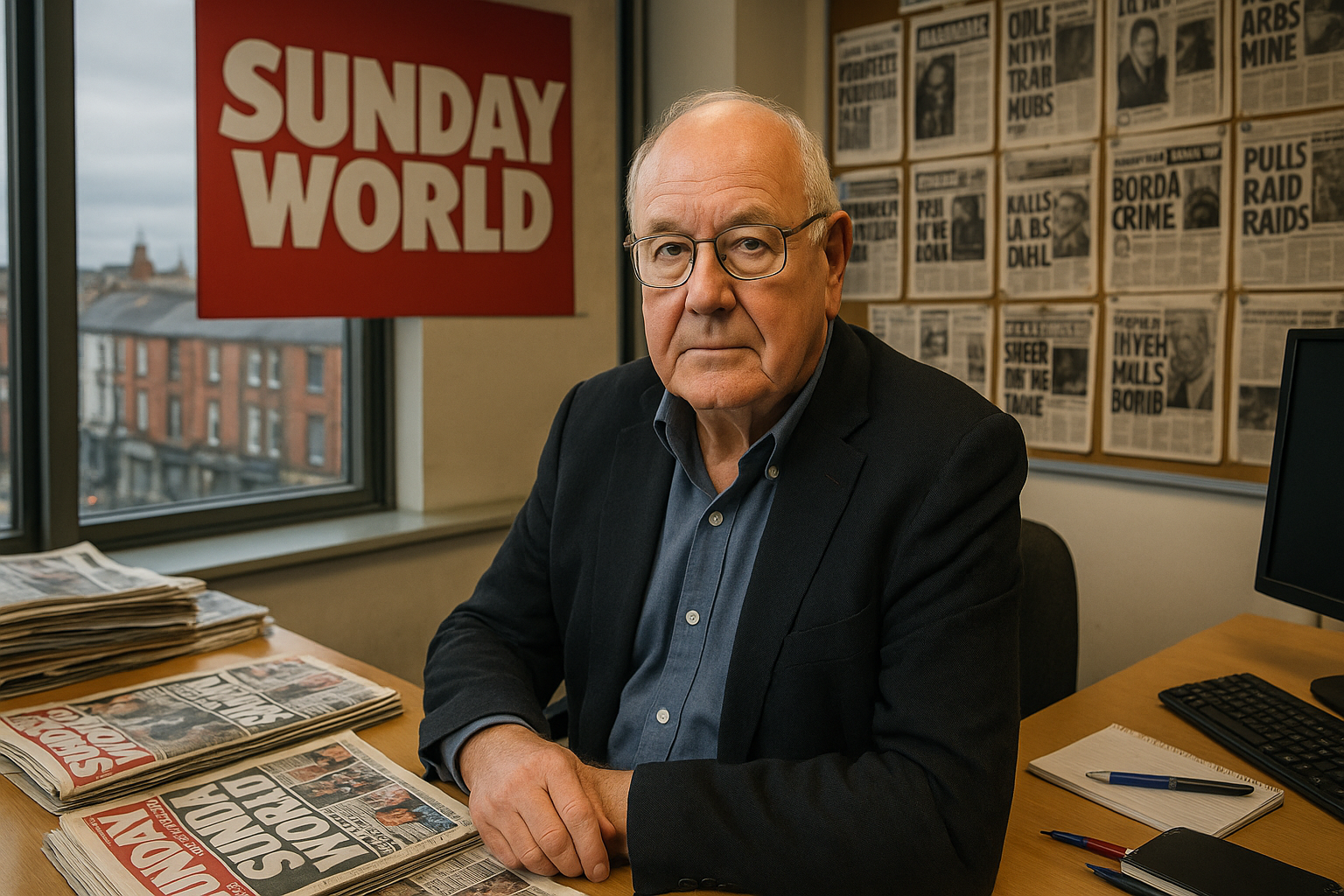
The Northern Irish journalism community is mourning the loss of Jim McDowell, the veteran Sunday World northern editor who spent 25 years fearlessly exposing paramilitarism, criminality, and drug dealing during and after the Troubles — and who received more than 20 death threats during his career. McDowell, who died on 24 April 2026 at the age of 76, was remembered by colleagues as a "legend", a "powerhouse", and a man who lived by the motto: "Never look back, never step back and we are not bate yet."
Background
Jim McDowell was one of the most prominent and respected journalists in Northern Ireland, known for his distinctive deep Belfast accent, his weekly column blending humour with hard-hitting analysis, and his absolute refusal to be intimidated by those he reported on. He began his journalistic career at the News Letter and also worked at the now-defunct Sunday News, where he served as editor, before joining the Sunday World as its northern editor — a role he held for 25 years until his retirement in 2015.
Throughout his career, McDowell covered some of the most significant and dangerous events of the Troubles, including Bloody Friday in Belfast in 1972 and the Milltown Cemetery shootings in 1988. He reported fearlessly on paramilitarism, criminality, and drug dealing from all sides of the conflict, receiving more than 20 official police warnings regarding threats to his life from both loyalist and republican organisations. In 2009, he was attacked in Belfast city centre by drug dealers, sustaining injuries to his head, arms, and legs — an assault that did nothing to diminish his resolve.
McDowell was also a tireless campaigner for justice for his Sunday World colleague Martin O'Hagan, who was shot and killed by the Loyalist Volunteer Force on 28 September 2001 in front of his wife in their hometown of Lurgan, after a series of exposés on the LVF's criminal activities. O'Hagan's murder — the first killing of a journalist in Northern Ireland during the Troubles — sent a chill through the journalistic community. To this day, no one has been convicted of his murder, a fact that the National Union of Journalists has described as a "stain on policing history in Northern Ireland."
Key Developments
McDowell passed away on 24 April 2026 at the age of 76. He is survived by his wife Lindy, who is also a journalist and columnist for the Belfast Telegraph, his daughter Faye, sons Jamie and Micah, grandchildren Niamh, Ewan, and Marlenka, and his brother Tom. A funeral service was held at St George's Church of Ireland in Belfast on Saturday, 2 May.
Tributes poured in from across the journalism community and beyond. Séamus Dooley, NUJ assistant general secretary, remembered McDowell as "stubborn, tenacious and brave" — a man who "faced down the enemies of journalism." Brian Rowan, former BBC security editor, described him as a "legend" who was "hard as nails" and who "fought with people and he fought for people." Richard Sullivan, his successor at the Sunday World, called him a "powerhouse" who "shaped journalism in the North." Edward McCann, head of Mediahuis in Northern Ireland, praised him as a "towering figure in journalism" who worked fearlessly to expose criminality.
Why It Matters
Jim McDowell's death marks the passing of a figure who embodied a particular and vital tradition of Northern Irish journalism — one that refused to be silenced by threats, violence, or intimidation. In a society emerging from conflict, the role of journalists willing to hold paramilitaries and criminals to account was not merely important but genuinely dangerous. McDowell understood that danger and accepted it as the price of doing his job with integrity. His decades of reporting helped shine a light into some of the darkest corners of Northern Irish society, and his campaign for justice for Martin O'Hagan kept alive a cause that the authorities had too long allowed to languish. The NUJ's description of the failure to convict O'Hagan's killers as a "stain on policing history" is a reminder that McDowell's work remains unfinished.
Local Impact
For Belfast and Northern Ireland, Jim McDowell was more than a journalist — he was an institution. His voice, his column, and his presence in the newsroom were constants in a society that experienced extraordinary upheaval over the course of his career. The many journalists he mentored and inspired will carry his legacy forward, and his example — of courage, tenacity, and an unshakeable commitment to the truth — will continue to set the standard for journalism in this part of the world. His death is a profound loss for the profession and for the communities he served so faithfully for so many decades.
What's Next
McDowell's legacy will endure through the journalists he mentored and through his decades of fearless reporting. The campaign for justice for Martin O'Hagan, which McDowell championed throughout his retirement, continues. The NUJ and Amnesty International have both called for an independent investigation into O'Hagan's murder, and that call will not be silenced by McDowell's passing. If anything, his death will renew the determination of those who believe that the killing of a journalist must never be allowed to go unpunished.
Sources: BBC News — Jim McDowell Obituary, National Union of Journalists — Tribute to Jim McDowell, BBC News — Martin O'Hagan: Police Did Not Act on Murder Tip-Off