Alliance Calls for Urgent Healthcare Reform as Belfast Emergency Department Waiting Times Surge
Alliance Party health spokesperson Danny Donnelly MLA has called for urgent healthcare reform in Northern Ireland following a surge in Emergency Department waiting times across Belfast's hospitals, warning that patients are at risk and frontline staff are under unsustainable pressure. The call comes as the latest data confirms that Northern Ireland's health service continues to record some of the worst emergency waiting times in the United Kingdom.
Background
Northern Ireland's Health and Social Care system has been under sustained pressure for several years, with Emergency Department waiting times consistently among the worst in the United Kingdom. Operating separately from NHS England, the Northern Ireland health service faces a distinct set of challenges: chronic underfunding relative to need, severe workforce shortages exacerbated by difficulties in recruiting and retaining clinical staff, and a growing backlog of elective procedures that was significantly worsened by the Covid-19 pandemic and has never fully recovered.
The four-hour target — under which 95% of patients attending Emergency Departments should be seen, treated, and either admitted or discharged within four hours — has not been met in Northern Ireland for many years. The Royal Victoria Hospital and Belfast City Hospital, the two major acute hospitals serving the greater Belfast area, have both reported sustained periods of extreme pressure, with patients sometimes waiting more than 12 hours for a bed. Ambulance handover delays, where crews are unable to transfer patients to Emergency Department staff because of a lack of capacity, have also become a regular occurrence, reducing the service's ability to respond to new emergencies in the community.
The structural causes of the crisis are well understood: an ageing population with increasingly complex health needs, insufficient investment in community and primary care services to reduce pressure on hospitals, and a workforce that has been depleted by years of pay disputes, burnout, and emigration of trained clinicians to better-paid positions in Great Britain and the Republic of Ireland. As BBC Northern Ireland has reported, the situation has been described by senior clinicians as unsustainable.
Key Developments
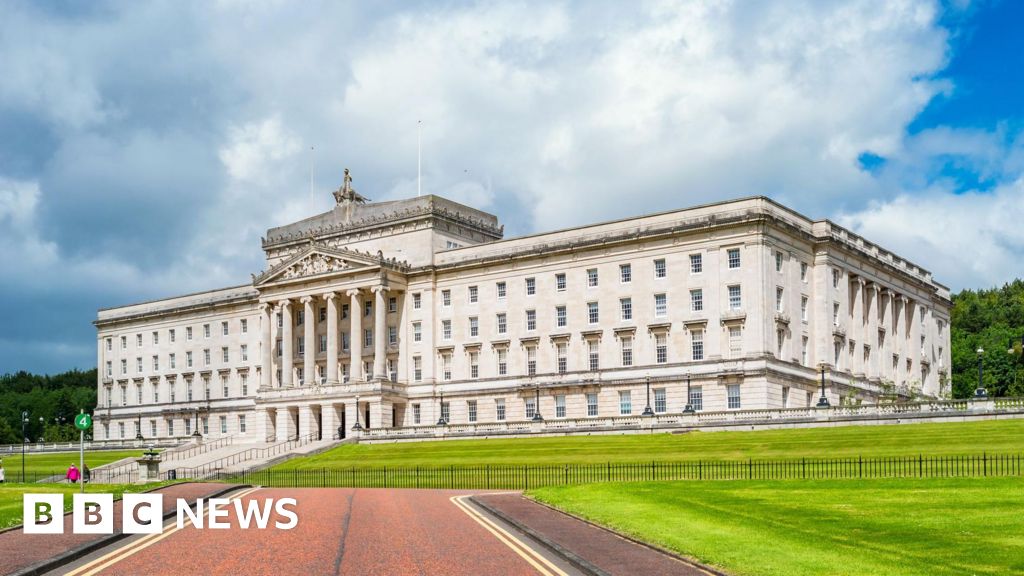
Alliance Health spokesperson Danny Donnelly MLA issued an urgent call for healthcare reform on 24 April 2026, following the latest data showing a significant surge in Emergency Department waiting times across Belfast's hospitals. Donnelly warned that the situation was becoming critical and called on the Stormont Executive to prioritise health service reform as a matter of urgency, arguing that incremental measures were no longer sufficient and that a fundamental restructuring of how health and social care is delivered in Northern Ireland was required.
The call for reform comes as the broader UK health picture shows similar pressures, with NHS England reporting that over 38% of patients attending A&E are waiting longer than four hours — far from the 95% target. In Northern Ireland, the situation is generally considered more acute. The Alliance Party has also proposed at Belfast City Hall that the council explore ways to introduce more stoma-friendly public toilets in Belfast, reflecting a broader push by the party to improve health-related public infrastructure. Separately, local politicians at City Hall have given approval for drug and pill testing facilities at major events in Belfast, with a feasibility study to be conducted.
Health Minister Mike Nesbitt has acknowledged the severity of the situation and has indicated that reform proposals are being developed, but critics argue that the pace of change is far too slow given the scale of the crisis. The Stormont Executive's ability to deliver meaningful reform is constrained by a budget that health economists say is insufficient to meet the needs of Northern Ireland's population, and by the political dynamics of a power-sharing government in which consensus across parties is required for major policy decisions. As the Department of Health Northern Ireland has acknowledged, the pressures on Emergency Departments are expected to intensify further without structural intervention.
Why It Matters
Long waits in Emergency Departments are not merely an inconvenience — they are associated with measurably worse patient outcomes, including higher mortality rates for time-sensitive conditions such as heart attacks, strokes, and sepsis. For Belfast residents, the surge in waiting times means that accessing urgent care is becoming increasingly difficult and, in some cases, dangerous. The pressure on frontline staff is equally serious: nursing and medical staff working in chronically understaffed, overcrowded Emergency Departments face higher rates of burnout, mental health difficulties, and early career exit — creating a vicious cycle in which workforce shortages worsen the very conditions that drive staff away.
Healthcare reform in Northern Ireland requires cross-party support at Stormont, making the political dynamics particularly challenging. The Alliance Party's call for urgent action reflects a growing consensus among health professionals and patient advocates that the current trajectory is unsustainable, but translating that consensus into concrete policy change has historically proven difficult in Northern Ireland's complex political environment.
Local Impact
For the people of Belfast and the wider Northern Ireland population, the Emergency Department crisis has real and immediate consequences. Patients with serious but non-life-threatening conditions are routinely waiting many hours for assessment and treatment. Elderly patients, who are disproportionately represented in Emergency Department attendances, face particular risks from prolonged waits in busy, noisy environments. Families are reporting distressing experiences of watching loved ones deteriorate while waiting for care. Community and voluntary organisations working with vulnerable populations have raised concerns about the knock-on effects of Emergency Department overcrowding on mental health services, social care, and community support networks. The Alliance Party's call for reform has been welcomed by nursing unions and patient advocacy groups, who stress that the time for incremental change has passed.
What's Next
The Stormont Executive is expected to respond to the Alliance Party's call for reform in the coming weeks. Health Minister Mike Nesbitt is under pressure to outline a concrete plan for reducing Emergency Department waiting times, including measures to improve patient flow through hospitals, invest in community alternatives to Emergency Department attendance, and address the workforce crisis. The issue is likely to feature prominently in upcoming Stormont Assembly debates, and with public frustration at the state of Northern Ireland's health service running high, political pressure for meaningful action is unlikely to abate.