Belfast to Benefit From £50 Million Defence Deal as Thales and Harland & Wolff Lead Growth
Belfast's defence and aerospace sector is set for a significant boost following the UK government's announcement of a £50 million Defence Growth Deal for Northern Ireland, with Thales' East Belfast factory and Harland and Wolff's historic shipyard among the key beneficiaries of the investment. The deal, announced on 22 April 2026, is expected to create hundreds of highly-skilled jobs and establish Belfast as a centre of excellence for defence technology innovation.
Background
Northern Ireland's defence and aerospace sector already supports around 900 jobs and contributes over £270 million annually to the local economy — a figure that has grown significantly in recent years as global demand for defence equipment has increased in response to the changed security environment in Europe and the Middle East. The sector has deep roots in Belfast's industrial heritage, from the shipbuilding traditions of Harland and Wolff to the precision engineering capabilities that have made the city a hub for aerospace and defence manufacturing.
Thales' East Belfast factory has been at the forefront of this growth, producing NLAW anti-tank missile systems that have been widely used by Ukrainian forces in their defence against Russian aggression. The demand for NLAW missiles has led Thales to double production at the Belfast facility and plan to hire 300 new staff — a significant vote of confidence in the city's engineering talent and manufacturing capabilities. Harland and Wolff, the historic shipyard that built the Titanic and has been synonymous with Belfast's industrial identity for over a century, has also secured a naval support contract that forms part of the broader defence investment in Northern Ireland.
The Northern Ireland Defence Growth Deal is the fifth and final such deal launched under the UK's 2025 Defence Industrial Strategy, which sits within the government's commitment to the largest sustained increase in defence spending since the Cold War, targeting 2.6% of GDP by 2027. As the UK government confirmed, Northern Ireland secured one of only five such deals from a £250 million UK-wide fund — a recognition of the region's existing defence industrial strengths and its potential for further growth.
Key Developments
The £50 million Defence Growth Deal, announced at Belfast Metropolitan College, will fund a Secure Innovation Hub providing research and development environments for small and medium-sized enterprises (SMEs), alongside skills initiatives developed in partnership with colleges and universities across Northern Ireland. The hub is designed to make it easier for smaller Belfast-based businesses to enter the defence supply chain and develop dual-use technologies with both military and civilian applications — a model that has proven successful in other regions of the UK.
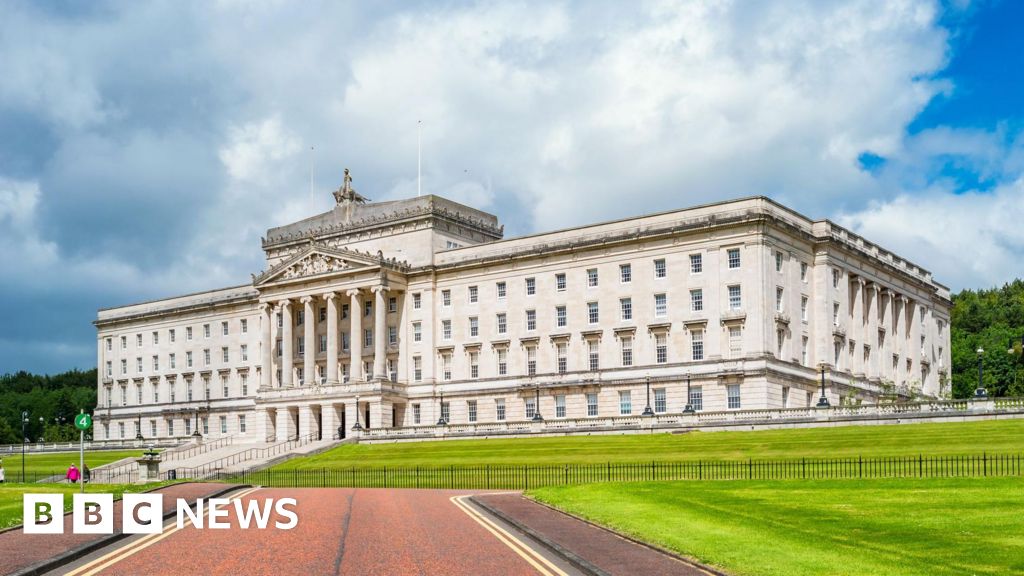
Defence Minister Luke Pollard and Northern Ireland Office Minister Matthew Patrick launched the deal, meeting with local industry representatives and academics at Belfast Met. DUP Leader Gavin Robinson MP welcomed the announcement as a "significant boost for local industry," noting that Northern Ireland had secured one of only five such deals from the UK-wide fund. However, the announcement exposed political divisions at Stormont, with Sinn Féin boycotting the launch and criticising the focus on defence spending over public services — a boycott that reflects the enduring sensitivity of defence and security issues in Northern Ireland's political landscape.
The Alliance Party and SDLP both welcomed the economic opportunity while calling for the Stormont Executive to engage constructively with the deal's implementation. Ulster Unionist Party leader Doug Beattie described the investment as "long overdue." As BBC Northern Ireland reported, the political row is expected to continue at Stormont in the coming weeks, though the UK government has indicated it will press ahead with implementation regardless.
Why It Matters
For Belfast, the Defence Growth Deal represents a significant economic opportunity, particularly for the city's engineering and technology graduates. The Secure Innovation Hub will provide a facility where SMEs can collaborate with larger defence firms on a more equitable footing, potentially spawning new Belfast-based defence technology companies that could grow into significant employers in their own right. The deal also reflects the UK government's recognition that Northern Ireland's defence industrial base is a genuine national asset — one that deserves investment and support as the UK increases its defence spending in response to a more dangerous world.
The political controversy surrounding the deal is also significant. Sinn Féin's boycott of the launch signals that the party will not facilitate the Executive's engagement with the deal's implementation, potentially complicating the skills and education programmes that depend on Stormont cooperation. The challenge for the UK government and for Stormont's pro-deal parties will be to ensure that the investment delivers on its promise despite the absence of Sinn Féin's active support — a challenge that is familiar in Northern Ireland's complex political environment but no less difficult for that.
Local Impact
For the people of Belfast, the Defence Growth Deal offers tangible benefits: new jobs in high-value engineering and technology roles, investment in skills and education, and the potential to attract further defence contracts to a city that has historically punched above its weight in advanced manufacturing. The Secure Innovation Hub, once operational, could become a focal point for collaboration between established defence primes like Thales, SMEs, and the region's universities — creating a cluster of defence technology expertise that could sustain Belfast's engineering economy for decades to come. For Harland and Wolff, the naval support contract represents a further step in the shipyard's ongoing revival, building on its proud maritime heritage while adapting to the demands of 21st-century defence procurement.
What's Next
The Secure Innovation Hub is expected to begin operations later in 2026, with skills programmes to be developed in collaboration with further education institutions including Belfast Metropolitan College. The political row over the deal is likely to continue at Stormont, with Sinn Féin expected to raise the issue in the Assembly in the coming weeks. The UK government has indicated it will press ahead with implementation regardless, working with willing partners in industry and academia to ensure the £50 million delivers maximum benefit for Belfast and Northern Ireland's economy. For Thales, Harland and Wolff, and the many SMEs that stand to benefit from the Secure Innovation Hub, the announcement marks the beginning of a new chapter in Belfast's defence industrial story.