Thousands More Irish People to Access Free Counselling as Government Expands Community Mental Health Services
Thousands more people across Ireland will be able to access free community-based counselling and talk therapy services following a significant expansion of the programme announced by Minister of State for Mental Health Mary Butler on August 3, in a development that mental health advocates have welcomed as a meaningful step toward addressing the chronic gap between the demand for psychological support and the services available to meet it.
Background
Ireland's mental health services have been the subject of sustained criticism for decades, with successive governments acknowledging the inadequacy of the system while struggling to deliver the investment and reform required to address it. The landmark policy document A Vision for Change, published in 2006, set out a comprehensive framework for the development of community-based mental health services, but its implementation has been slow and uneven, with significant regional variation in the availability and quality of services.
The Counselling in Primary Care (CIPC) programme, which provides free short-term counselling to adults with mild to moderate psychological difficulties who are referred by their GP, has been one of the more successful elements of the community mental health infrastructure. Since its establishment, the programme has provided access to counselling for hundreds of thousands of people who would otherwise have faced long waits for HSE psychology services or the cost of private therapy. However, the programme has consistently been oversubscribed, with waiting times in some areas extending to several months and with eligibility criteria that exclude some of those most in need.
The expansion announced by Minister Butler builds on the CIPC model, extending the range of services available and increasing the number of counsellors and therapists working within the community mental health system. The initiative reflects a growing recognition within government that the demand for psychological support in Ireland — driven by the legacy of the pandemic, the cost-of-living crisis, and the broader pressures of contemporary life — requires a response that goes beyond the existing infrastructure.
Key Developments
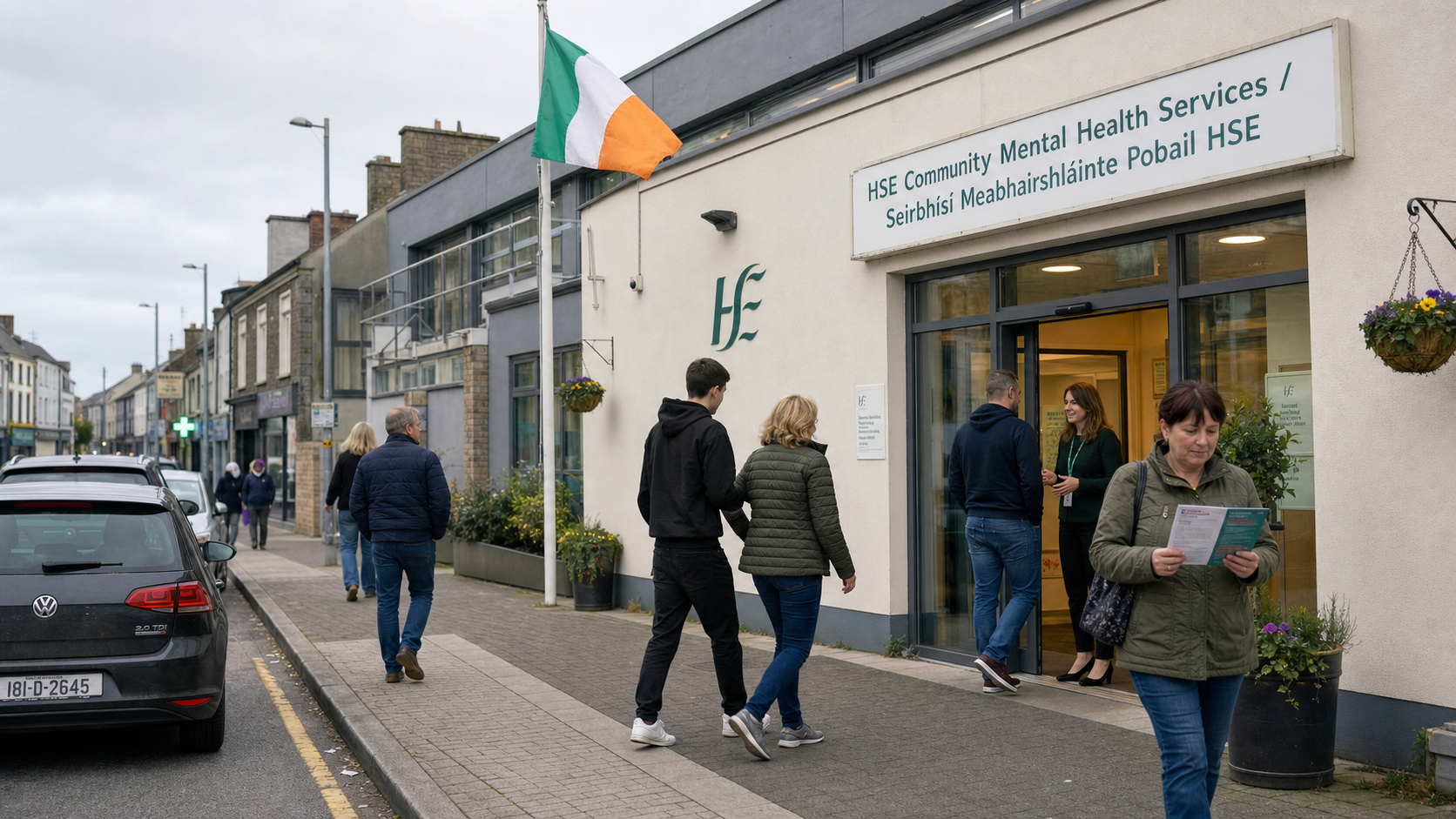
The expansion announced on August 3 will increase the number of counselling sessions available through the community mental health system, reduce waiting times for referrals, and extend the range of therapeutic approaches available to service users. The initiative includes additional funding for the CIPC programme, the expansion of the HSE's online counselling service, and the development of new community counselling hubs in areas where access to services has historically been most limited.
Minister Butler described the expansion as a recognition that mental health support should be available to everyone who needs it, regardless of their income or their location. She noted that the cost of private therapy — which can run to €80 or more per session — places it beyond the reach of many people on low or middle incomes, and that the expansion of free community services is essential to ensuring that mental health support is genuinely accessible rather than theoretically available.
The HSE has indicated that the additional counselling capacity will be delivered through a combination of directly employed counsellors and therapists and contracted services from the voluntary and community sector, which has a long track record of delivering high-quality mental health support in communities across Ireland. The expansion is expected to be fully operational by the end of 2026, with the new services available in all HSE regions.
Why It Matters
The expansion of community counselling services matters because it addresses one of the most significant gaps in Ireland's mental health infrastructure: the availability of timely, accessible, and affordable psychological support for people experiencing mild to moderate mental health difficulties. The evidence base for the effectiveness of counselling and talk therapy in this population is strong, and the cost-effectiveness of community-based intervention — compared to the much higher cost of inpatient or specialist care — is well-established. By investing in community services, the government is not merely addressing immediate need but potentially preventing the escalation of mental health difficulties to the point where more intensive and expensive interventions are required. For the thousands of people who will benefit from the expanded services, the announcement represents a meaningful improvement in their access to support at a time when they need it most.
Local Impact
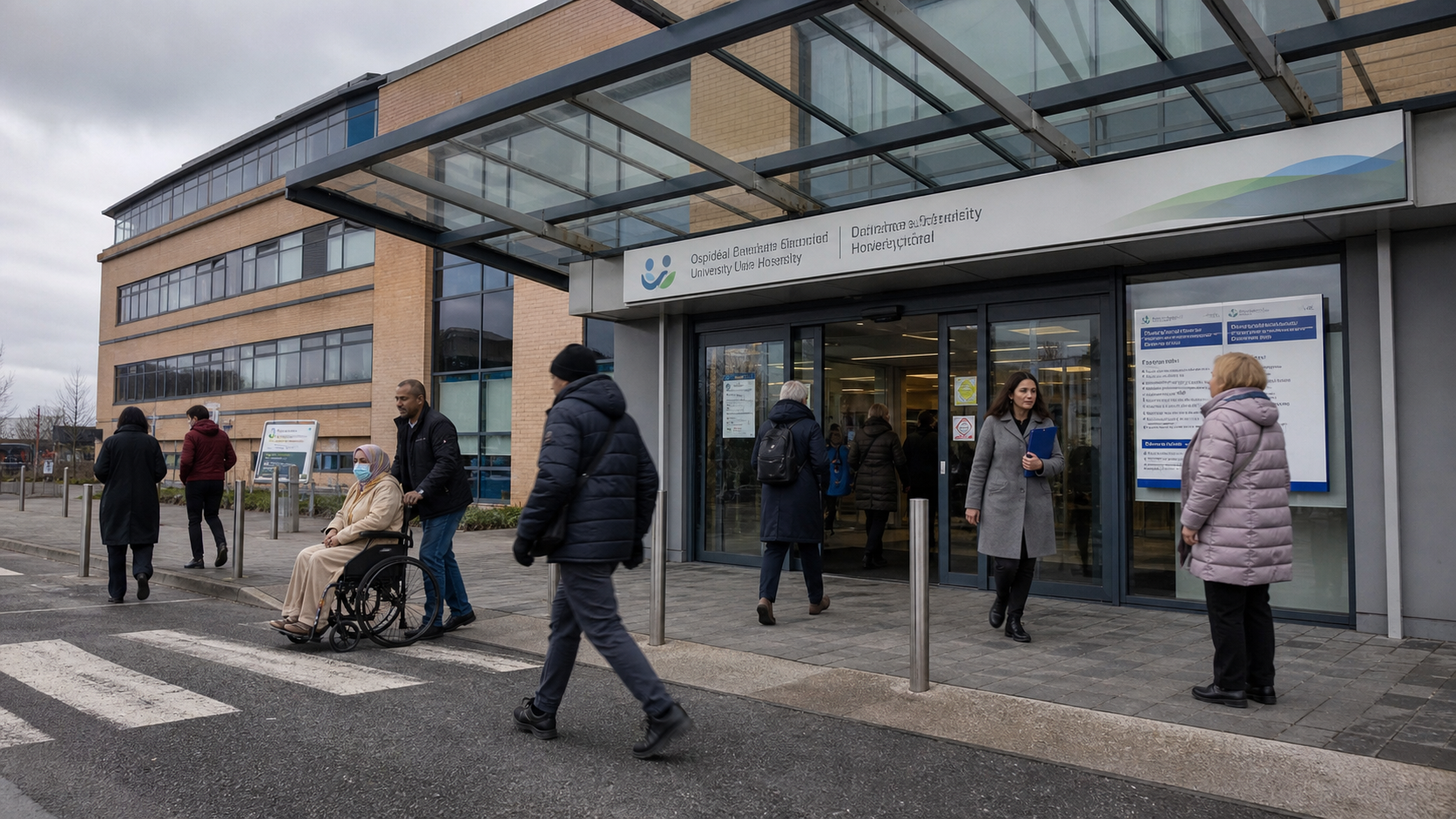
The expansion will be felt across all HSE regions, but the impact will be most significant in areas where access to mental health services has historically been most limited — rural communities in the west and midlands, urban areas with high levels of social deprivation, and communities with significant populations of migrants and asylum seekers who face additional barriers to accessing mainstream services. The HSE has indicated that the new community counselling hubs will be located in areas identified as having the greatest unmet need, and that particular attention will be paid to ensuring that services are accessible to people from diverse cultural and linguistic backgrounds. GP practices across Ireland, which serve as the primary referral point for the CIPC programme, have welcomed the expansion and have indicated that they will work with the HSE to ensure that patients who could benefit from the new services are identified and referred promptly.
What's Next
The HSE will publish a detailed implementation plan for the expansion in the coming weeks, setting out the timeline for the rollout of new services and the targets for waiting time reduction. The Department of Health has indicated that the expansion will be subject to ongoing monitoring and evaluation, with a formal review of its impact scheduled for mid-2027. Minister Butler has also signalled that the government is committed to further investment in community mental health services in Budget 2027, building on the expansion announced this week. The Irish Association for Counselling and Psychotherapy, which represents the majority of counsellors and therapists working in Ireland, has welcomed the announcement and has indicated that it will work with the HSE to ensure that the additional capacity is delivered to the highest professional standards.