Stormont Row Erupts as 300 Jobs Lost After Sinn Féin Meeting Collapsed Cantor Fitzgerald Deal
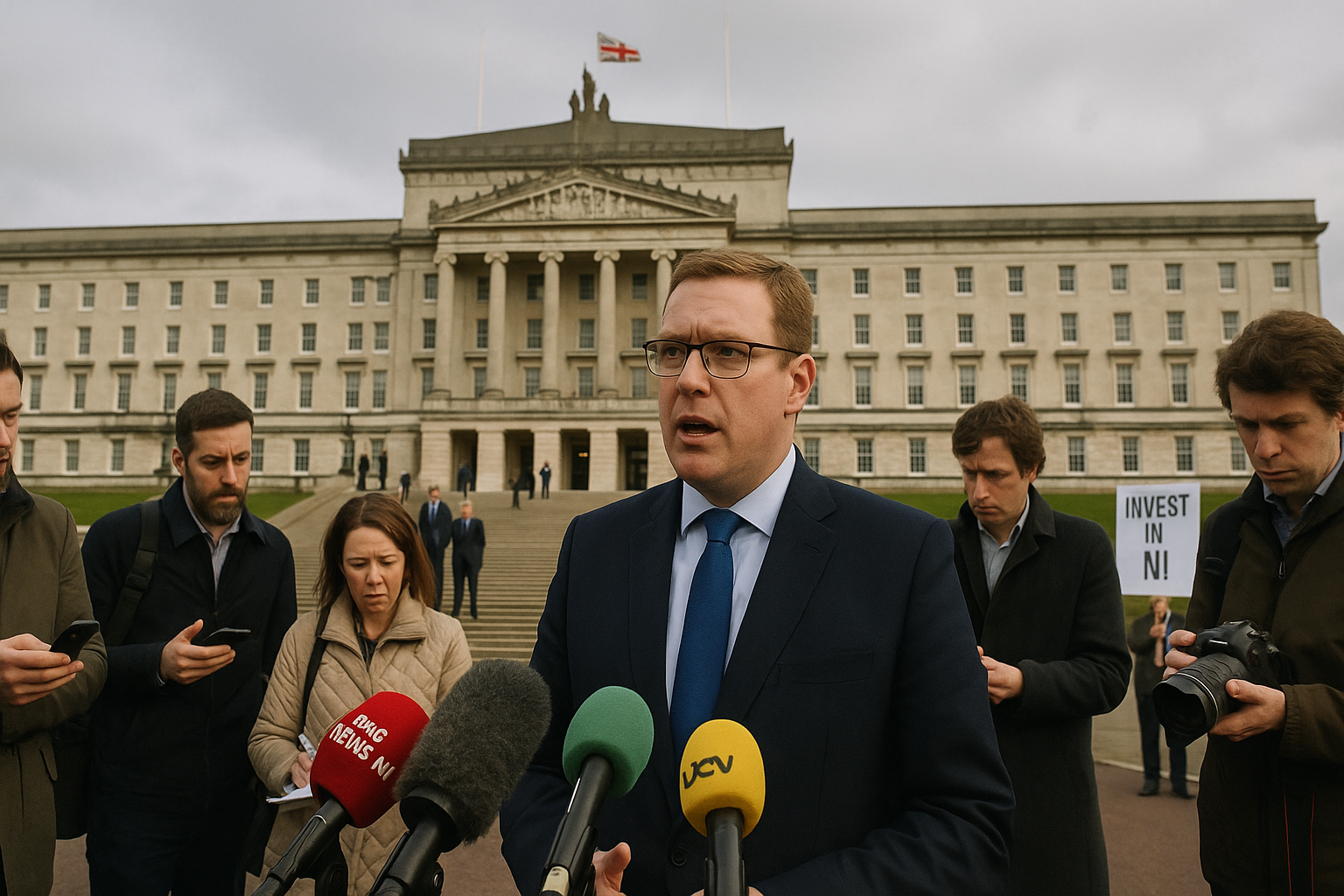
A major political row has erupted at Stormont after it emerged that a deal with a Wall Street bank to create 300 jobs in Northern Ireland collapsed following a meeting with a Sinn Féin minister. DUP Leader Gavin Robinson has accused Sinn Féin of "contradictions" and a lack of transparency, citing documents that reveal over a year of negotiations with US investment firm Cantor Fitzgerald were abruptly terminated. The revelations have sparked a furious debate over the Executive's handling of foreign investment and its commitment to job creation.
Background
For more than a year, officials from Stormont's Department for the Economy had been in sensitive negotiations with Cantor Fitzgerald, a prominent Wall Street financial services firm. The proposed deal involved the bank establishing a major new hub in Northern Ireland, which was projected to create approximately 300 high-value jobs in the financial services sector. The investment was seen as a significant vote of confidence in the post-Brexit Northern Ireland economy and would have provided a major boost to the region. The negotiations were reportedly at an advanced stage, with significant groundwork having been laid by civil servants to secure the project.
Key Developments
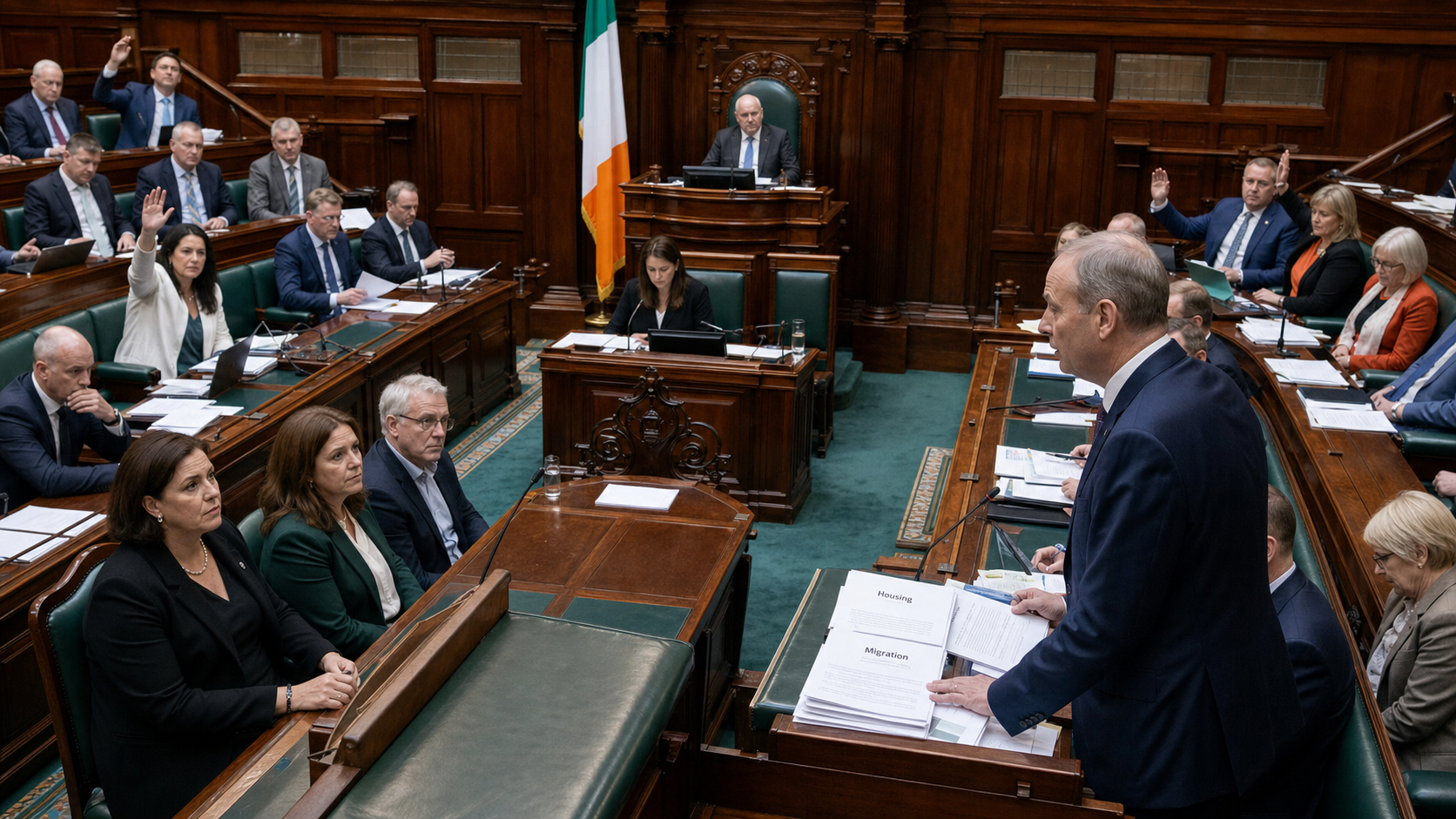
According to documents brought to light this week, the promising negotiations came to a sudden halt. The collapse reportedly occurred immediately after a crucial and abrupt meeting between representatives from the bank and Sinn Féin's Deirdre Hargey, who was the Economy Minister at the time. The exact details of what was said in the meeting remain undisclosed, but sources close to the negotiations suggest the outcome led Cantor Fitzgerald to withdraw its interest. DUP Leader Gavin Robinson seized on the revelations, accusing Sinn Féin of hypocrisy. He contrasted their alleged role in the deal's collapse with their public championing of the A5 road upgrade, another major infrastructure project. "Sinn Féin's contradictions are clear for all to see," Robinson stated in the Assembly. "On one hand, they demand progress on major projects, while on the other, their actions appear to have cost this country 300 vital jobs." Sinn Féin has yet to provide a detailed response to the specific allegations regarding the meeting. Source: Belfast Telegraph.
Why It Matters
The loss of 300 potential jobs from a world-renowned firm like Cantor Fitzgerald is a significant blow to Northern Ireland's economic ambitions. It raises serious questions about the political stewardship of the economy and the ability of the Stormont Executive to attract and retain foreign direct investment. The incident risks sending a negative signal to other potential international investors, suggesting that political instability or ministerial intervention can derail even the most promising projects. At a time when the local economy is facing challenges, the failure to secure such a significant investment is a major setback. It also fuels the deep-seated political mistrust between the DUP and Sinn Féin, potentially harming the fragile working relationship within the power-sharing government and impacting its ability to deliver on key economic priorities for the region.
Local Impact
For the local workforce, particularly graduates and professionals in the finance and tech sectors, this represents a significant missed opportunity. The 300 jobs would have provided well-paid, skilled employment, helping to retain talent that might otherwise move to Dublin, London, or further afield. The news has been met with disappointment and frustration in the business community, which has long called for a more stable and pro-enterprise approach from Stormont. The incident underscores the real-world consequences of political discord, translating abstract political battles into tangible losses for the local economy and its people. It reinforces a narrative of political dysfunctionality that many in Northern Ireland are desperate to move beyond.
What's Next
There will be intense pressure on Sinn Féin and the former minister, Deirdre Hargey, to provide a full account of the meeting with Cantor Fitzgerald and explain why the deal collapsed. The DUP and other opposition parties are likely to call for a full inquiry by the Assembly's Economy Committee to scrutinise the handling of the entire process. The current Economy Minister, Conor Murphy, will also face questions about what steps are being taken to repair the damage and reassure the international investment community. The fallout from this row could have lasting implications for the stability of the Executive and its perceived competence in managing the economy. Read the full story at the Belfast Telegraph.