Stormont Reform Debate Intensifies as Sinn Féin Pushes to Abolish Executive Veto Powers
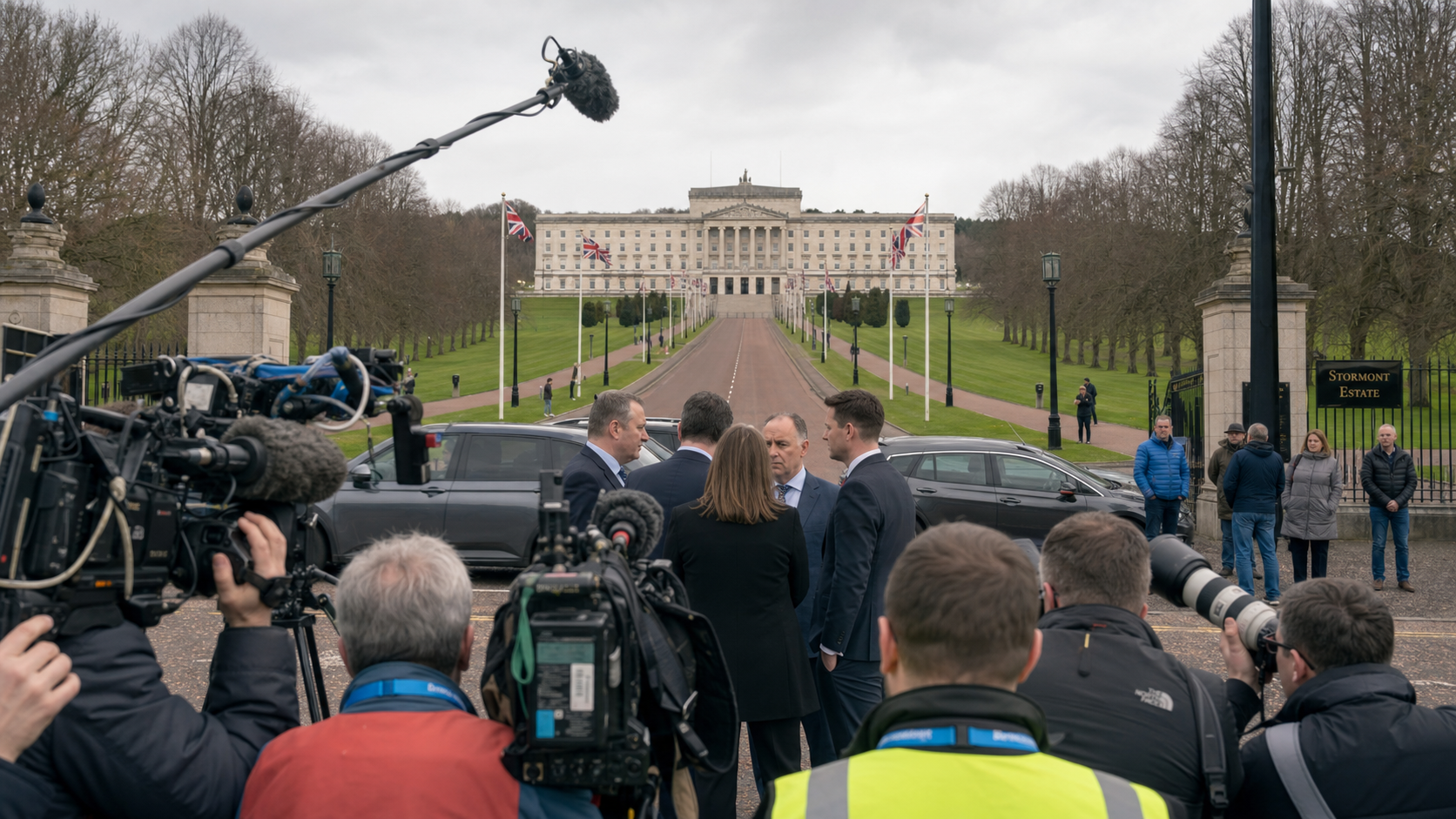
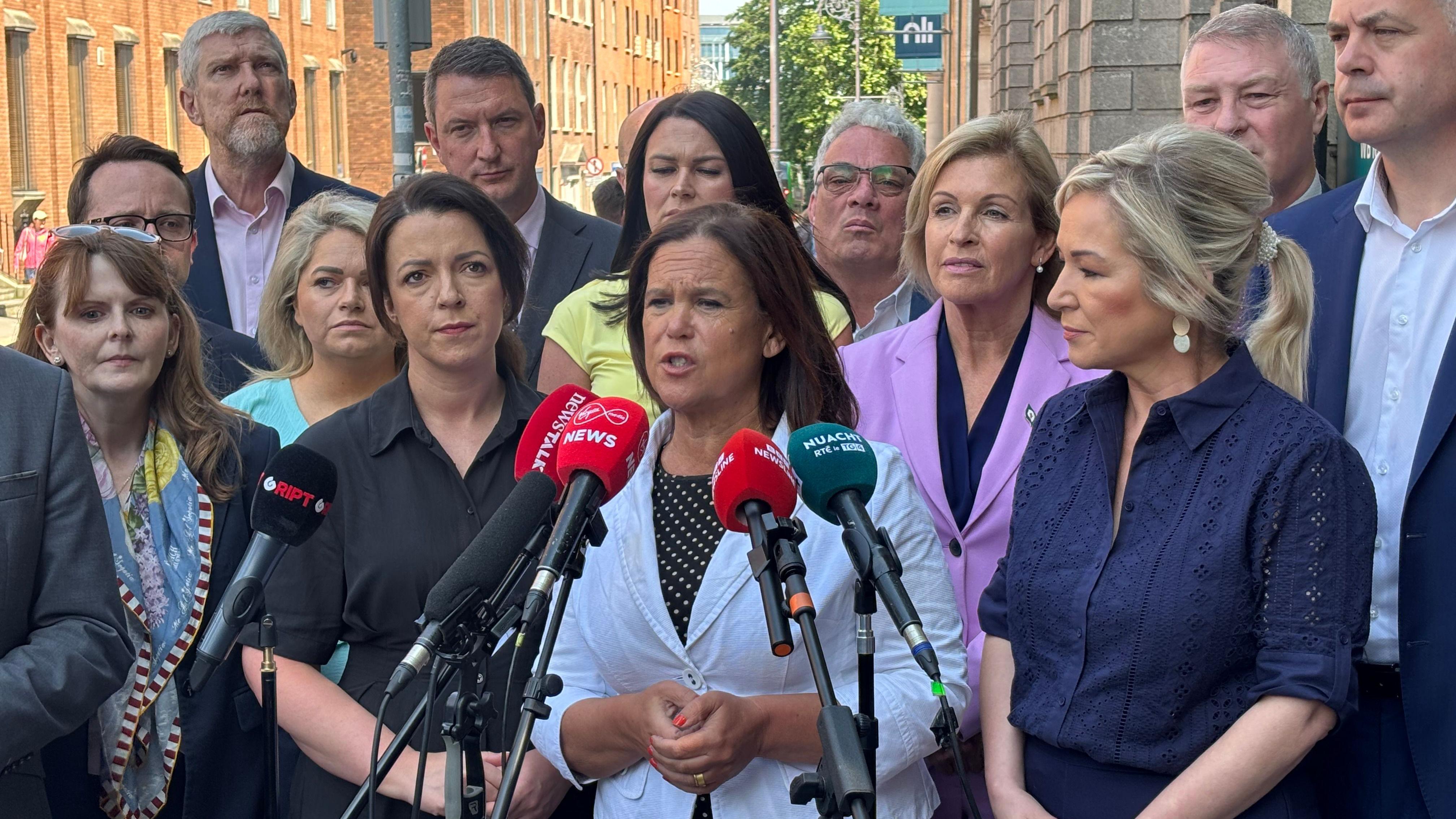
Political debate in Northern Ireland is intensifying around Sinn Féin's proposals to fundamentally reform the Stormont institutions by eliminating the veto power held by the largest nationalist and unionist parties, with the DUP expressing scepticism, the Alliance Party issuing a stark warning about its future participation in the Executive, and the debate unfolding against the backdrop of complex multi-year budget negotiations with the UK government.
Background
The Stormont institutions — the Northern Ireland Assembly and the power-sharing Executive — were established under the terms of the 1998 Good Friday Agreement as a mechanism for governing Northern Ireland through mandatory coalition between unionist and nationalist parties. The system was designed to ensure that neither community could be excluded from government, a crucial safeguard in the immediate aftermath of the Troubles. However, the same mechanisms that prevent exclusion also create the conditions for institutional paralysis: any of the largest parties can effectively bring down the Executive by withdrawing from it, a power that has been exercised repeatedly over the past two decades.
Northern Ireland has experienced three significant periods of Executive collapse since the institutions were established: from 2002 to 2007, from 2017 to 2020, and from 2022 to 2024. Each collapse has had serious consequences for public services, long-term planning, and public confidence in the institutions. The 2022-2024 collapse, triggered by the DUP's withdrawal in protest at the Northern Ireland Protocol, was particularly damaging, leaving the region without a functioning government for two years during a period of significant economic and social challenge.
Sinn Féin's reform proposals, launched in June 2026, are designed to address this structural vulnerability by removing the ability of any single party to collapse the institutions through withdrawal. The centrepiece of the proposals is a change to the rules governing the nomination of First and deputy First Minister, which would allow other parties to fill these roles if the largest parties refuse to participate — effectively ending the veto that the DUP and Sinn Féin currently hold over the formation of the Executive.
Key Developments
The DUP has responded to Sinn Féin's proposals with a mixture of scepticism and outright opposition. Party leader Gavin Robinson has argued that the proposals would fundamentally alter the character of the power-sharing arrangements, removing the protections for the unionist community that were central to the original Good Friday Agreement settlement. Robinson has instead called for a 'reform of the heart' among politicians — a somewhat vague formulation that critics have interpreted as a rejection of structural change in favour of appeals to goodwill.
The Alliance Party's position is potentially the most consequential. Alliance, which has grown significantly in recent elections and now holds a substantial bloc of Assembly seats, has issued a clear warning that it may not re-enter the Executive after the 2027 Assembly election unless significant structural reforms are implemented. This is a significant development: Alliance's participation in the Executive has been crucial to its functioning, and the prospect of the party withdrawing its support would create a new and serious challenge for the institutions.
The SDLP has expressed support for the principle of reform while urging caution about the specific mechanisms proposed. The Ulster Unionist Party has been more receptive than the DUP to the idea of structural change, reflecting the party's broader positioning as a more moderate voice within unionism.
Why It Matters
The Stormont reform debate matters because the current institutional arrangements are demonstrably fragile. Three collapses in less than three decades is a poor record for any democratic institution, and the costs — in terms of delayed decisions, deferred investment, and eroded public trust — have been enormous. The question of whether the institutions can be reformed to make them more resilient without undermining the fundamental protections that make power-sharing acceptable to both communities is one of the most important constitutional questions facing Northern Ireland. Sinn Féin's proposals represent one answer to this question; the DUP's resistance represents another. The Alliance Party's ultimatum adds a new dimension, suggesting that the centre ground of Northern Ireland politics is no longer willing to participate in institutions that remain structurally vulnerable to collapse.
Local Impact
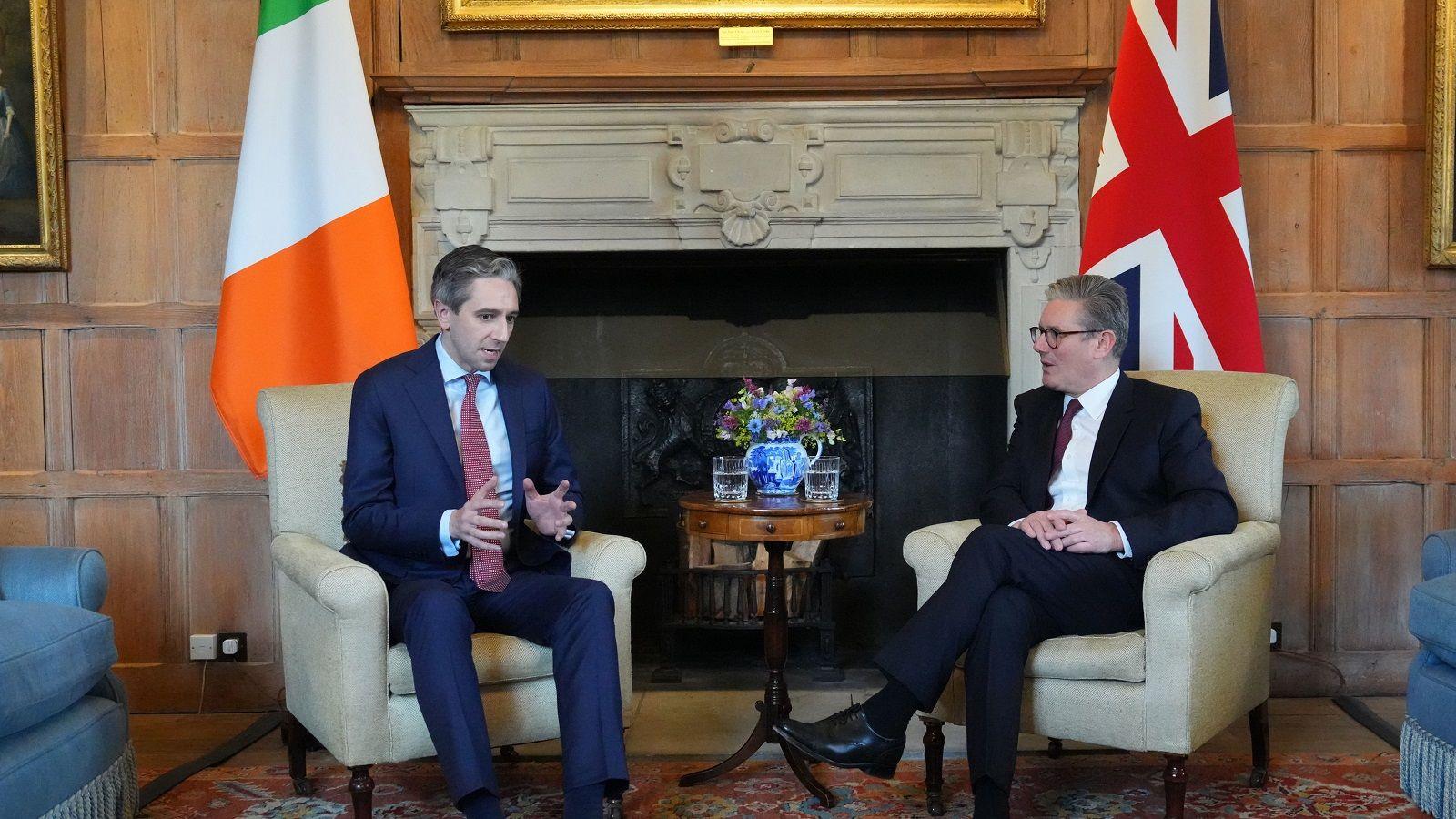
The reform debate has immediate practical implications for the functioning of the Stormont Executive and the delivery of public services across Northern Ireland. The Executive is currently engaged in complex negotiations with the UK government over a multi-year budget settlement, and the political uncertainty created by the reform debate is complicating these negotiations. For communities across Northern Ireland — from the housing estates of North Belfast to the farming communities of Fermanagh and Tyrone — the functioning of the Executive is not an abstract constitutional matter but a practical question about whether the government can deliver the services and investment they need. The prospect of another institutional collapse, however remote it may seem at present, is a source of genuine anxiety for many people who have lived through the consequences of previous breakdowns.
What's Next
The reform debate is expected to intensify in the coming months as the 2027 Assembly election approaches. Sinn Féin has indicated it will publish a detailed policy paper on institutional reform in the autumn, setting out its proposals in greater specificity. The UK government, which has the ultimate authority to amend the legislation underpinning the Stormont institutions, has so far maintained a cautious position, expressing support for the principle of reform while declining to commit to specific changes. A cross-party working group on institutional reform is expected to be established before the end of 2026, providing a forum for the parties to engage with the proposals in a structured way. The outcome of the 2027 election will be the decisive moment, determining the composition of the next Executive and the political context in which any reforms must be implemented.