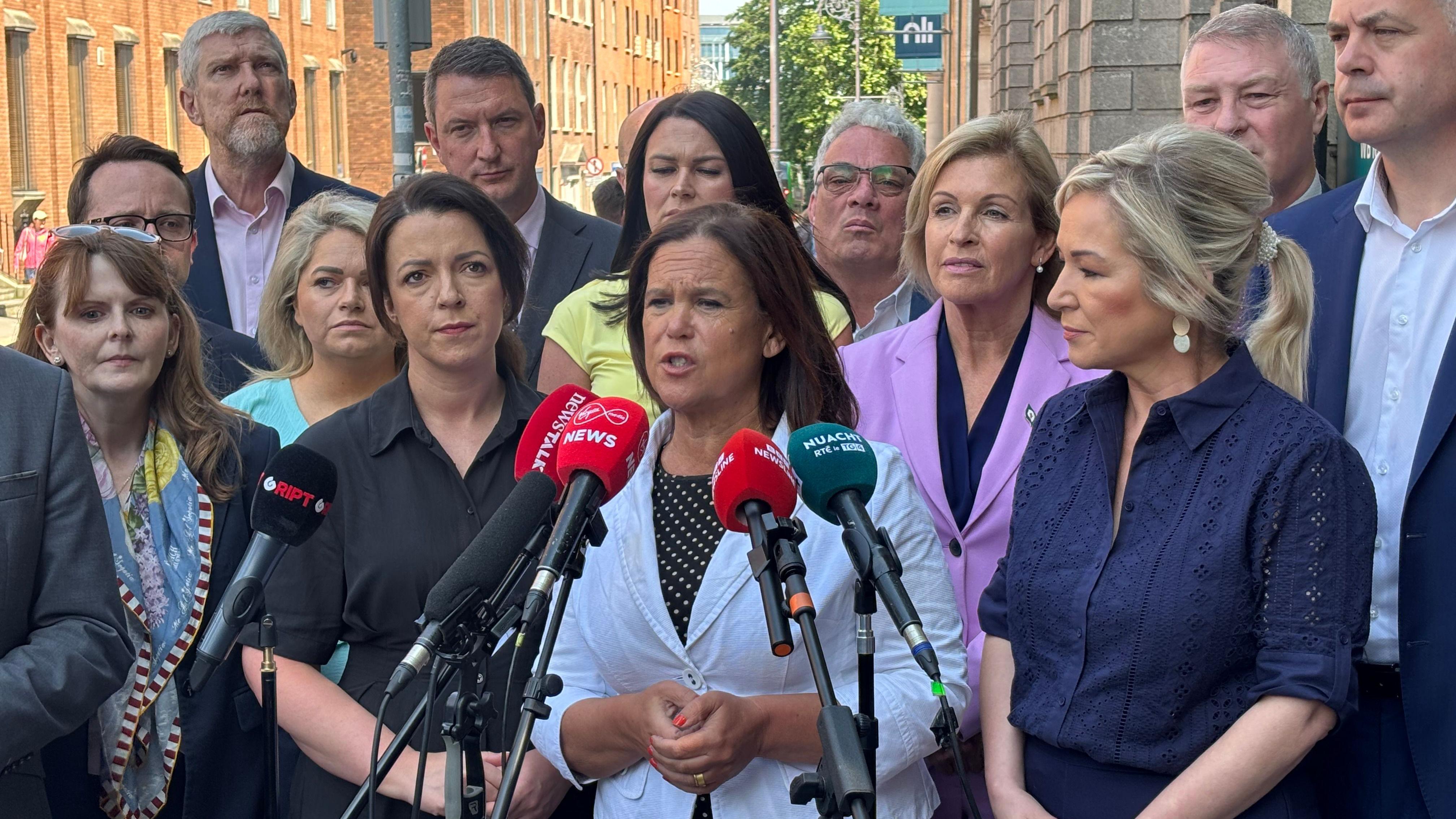
DUP Dismisses Sinn Féin's Irish Unity Planning Bill as 'Classic Stunt' as Dáil Debates Constitutional Change
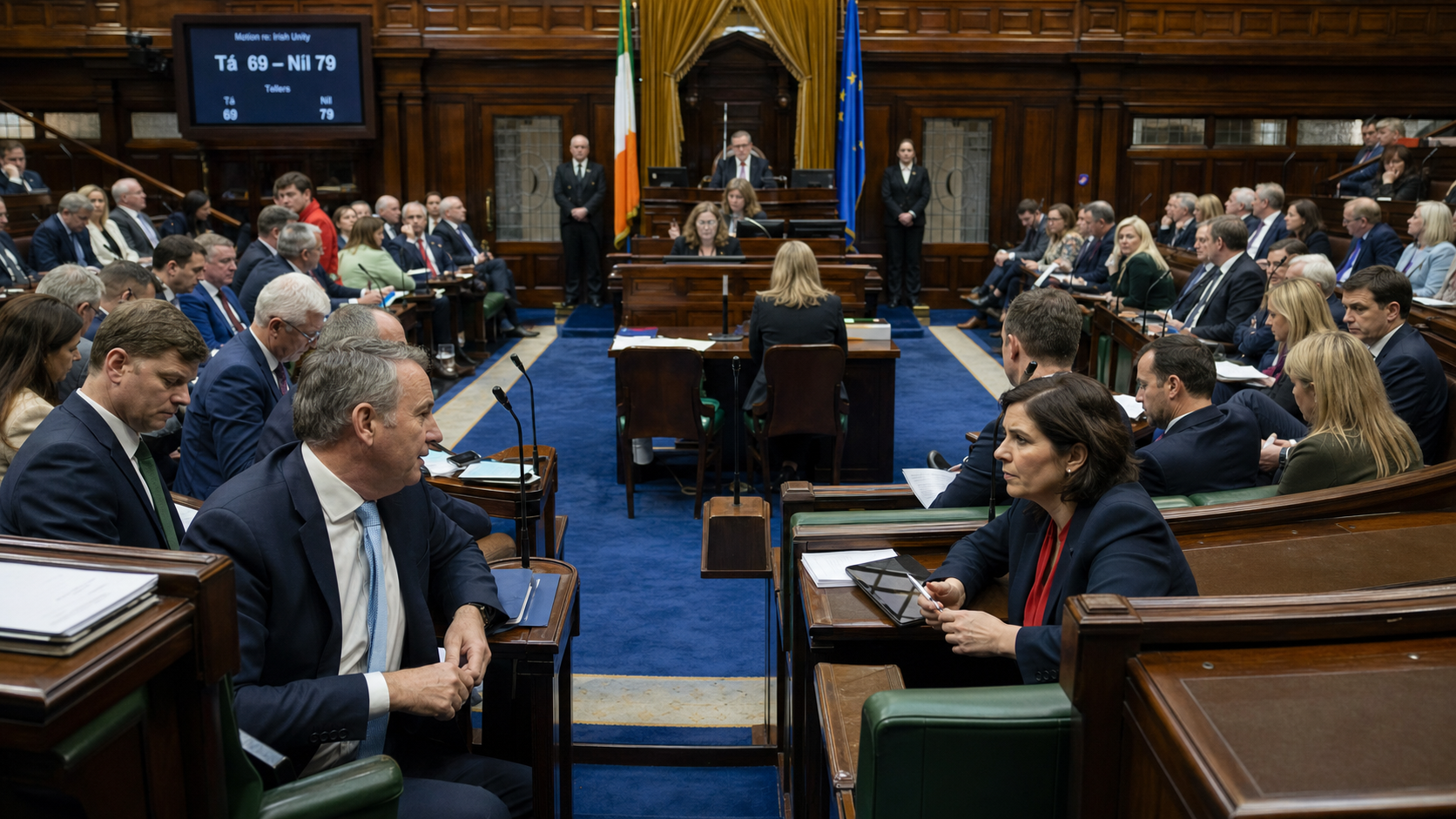
The DUP has dismissed Sinn Féin's "Planning for Constitutional Change Bill 2026" as a "classic stunt and a pipe dream," as the Dáil Éireann debated the legislation on Wednesday before rising for its summer recess. The bill, introduced by Sinn Féin leader Mary Lou McDonald, would compel the Taoiseach to publish a Green Paper on the implications of Irish reunification and establish a Citizens' Assembly on the topic. In a notable moment of cross-party convergence, Tánaiste Simon Harris and McDonald found common ground on the need for rigorous, evidence-based planning for any future constitutional change.
Background
The question of Irish unity has moved from the margins to the mainstream of political debate on both sides of the border over the past decade, driven by Brexit, demographic change in Northern Ireland, and the growing electoral strength of Sinn Féin in both jurisdictions. The Good Friday Agreement provides a mechanism for a border poll — a referendum on Irish unity — to be called by the Secretary of State for Northern Ireland if it appears likely that a majority would vote in favour. The conditions under which such a poll should be called, and the process by which it should be prepared for, have been the subject of intense political debate.
Sinn Féin has been the most consistent advocate for active preparation for a border poll, arguing that the Irish government has a responsibility to plan for constitutional change rather than simply waiting for it to happen. The party's position has evolved over the years from a focus on the timing of a poll to a greater emphasis on the quality of the preparation — the need for detailed analysis of the economic, social, and institutional implications of reunification, and for inclusive dialogue that brings all communities into the conversation.
The Irish government's position has been more cautious. Fine Gael and Fianna Fáil have both expressed support for the principle of Irish unity but have been reluctant to commit to specific timelines or to take steps that might be seen as prejudging the outcome of a democratic process. The Tánaiste's comments in the Dáil on Wednesday represented a somewhat more engaged approach than has been typical of government ministers on this issue.
Key Developments
The Dáil debate on Wednesday saw Sinn Féin leader Mary Lou McDonald introduce the Planning for Constitutional Change Bill 2026, which would require the Taoiseach to publish a Green Paper on the implications of Irish reunification within twelve months and to establish a Citizens' Assembly to consider the issue. McDonald argued that the bill was not about imposing a timeline for reunification but about ensuring that the state was prepared for a democratic decision that she argued was increasingly likely.
Tánaiste Simon Harris, responding for the government, argued that the debate on a united Ireland should focus on opportunities rather than costs, and that the conversation should be "rigorous, evidence-based, and inclusive." In a notable exchange, McDonald thanked the Tánaiste for his "constructive" and "refreshing" approach, with both leaders agreeing that careful planning was essential. The government did not, however, indicate that it would support the bill.
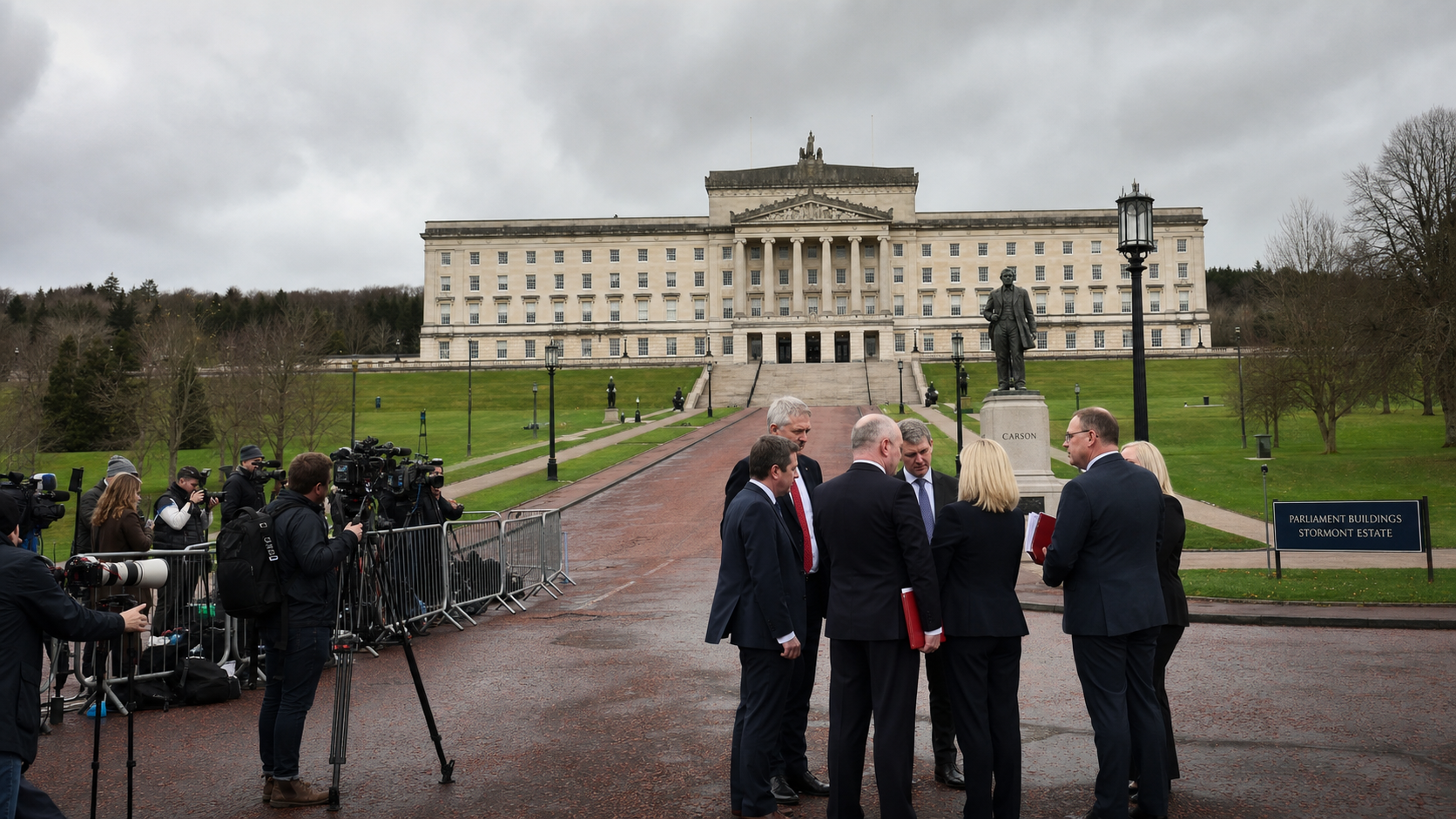
The DUP's response was sharply negative. Deputy leader Michelle McIlveen described the bill as a "classic stunt" and a "pipe dream" intended to distract from practical governance issues including health waiting lists and the cost of living. TUV chairman Allister Kyle called it "pointless posturing." The Newsletter reported that unionist politicians across the spectrum were united in their rejection of the bill, though the tone of the responses varied from the dismissive to the more measured.
Why It Matters
The debate on the Planning for Constitutional Change Bill is significant not so much for the bill itself — which is unlikely to pass in its current form — but for what it reveals about the evolving political landscape on the question of Irish unity. The fact that the Tánaiste engaged substantively and positively with the debate, rather than simply dismissing it, represents a shift in the government's approach. The convergence between Harris and McDonald on the need for evidence-based planning, however tentative, suggests that there may be more common ground between the government and Sinn Féin on this issue than the formal positions of the parties might suggest. For unionists, the debate is a reminder that the question of Irish unity is not going away, and that the political environment in which they are operating is changing in ways that require a more sophisticated response than simple rejection.
Local Impact
In Northern Ireland, the Dáil debate on Irish unity will be followed closely by all of the main parties. For Sinn Féin in the North, the bill represents a continuation of the party's strategy of keeping the unity question on the political agenda and building momentum for a border poll. For the DUP and other unionist parties, the debate is a reminder of the need to make a positive case for the union rather than simply opposing constitutional change. Alliance, which has positioned itself as a party that can speak to both communities on the unity question, has called for a more measured and inclusive approach to the debate. In the Republic, the bill has generated significant media coverage and public discussion, reflecting the extent to which the question of Irish unity has moved into the mainstream of political discourse.
What's Next
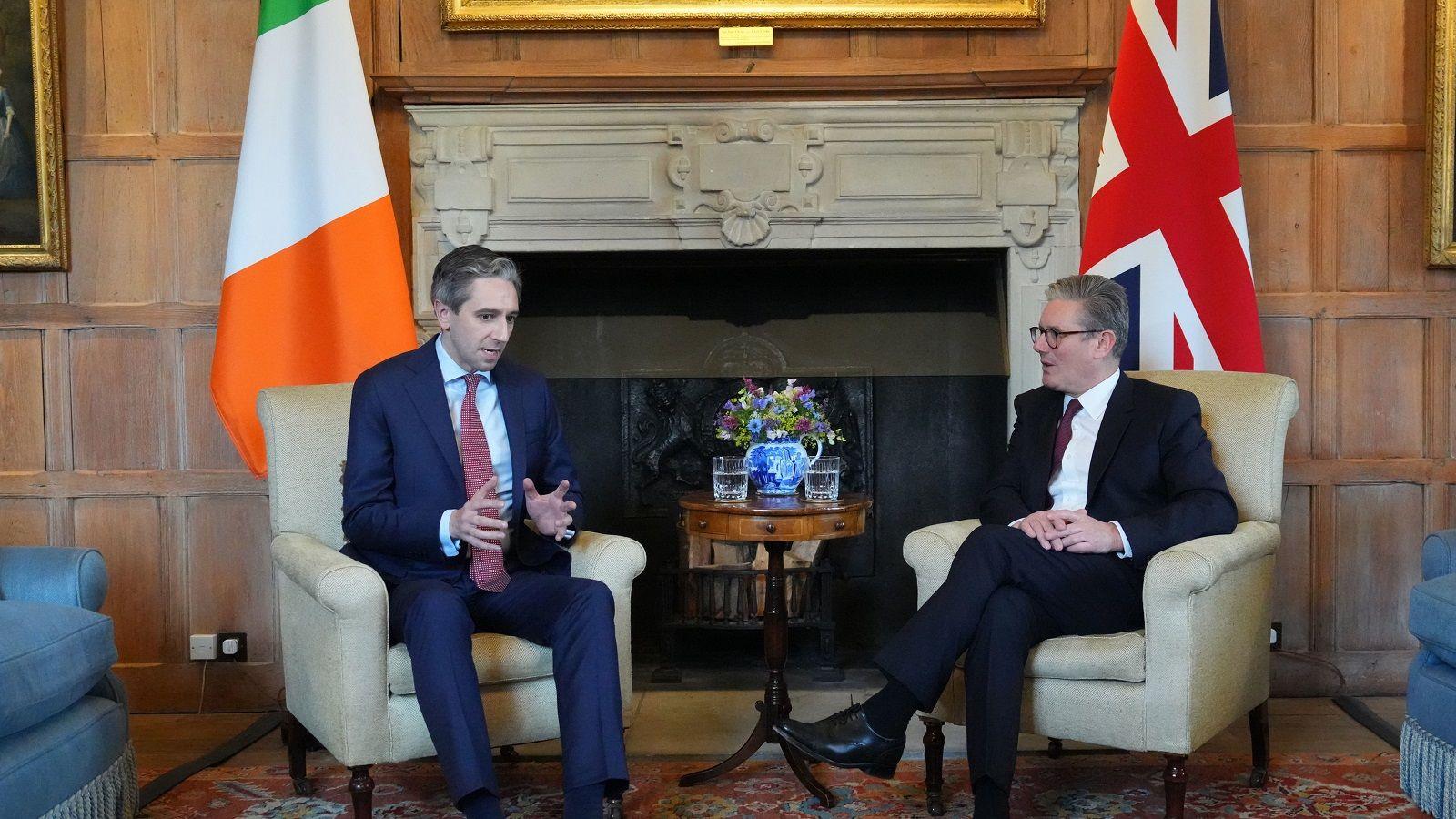
The Planning for Constitutional Change Bill 2026 will be considered by the Dáil when it returns from its summer recess in September. The government is expected to oppose the bill, but the debate it has generated is likely to continue throughout the autumn. The Tánaiste has indicated that the government is open to further discussion on the question of planning for constitutional change, and there may be scope for a government-sponsored initiative on this issue in the coming months. The question of a border poll is also likely to feature in the discussions between the Taoiseach and the UK Prime Minister at today's Downing Street meeting.