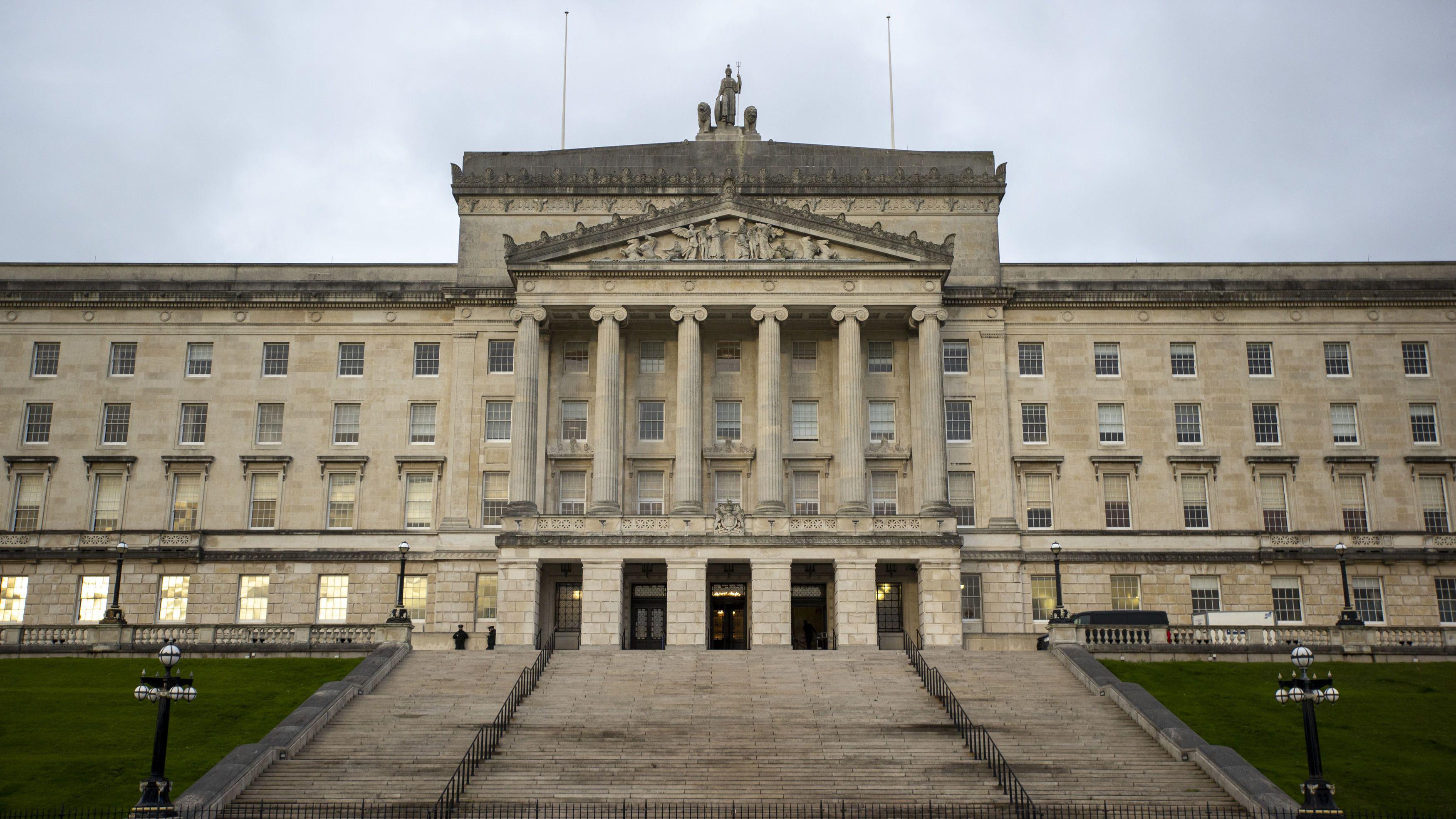
Stormont Budget Crisis Escalates as Executive Seeks Prime Ministerial Intervention Over 'Perilous' Finances
The Northern Ireland Executive has formally requested an urgent meeting with Prime Minister Keir Starmer, escalating the province's budget crisis to the highest political level after months of failed negotiations, with the Northern Ireland Fiscal Council estimating spending pressures of between £1.4 billion and £1.6 billion for the current financial year and public services continuing to operate on contingency funding that prevents long-term planning or investment.
Background
The roots of Northern Ireland's current budget crisis lie in a combination of structural underfunding, political dysfunction, and the particular fiscal pressures created by the province's post-conflict social legacy. Northern Ireland has a higher proportion of people with complex health and social care needs than most other parts of the United Kingdom, a consequence of the physical and psychological damage inflicted by three decades of conflict. It also has a public sector that is proportionally larger than in England or Wales, reflecting the historical dominance of state employment in the province's economy.
The Barnett formula, which determines Northern Ireland's block grant from Westminster, has been criticised for decades as inadequate to meet these particular needs. The formula distributes funding on a per capita basis, without adequate adjustment for the higher cost of delivering services in a small, dispersed population with significant social need. Successive Northern Ireland Executives have argued for a needs-based funding formula, but successive UK governments have resisted fundamental reform of the Barnett system.
The immediate crisis was triggered in January 2026 when a draft multi-year budget for 2026–2030, proposed by Sinn Féin Finance Minister John O'Dowd, was rejected by the DUP and other parties. The rejection left the Executive without an agreed spending framework, and despite a one-off £400 million reserve claim from the UK Treasury in February — funding that is repayable over three years — the underlying fiscal gap has not been addressed.
Key Developments
The Executive's formal request for a meeting with the Prime Minister was made public on July 15, 2026, and has been described by Executive sources as reflecting the "perilous" state of Northern Ireland's finances. The request represents a significant escalation of the crisis, signalling that the Executive regards the situation as beyond the capacity of normal intergovernmental channels to resolve.
The Northern Ireland Fiscal Council's estimate of spending pressures of between £1.4 billion and £1.6 billion for 2026/27 encompasses pay awards for public sector workers, inflationary pressures on service delivery, and the growing demand for health and social care. The health sector is the most acute pressure point, with all five health and social care trusts operating with significant deficits and waiting lists continuing to grow.
High-level talks at Hillsborough Castle in early July, attended by the First Minister, Deputy First Minister, and senior ministers, failed to produce a breakthrough. The parties remain divided on fundamental questions about spending priorities and the appropriate level of pressure to apply to Westminster. The DUP has been particularly resistant to agreeing a budget that it regards as inadequate, while Sinn Féin has argued that the Executive must work within the available resources while pressing for additional funding.
Why It Matters
The Stormont budget crisis matters because it is not an abstract political dispute but a lived reality for the people of Northern Ireland. Every week without a sustainable budget settlement is a week in which health trusts cannot plan new services, schools cannot hire additional staff, and infrastructure projects cannot proceed. The cumulative effect of years of underfunding and political dysfunction is visible in the province's crumbling public services and its record-breaking waiting lists.
The political dynamics of the crisis are also significant. For the DUP, the budget dispute is partly a vehicle for pressing the UK government on issues related to the Windsor Framework and Northern Ireland's constitutional position. For Sinn Féin, it is an opportunity to demonstrate the limitations of devolution and to make the case for Irish unity. For the Alliance Party and the SDLP, it is a source of frustration with the inability of the two largest parties to prioritise the practical needs of the people they represent.
The formal request for a Prime Ministerial meeting is a high-stakes move. If Starmer agrees to meet and delivers additional funding, it will be seen as a vindication of the Executive's approach. If he declines or offers only limited support, the political fallout within Northern Ireland could be severe and could further destabilise the power-sharing arrangements.
Local Impact
The budget crisis is felt most acutely in Northern Ireland's public services. The Royal Victoria Hospital and Belfast City Hospital are operating under significant financial pressure. In Derry, the Altnagelvin Area Hospital has been struggling with staffing shortages directly linked to the inability to offer competitive pay. Schools across the province are deferring essential maintenance and unable to replace departing staff. The Education Authority has warned that the quality of education provision will deteriorate further without additional resources.
What's Next
The Prime Minister's office has acknowledged receipt of the Executive's request. Political sources suggest a meeting could take place before the Westminster summer recess in late July. The Northern Ireland Affairs Committee has indicated it will hold an emergency session to examine the budget crisis. Within Stormont, the Finance Committee is expected to publish a report on the fiscal situation in the coming weeks, and the Executive parties have committed to resuming budget talks after the summer recess.