Stormont Budget Crisis Deepens as Hillsborough Castle Talks Fail to Deliver Funding Breakthrough
Leaders from Stormont's main parties engaged in talks at Hillsborough Castle with UK government ministers in early July to address the Northern Ireland Executive's severe financial pressures, but the discussions have failed to produce a breakthrough on the fundamental question of long-term funding. Northern Ireland Secretary Hilary Benn announced an agreement to begin a new programme of work to assess the region's funding needs comprehensively, but significant disagreements persist over the scale of the underfunding and the politically sensitive revenue-raising measures that might help to address it.
Background
The Northern Ireland Executive has been operating under severe financial pressure for a number of years, a situation that has been compounded by the political instability that has periodically paralysed the Assembly and left the region without a functioning government. The Executive's budget has been managed on a contingency basis for extended periods, preventing the long-term financial planning that effective public service delivery requires.
The fundamental dispute is about the adequacy of the block grant that Northern Ireland receives from the UK Treasury under the Barnett formula. The Executive argues that the formula does not adequately reflect Northern Ireland's higher levels of need — in health, education, and social care — and that the region is chronically underfunded relative to comparable regions in England, Scotland, and Wales. The Treasury disputes this characterisation, pointing to the relatively high level of public spending per head in Northern Ireland compared to the UK average.
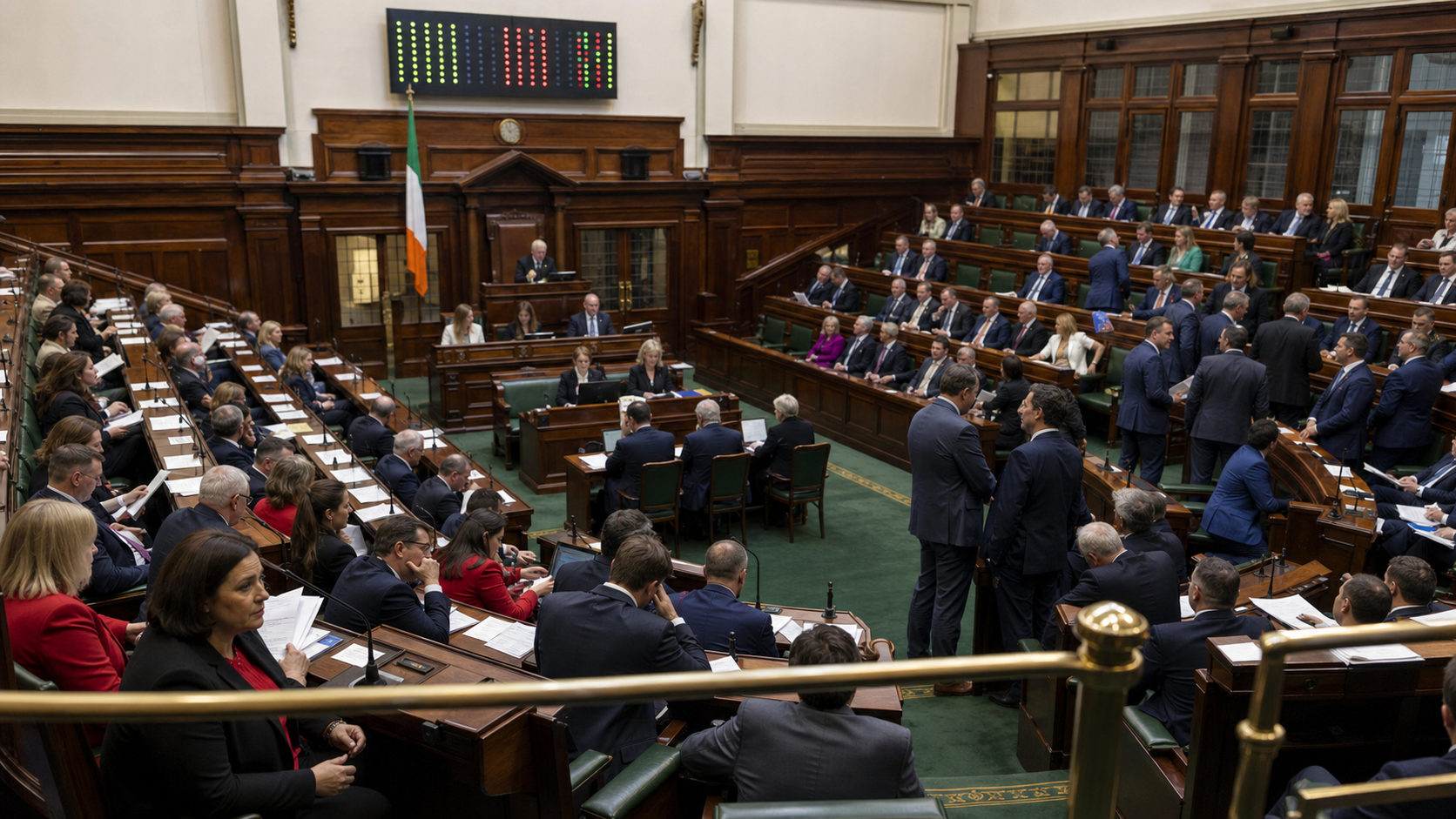
The DUP's rejection of a multi-year budget proposed by Sinn Féin Finance Minister John O'Dowd has added a further layer of complexity to the situation, creating an impasse that has left Stormont operating on contingency funds and unable to make the strategic financial decisions that public services need. The absence of a multi-year budget has been particularly damaging for the health service, which requires long-term financial certainty to plan workforce development, capital investment, and service transformation.
Key Developments
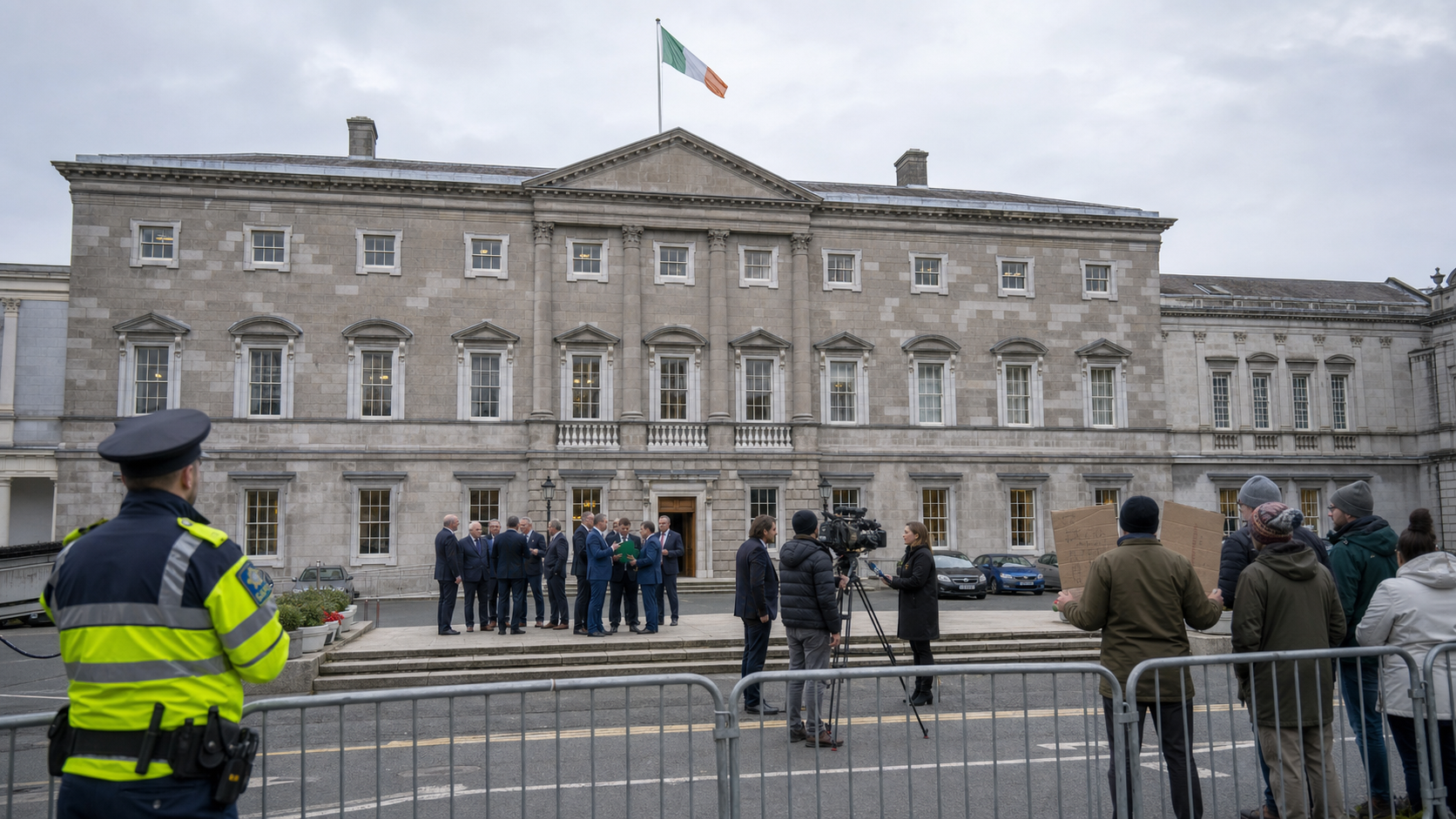
BBC News NI reported on the Hillsborough Castle talks, which brought together the leaders of Stormont's main parties — including First Minister Michelle O'Neill, Deputy First Minister Emma Little-Pengelly, and the leaders of the Alliance Party, SDLP, and UUP — with Northern Ireland Secretary Hilary Benn and other UK government ministers. The talks were described as constructive but inconclusive on the central question of funding.
Benn announced an agreement to begin a new programme of work involving the Treasury and the Northern Ireland Civil Service to fully assess the region's funding needs. This is a significant commitment in principle, but the details of the assessment process — its scope, timeline, and the extent to which it will be binding on the Treasury — remain to be determined. Critics have noted that similar assessments have been conducted in the past without resulting in meaningful changes to the funding settlement.
The talks also highlighted the persistent disagreement over revenue-raising measures. The Treasury has pointed to the fact that Northern Ireland does not charge for water — unlike every other part of the UK — as an example of a revenue-raising measure that is politically available but has not been taken. The Executive parties have consistently rejected water charges as politically unacceptable, arguing that the introduction of such charges would be deeply unpopular and would disproportionately affect lower-income households.
Why It Matters
The Stormont budget crisis matters because it is not an abstract political dispute but a situation with direct and serious consequences for the people of Northern Ireland. The health service is operating at the limits of its capacity, with waiting lists at record levels and A&E departments struggling to cope with demand. The education system is facing funding pressures that are affecting the quality of provision in schools across the region. Infrastructure investment has been deferred, and the public sector workforce is under significant strain.
The failure of the Hillsborough Castle talks to produce a breakthrough is a significant setback for those who had hoped that the restored Executive would be able to negotiate a better funding settlement with the UK government. The talks demonstrated that the fundamental disagreements between the Executive and the Treasury about the adequacy of Northern Ireland's funding have not been resolved, and that the path to a sustainable settlement remains long and uncertain.
The political dynamics of the situation are also significant. The DUP's rejection of the multi-year budget proposed by the Sinn Féin Finance Minister reflects the ongoing tensions within the Executive, and the absence of a functioning budget makes it harder for the Executive to present a united front in negotiations with the UK government. The Treasury is unlikely to increase funding significantly for a region that cannot agree on how to manage the resources it already has.
Local Impact
Across Northern Ireland, the budget crisis is felt most acutely in the public services that people depend on most. In the health service, the absence of a multi-year budget has prevented the trusts from making the long-term investments in workforce and infrastructure that are needed to reduce waiting lists and improve patient care. In education, schools are managing with reduced budgets that are affecting staffing levels, resources, and the quality of provision.
In Belfast, the budget crisis has affected the city council's ability to invest in infrastructure and services, with capital projects delayed and revenue budgets under pressure. In Derry, Newry, and other urban centres, the impact of reduced public spending is visible in the quality of public spaces, the availability of community services, and the capacity of local government to respond to residents' needs.
Rural communities across Northern Ireland have also been affected, with reduced funding for rural transport, community services, and agricultural support programmes. The cumulative effect of years of budget pressure is a public sector that is stretched thin and struggling to maintain the quality of services that communities expect.
What's Next
The new programme of work announced by Hilary Benn is expected to begin in the coming weeks, with the Treasury and the Northern Ireland Civil Service working together to assess the region's funding needs. The timeline for this assessment and the process by which its findings will be translated into a revised funding settlement remain to be determined.
The DUP and Sinn Féin are expected to continue their negotiations over the multi-year budget, with pressure from other Executive parties and from the UK government to reach an agreement. The absence of a budget is increasingly untenable, and there is growing political pressure on both parties to find a compromise.
The autumn spending review, which the UK government is expected to conduct later in 2026, will be a critical moment for Northern Ireland's funding situation. The Executive parties are expected to make a strong case for increased funding as part of that review, and the outcome will have significant implications for public services across the region for years to come.