Justice Minister O'Callaghan in Mexican Standoff with Legal Profession Over Criminal Legal Aid Reform
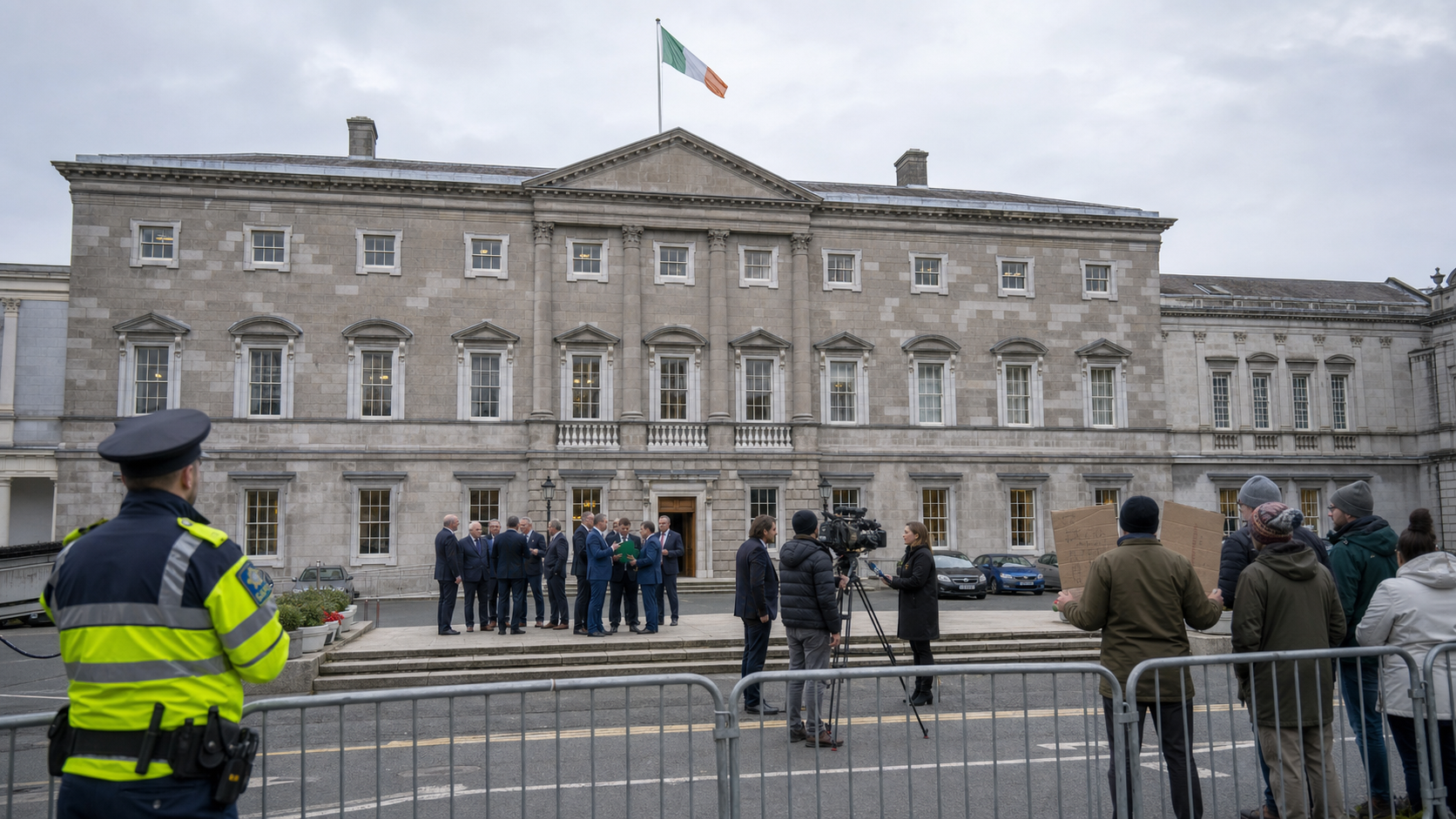
Justice Minister Jim O'Callaghan is locked in a deepening and increasingly disruptive standoff with the legal profession over his proposed reforms to the criminal legal aid system, with solicitors' industrial action causing significant disruption to court operations across the country and some Fine Gael coalition partners expressing growing unease about the impact on access to justice.
Background
The criminal legal aid system in Ireland provides state-funded legal representation to defendants in criminal proceedings who cannot afford to pay for their own solicitor or barrister. The system is a fundamental component of the right to a fair trial, enshrined in both the Irish Constitution and the European Convention on Human Rights. Without access to legal aid, many defendants — particularly those facing serious charges — would be unable to mount an effective defence.
The system has been the subject of ongoing debate about its cost and structure for many years. The state spends approximately €70 million per year on criminal legal aid, a figure that has grown significantly over the past decade as the volume and complexity of criminal cases has increased. The Law Society of Ireland and the Bar Council have consistently argued that legal aid rates are inadequate and have not kept pace with inflation, while successive governments have sought to contain costs and introduce greater efficiency into the system.
Minister O'Callaghan's proposed reforms centre on the introduction of a flat-fee model for criminal legal aid, under which solicitors would receive a fixed payment for each case rather than billing by the hour. The minister argues that this model will provide greater cost certainty for the state and incentivise more efficient case management. The Law Society has strongly opposed the flat-fee model, arguing that it will make criminal legal aid work economically unviable for many solicitors and will ultimately reduce the availability of legal representation for defendants.
Key Developments
The dispute has escalated significantly in recent weeks, with solicitors across the country withdrawing from criminal legal aid work in protest at the proposed reforms. This industrial action has caused substantial disruption to the criminal courts, with cases being adjourned, trials delayed, and defendants left without representation at critical stages of their proceedings. The Courts Service has reported a significant backlog of cases as a result of the action, with some courts operating at a fraction of their normal capacity.
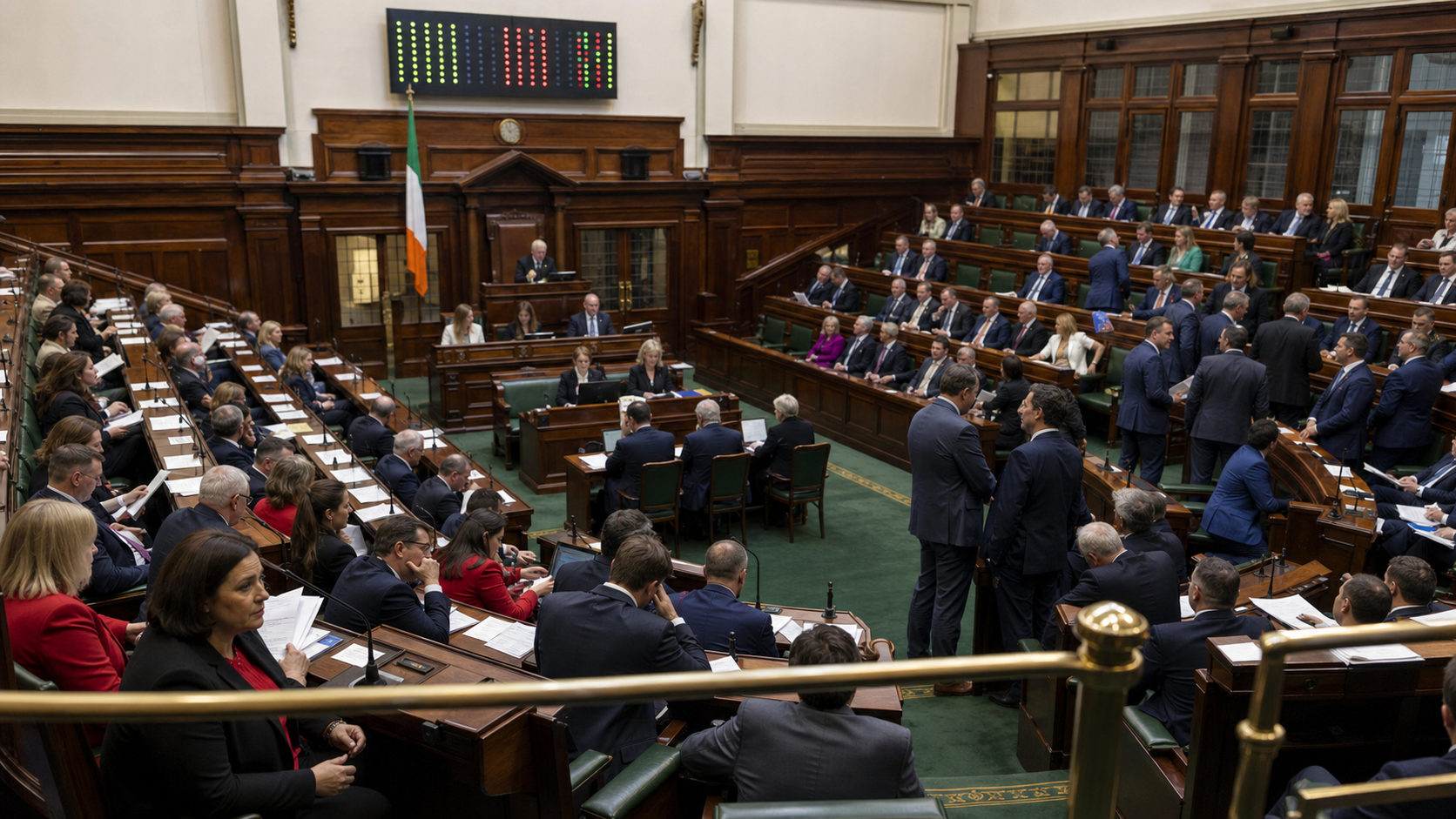
Within the coalition, the dispute has exposed a degree of tension between Fianna Fáil and Fine Gael. While the Fianna Fáil leadership and cabinet have broadly supported Minister O'Callaghan's hardline approach to the reforms, a number of Fine Gael TDs have expressed growing concern about the situation. These members have described the standoff as a Mexican standoff and have raised questions about the cascading impact on court operations and on the ability of defendants — including vulnerable individuals — to access legal representation.
The minister has shown no signs of backing down from his position, arguing that the flat-fee model is necessary to ensure the long-term sustainability of the criminal legal aid system and that the Law Society's opposition is motivated by financial self-interest rather than genuine concern for defendants. The Law Society has rejected this characterisation, insisting that its opposition is based on a genuine assessment of the impact of the reforms on the quality and availability of legal representation.
Why It Matters
The criminal legal aid dispute is not merely a pay dispute between the state and a professional body — it goes to the heart of the right to a fair trial. If solicitors withdraw from criminal legal aid work in significant numbers, the consequences for defendants — particularly those facing serious charges — could be severe. A defendant who cannot access legal representation is at a fundamental disadvantage in adversarial criminal proceedings, and the risk of miscarriages of justice increases significantly when defendants are unrepresented.
The flat-fee model proposed by Minister O'Callaghan has been tried in other jurisdictions with mixed results. In England and Wales, the introduction of fixed fees for criminal legal aid work contributed to a significant reduction in the number of solicitors willing to take on legal aid cases, creating what the Law Society of England and Wales described as a "legal aid desert" in some parts of the country. The Irish Law Society has pointed to this experience as evidence of the risks associated with the proposed reforms.
The intra-coalition tension on the issue is also significant. Fine Gael's concerns about the impact on access to justice reflect a genuine policy difference with Fianna Fáil on the appropriate balance between cost control and the protection of defendants' rights. If the standoff continues to disrupt court operations, the political pressure on the minister to find a compromise will intensify — and the question of whether he can maintain coalition unity on the issue will become increasingly pressing.
Local Impact
The disruption to court operations is being felt across the country, but it is particularly acute in the busiest criminal courts — the Dublin Circuit Criminal Court, the Central Criminal Court, and the Special Criminal Court. Cases involving serious charges, including assault, robbery, and drug offences, have been adjourned as a result of the solicitors' action, leaving defendants in custody awaiting trial for longer than would otherwise be the case. The Courts Service has estimated that the backlog created by the industrial action could take several months to clear, even if the dispute is resolved quickly.
For defendants in provincial courts — in Cork, Limerick, Galway, and Waterford — the impact is similarly significant. Many of these courts have smaller pools of criminal legal aid solicitors than Dublin, meaning that the withdrawal of even a small number of practitioners can have a disproportionate effect on the availability of representation. Legal aid clinics operated by voluntary organisations have reported a significant increase in demand from defendants who cannot access solicitor representation through the formal legal aid system.
What's Next
The Law Society and the Department of Justice are expected to resume talks on the proposed reforms in the coming week, following a period of direct engagement between the minister and Law Society president. The Courts Service has indicated it will publish a detailed assessment of the backlog created by the industrial action before the end of July. A Dáil debate on the criminal legal aid dispute has been requested by the opposition and is expected to be scheduled for the week of July 21. The minister has indicated he will not withdraw the flat-fee proposals but has suggested he is open to discussing the implementation timeline and the specific fee levels.