Sinn Féin's Irish Unity Bill Defeated in Dáil by 79 Votes to 69 as Government Labels It an Empty Gesture
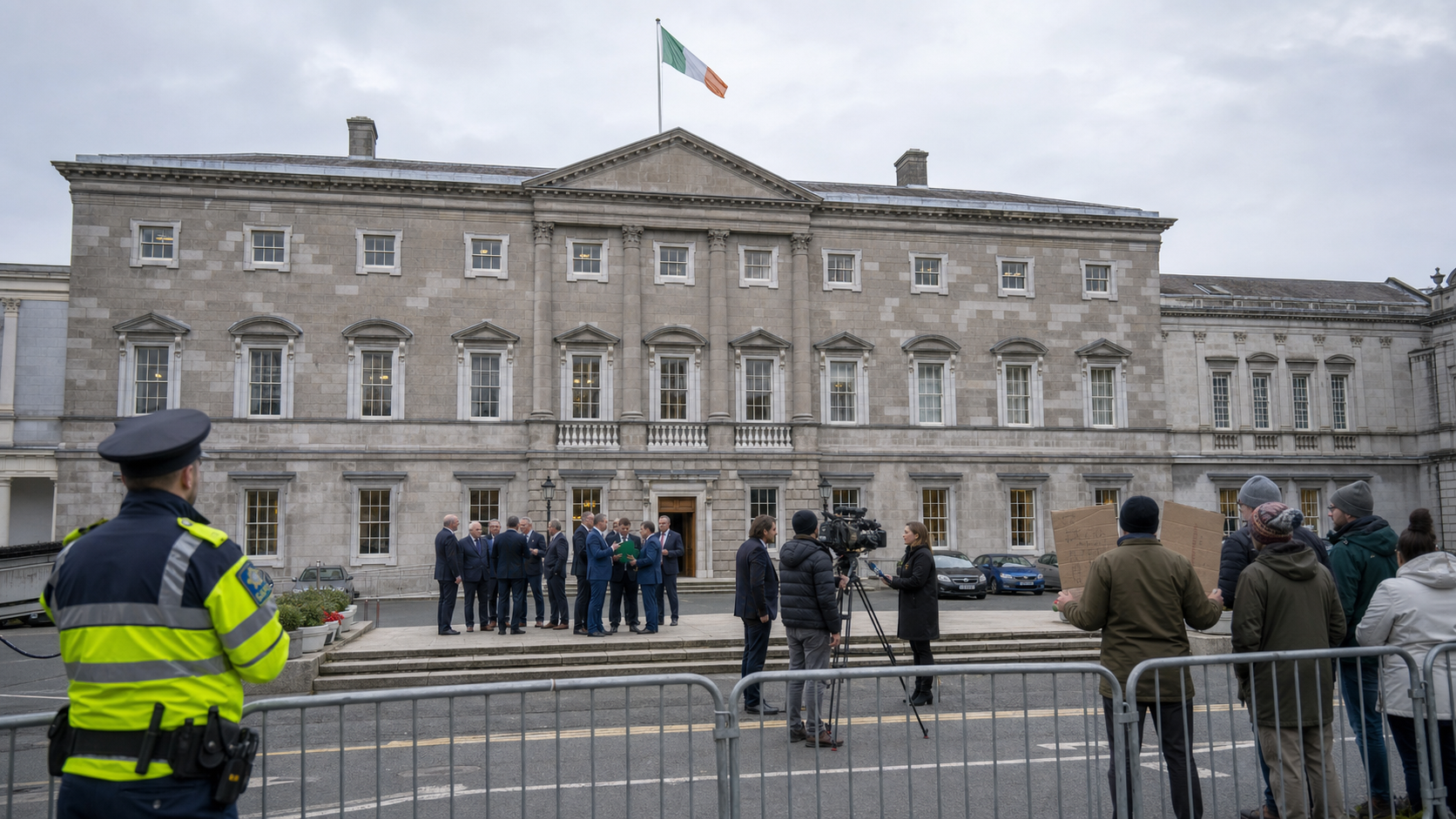
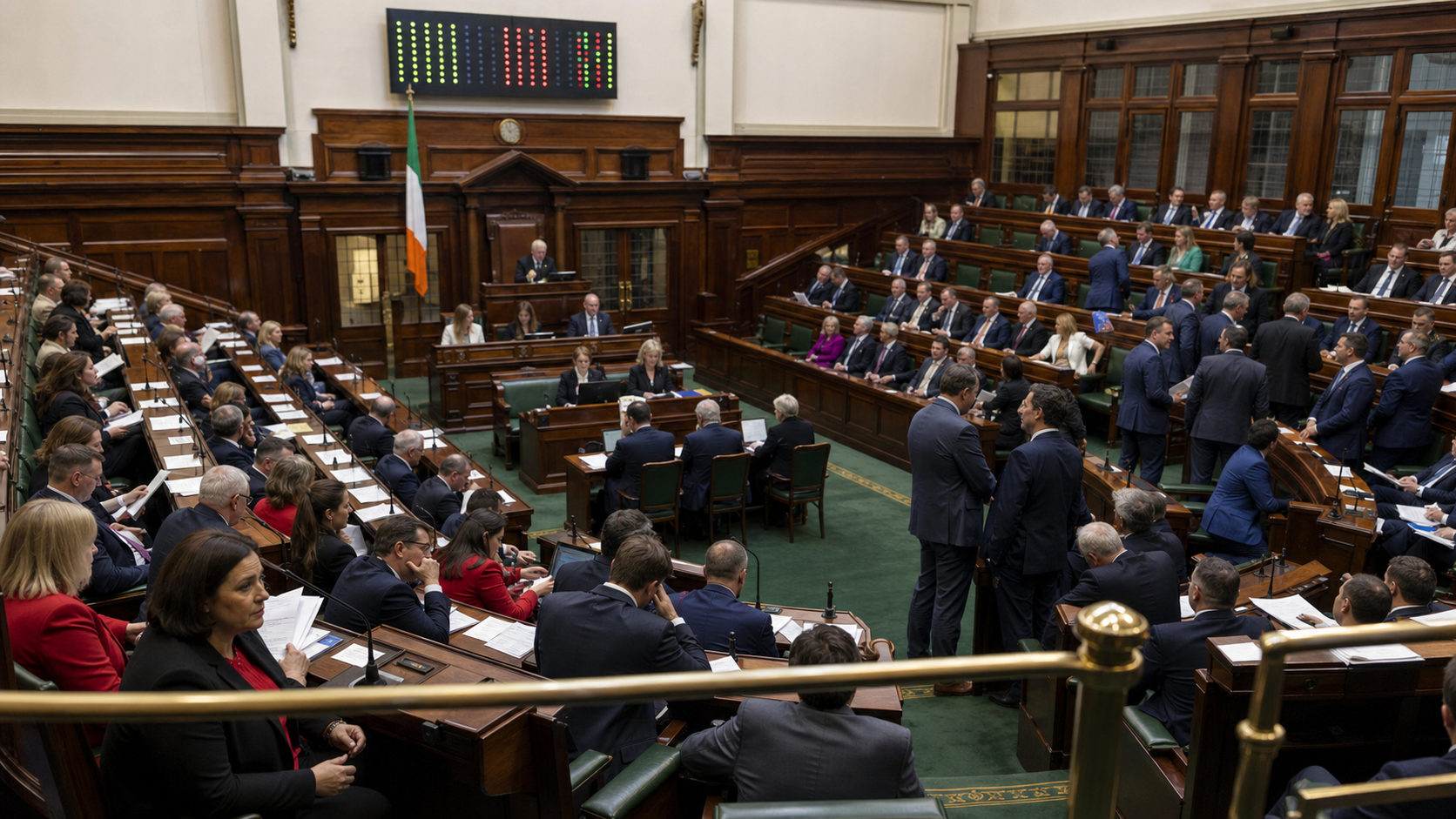
A Sinn Féin bill that would have compelled the Irish government to begin formal preparations for Irish reunification has been defeated in the Dáil by 79 votes to 69, after the coalition government used its majority to block the legislation — with Taoiseach Micheál Martin dismissing it as a failed approach and an empty gesture that distracts from the substantive work of the Shared Island initiative.
Background
The question of Irish unity has been a central feature of political debate on the island of Ireland since partition in 1921, and it has taken on renewed urgency in the post-Brexit era. The 1998 Good Friday Agreement provides a mechanism for a border poll — a referendum on Irish unity — to be called by the Secretary of State for Northern Ireland if it appears likely that a majority of people in Northern Ireland would vote in favour of reunification. No such poll has been called, and the conditions under which one would be triggered remain contested.
Sinn Féin, which is the largest party in both the Northern Ireland Assembly and the Dáil, has made Irish unity a central political priority. The party argues that the Irish government has a constitutional obligation under Articles 2 and 3 of the Irish Constitution to actively plan for reunification, and that the current government's approach — which emphasises the Shared Island initiative and incremental North-South cooperation — is insufficiently ambitious. The party has been pressing for formal government planning for unity for several years.
The coalition government, comprising Fianna Fáil, Fine Gael, and the Green Party, has consistently resisted Sinn Féin's calls for formal unity planning, arguing that the conditions for a border poll are not yet in place and that premature or poorly prepared planning could be counterproductive. The government's Shared Island initiative, launched in 2020, has invested in cross-border research, infrastructure, and cooperation, but stops well short of the formal constitutional planning that Sinn Féin is demanding.
Key Developments
The Planning for Constitutional Change Bill, introduced by Sinn Féin leader Mary Lou McDonald, would have required the Irish government to publish a Green Paper on Irish unity within 18 months of the bill's enactment and to establish an all-island Citizens' Assembly to deliberate on the constitutional future of the island. The bill was framed as a preparatory measure — not a declaration of intent to pursue unity at any particular time — but the government rejected even this framing.
The bill was defeated by 79 votes to 69, with the coalition parties voting against and most opposition parties, including Labour, the Social Democrats, and People Before Profit, voting in favour. The margin of defeat was narrower than some had anticipated, reflecting the fact that a majority of Dáil deputies who are not members of the coalition parties supported the legislation.
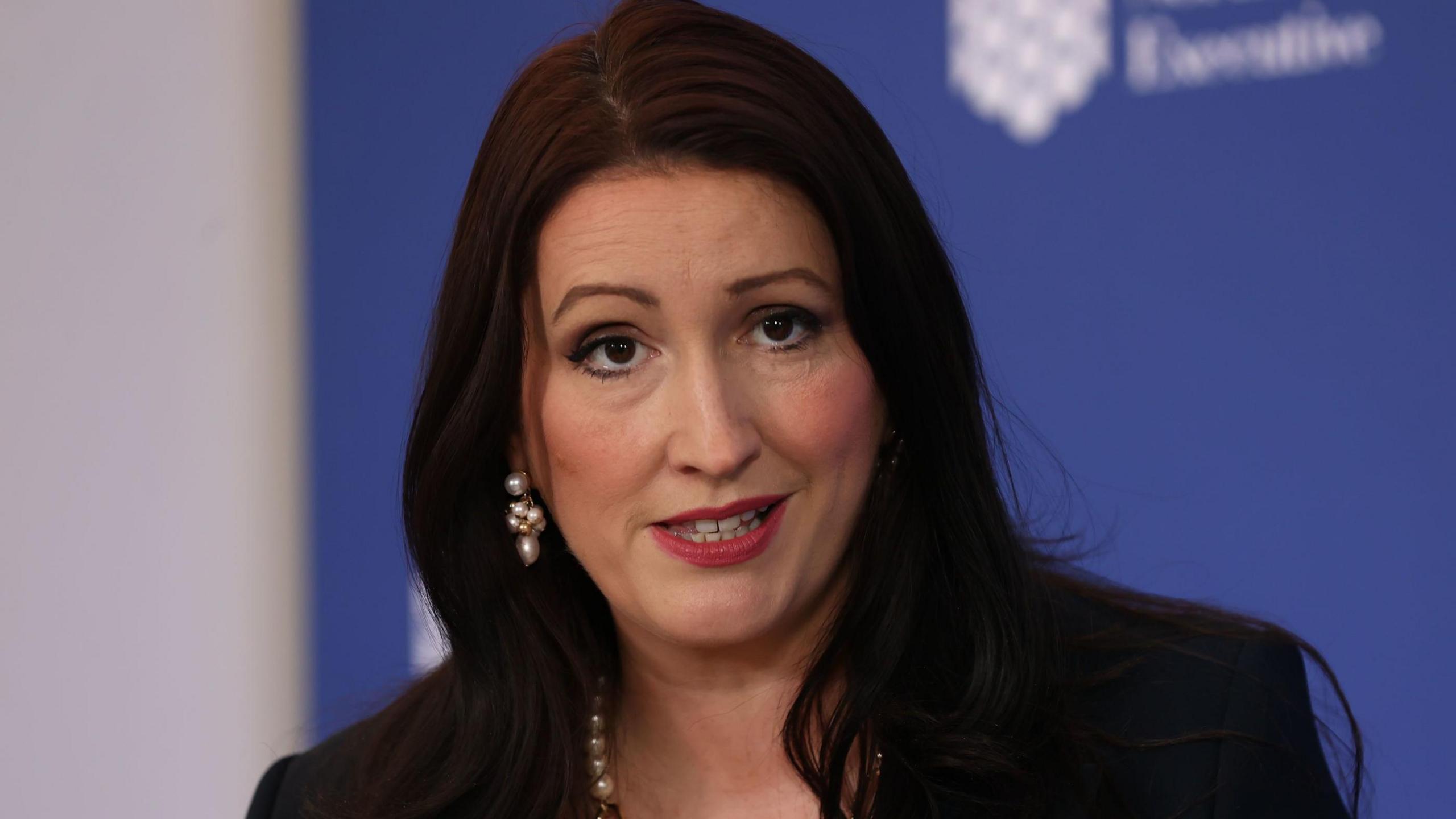
Taoiseach Micheál Martin led the government's opposition to the bill, describing it as a failed approach and an empty gesture that would distract from the ongoing work of the Shared Island initiative. He argued that the bill was not the appropriate mechanism for addressing a sensitive political issue that required careful, consensual engagement with communities on both sides of the border. Mary Lou McDonald responded by arguing that failing to prepare for constitutional change would risk chaos similar to that seen after Brexit, when the UK left the EU without adequate preparation.
Why It Matters
The defeat of the bill is significant, but so is the margin. A ten-vote majority against a bill that would have required the government to merely plan for unity — not to pursue it — suggests that the political centre of gravity in the Dáil on this issue is closer to Sinn Féin's position than the government's rhetoric might suggest. The fact that Labour, the Social Democrats, and People Before Profit all voted in favour indicates that support for formal unity planning extends well beyond Sinn Féin's own base.
The government's position — that the Shared Island initiative is the appropriate vehicle for North-South engagement — is defensible, but it is increasingly difficult to sustain in the face of Sinn Féin's political momentum. The party is the largest in the Dáil and the largest in the Assembly, and its argument that the government has a constitutional obligation to plan for unity resonates with a significant portion of the electorate. The question of how the government responds to this pressure — and whether it can articulate a more compelling alternative vision — will be a defining feature of Irish politics in the coming years.
The debate also has implications for the relationship between Dublin and Belfast. Unionist parties in Northern Ireland have watched the Dáil debate closely, and the defeat of the bill will be welcomed by the DUP and UUP as evidence that the Irish government is not actively pursuing unity. Sinn Féin's response — that the government is failing in its constitutional duty — will reinforce the party's narrative in the North that Dublin needs to be pushed harder on the unity question.
Local Impact
The debate has resonated strongly in border communities, where the question of Irish unity is not abstract but deeply personal. In counties like Donegal, Cavan, Monaghan, and Louth, the daily reality of living near the border — and the memory of what that border meant during the Troubles — gives the unity debate a particular intensity. Community organisations in these areas have been among the most active participants in the Shared Island initiative's consultation processes, and many have expressed frustration at the pace of progress.
In Dublin, the debate has played out primarily in political and media circles, but it has also engaged a younger generation of voters for whom the Good Friday Agreement is history rather than lived experience. Polling consistently shows that support for Irish unity is higher among younger voters than among older cohorts, a demographic trend that will shape the political landscape over the coming decades.
What's Next
Sinn Féin has indicated it will bring further legislation on Irish unity planning before the Dáil in the autumn session. The party is also expected to publish a detailed policy document on its vision for a united Ireland before the end of the year, building on the work of its New Ireland Commission. The government's Shared Island unit is due to publish its annual report in September, which will include an update on the progress of cross-border initiatives. The British-Irish Intergovernmental Conference is scheduled to meet in October, at which the unity debate is expected to feature in discussions between the Irish and British governments.