Deputy First Minister Little-Pengelly Urges Calm and Facts Over Rumours After Belfast Stabbing Sparks Unrest
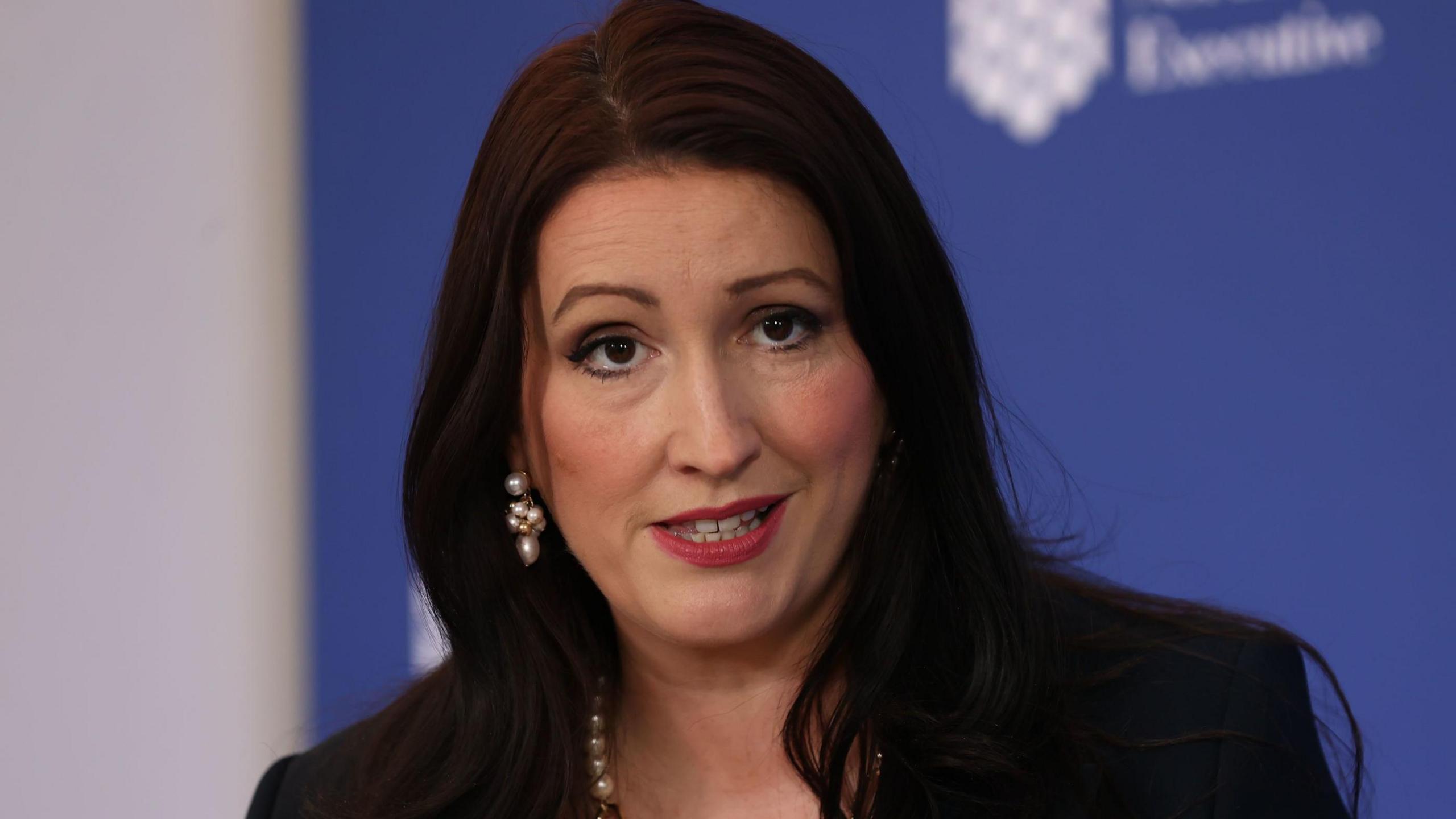
Northern Ireland's Deputy First Minister Emma Little-Pengelly has made a direct appeal for calm from the floor of the Stormont Assembly, urging the public to seek facts rather than rumours after a knife attack in Belfast triggered a wave of anti-immigration protests and civil unrest that has raised serious concerns about community relations in the city and about the exploitation of violent incidents by those seeking to inflame tensions.
Background
Northern Ireland has experienced a period of heightened tension around immigration and community relations in recent months, a pattern that mirrors developments in other parts of the United Kingdom and Ireland. The arrival of asylum seekers and migrants in Belfast and other parts of Northern Ireland has been accompanied by a rise in anti-immigration sentiment, some of which has been expressed through protests, social media campaigns, and, in some cases, acts of intimidation and violence directed at individuals and communities perceived as foreign.
The political context is complex. Northern Ireland's power-sharing arrangements require the Executive parties to govern together despite significant differences on a range of policy issues, including immigration. The DUP, of which Little-Pengelly is a senior figure, has taken a broadly sceptical position on immigration, while Sinn Féin has been more supportive of a welcoming approach to asylum seekers and migrants. The Alliance Party has been the most vocal advocate for a rights-based approach to immigration policy.
The knife attack that prompted Little-Pengelly's intervention occurred in Belfast and resulted in serious injuries. The circumstances of the attack — including the identity of the alleged perpetrator — were the subject of significant speculation on social media in the hours following the incident, with some accounts making claims about the attacker's background that were not confirmed by the PSNI. This speculation fuelled a rapid escalation of anti-immigration sentiment online and on the streets, with protests gathering in several parts of Belfast.
Key Developments
Deputy First Minister Little-Pengelly addressed the Stormont Assembly on July 13, making a direct appeal for calm in the aftermath of the stabbing and the subsequent unrest. She described the knife attack as "sickening" and expressed sympathy for the victim and their family. She then turned to the response to the attack, warning against the spread of misinformation and calling for the public to wait for confirmed facts from the PSNI before drawing conclusions about the circumstances of the incident.
"We need facts not rumours, and we need calm, not hysteria which is being whipped up by some," Little-Pengelly told the Assembly, in remarks that were widely reported and that were seen as a significant intervention from a senior DUP figure. Her comments were welcomed by other party leaders, including First Minister Michelle O'Neill of Sinn Féin and Alliance leader Naomi Long, who both echoed the call for calm and condemned the exploitation of the incident by those seeking to stoke anti-immigration sentiment.
The PSNI confirmed it was investigating the stabbing and appealed for calm, noting that the investigation was at an early stage and that it would be inappropriate to speculate about the circumstances of the attack or the background of those involved. The force deployed additional officers to areas where protests were gathering and confirmed that a number of individuals had been arrested in connection with disorder that occurred in the aftermath of the stabbing.
Why It Matters
Little-Pengelly's intervention is significant for several reasons. As a senior DUP figure, her willingness to publicly call out the "hysteria being whipped up by some" represents a notable departure from the more cautious approach that some in her party have taken to anti-immigration sentiment. It signals that the Executive parties are united in their determination to prevent the exploitation of violent incidents for political purposes, and it provides a degree of political cover for the PSNI's efforts to maintain order.
The broader pattern of anti-immigration unrest in Northern Ireland is deeply concerning for those who have worked to build a peaceful and inclusive society since the Good Friday Agreement. Northern Ireland's history of sectarian violence makes it particularly vulnerable to the kind of community tensions that can be ignited by incidents like the Belfast stabbing, and the speed with which misinformation spread on social media in the hours following the attack illustrates the challenge of managing public discourse in the digital age. Unlike the Republic of Ireland, where anti-immigration protests have also occurred but where the political response has been broadly unified, Northern Ireland's divided political landscape creates additional complexity.
Local Impact
The impact of the unrest following the Belfast stabbing has been felt across the city, with businesses in affected areas reporting disruption and some residents expressing fear about the safety of their neighbourhoods. Community organisations working with migrant and asylum seeker communities in Belfast have reported a significant increase in anxiety among the people they support, with some individuals afraid to leave their homes in the days following the incident. The PSNI has confirmed it is providing additional support to communities that feel vulnerable, and the Executive Office has indicated it is monitoring the situation closely.
What's Next
The PSNI investigation into the Belfast stabbing is ongoing, and the force has indicated it will provide further updates as the investigation progresses. The Stormont Assembly is expected to hold a debate on community relations and the response to anti-immigration sentiment in the coming weeks, with all parties indicating they wish to address the issue. The Executive Office has indicated it is reviewing its community relations strategy in light of recent events, and a meeting of the Executive's community relations subcommittee has been scheduled for later this month.