Stormont Power-Sharing Breakthrough as Parties Agree Historic Cross-Community Budget
All five main parties at Stormont have reached consensus on a three-year budget framework totalling £18.2 billion — a landmark agreement that prioritises healthcare and education investment across both communities and marks one of the most significant moments of cross-community cooperation in the history of the power-sharing institutions.
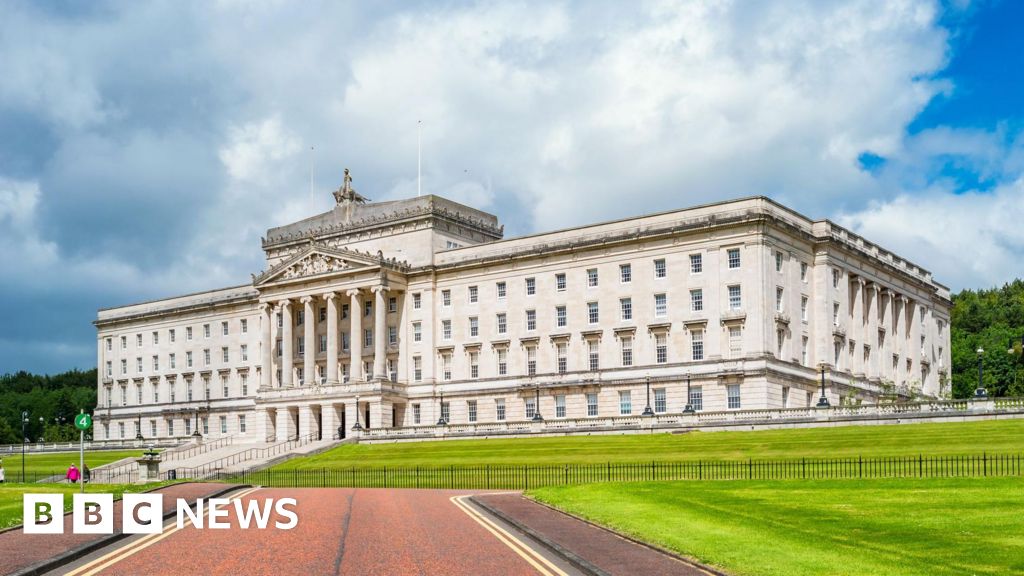
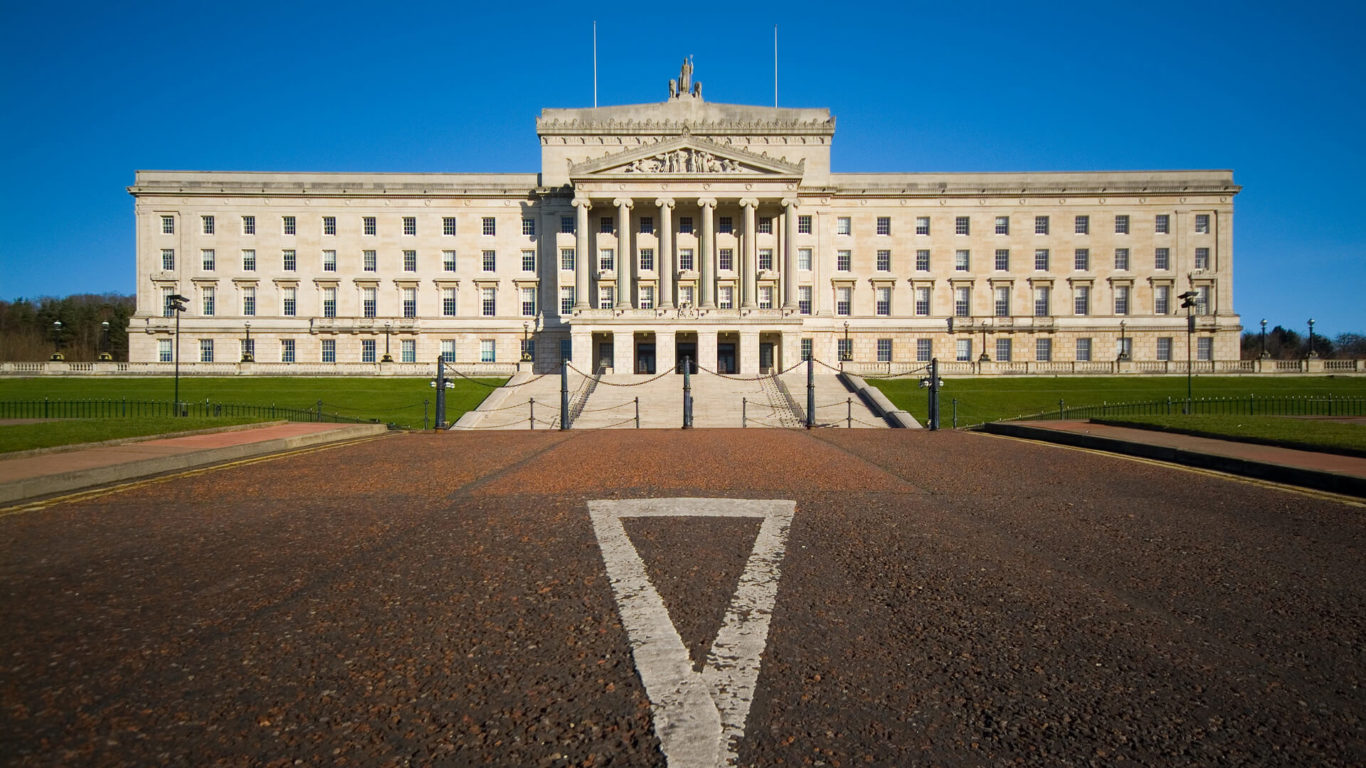
The agreement, brokered after weeks of intensive negotiations at Parliament Buildings, represents a historic departure from the single-year budgets that have long hampered long-term planning across Northern Ireland's public services. Finance Minister John O'Dowd hailed the framework as a plan to "transform public services" and move away from the "sticking plaster" approach that has characterised Stormont's finances for more than a decade.
Background
Northern Ireland's power-sharing institutions, established under the Good Friday Agreement and later modified by the St Andrews Agreement, have long struggled with political instability and financial uncertainty. The Executive was restored in February 2024 after a two-year boycott by the DUP over post-Brexit trading arrangements — a period that left public services without a functioning government and long-term budget planning impossible.
The restoration saw the historic appointment of Sinn Féin's Michelle O'Neill as First Minister, and despite the initial challenges of re-establishing cross-community governance, the Executive has worked to address Northern Ireland's most pressing public service crises. The province faces some of the longest NHS waiting lists in the United Kingdom, a housing shortage, and ageing infrastructure — challenges that demand the kind of sustained, multi-year investment that only a stable budget framework can deliver.
The UK Treasury provided a £400 million intervention in early 2026 to help Stormont stabilise its finances, providing the breathing room necessary for parties to negotiate a longer-term settlement. This financial support, combined with renewed political will across the five Executive parties, created the conditions for the historic agreement now reached.
Key Developments
The three-year budget framework allocates £26 billion to health and £10 billion to education over the period to 2029/30 — figures that reflect the Executive's stated commitment to tackling Northern Ireland's most acute public service pressures. A landmark allocation of nearly £500 million has been earmarked specifically to tackle the province's catastrophic hospital waiting lists, allowing health trusts to plan staffing and theatre use on a long-term basis for the first time in years.
Education investment includes £1.2 billion in capital funding, with £24 million specifically allocated for special educational needs (SEN) capital projects. Infrastructure receives a significant boost, with over £1 billion allocated to the long-awaited upgrade of the A5 transport corridor — a project of major significance for communities on both sides of the border. Social housing receives £442 million, while £434 million is directed at critical capacity issues in Northern Ireland's ageing water and wastewater systems.
The budget also fully covers the costs associated with increasing police officer numbers and the substantial compensation bill following the major PSNI data breach in 2023. To generate additional revenue, the framework proposes a 5% annual increase on domestic regional rates and a 3% year-on-year increase on non-domestic rates, projected to raise an additional £250 million over the period.
Why It Matters
The significance of this agreement extends well beyond the financial figures. For decades, Northern Ireland's power-sharing institutions have been characterised by political deadlock, with single-party vetoes and sectarian competition repeatedly undermining the Executive's ability to govern effectively. A cross-community budget agreement of this scale — encompassing all five main parties — represents a meaningful demonstration that the institutions can function as intended, delivering for citizens across both communities. Analysts have long argued that the power-sharing system incentivises political rivalry over collaborative governance; this agreement challenges that narrative. It also provides the long-term certainty that public sector workers, healthcare professionals, and educators have been demanding, enabling workforce planning and capital investment that simply cannot be achieved under annual budget cycles.
Local Impact
For people across Belfast and Northern Ireland, the practical consequences of this agreement are substantial. The £500 million waiting list initiative offers genuine hope to the hundreds of thousands of patients currently languishing on waiting lists — the longest in the UK. The education investment will support schools, special needs provision, and the SureStart early years programmes that serve some of Belfast's most deprived communities. The A5 upgrade will improve connectivity between Belfast, Derry/Londonderry, and the border counties, with significant economic benefits for communities along the route. Housing investment will support the construction of social homes at a time when demand far outstrips supply across the city. For Belfast, a city that has worked hard to build a reputation as a place of stability and opportunity, a functioning, forward-looking Executive is itself a powerful signal to investors and businesses considering the region.
What's Next
The budget framework now enters a public consultation period, during which citizens, community groups, and businesses will have the opportunity to scrutinise the proposals and make representations to the Executive. The final budget must be formally agreed by the Assembly before implementation can begin. With the next Assembly election scheduled for May 2027, the Executive will be keen to demonstrate that the framework delivers tangible improvements to public services — and that the historic cross-community agreement translates into real change for people across Northern Ireland.
Sources: BBC News — Multi-year budget plan 'will transform public services', The Irish News — Stormont multi-year budget