Stormont Parties Unite to Condemn Riots but Divide on Migration Policy Response
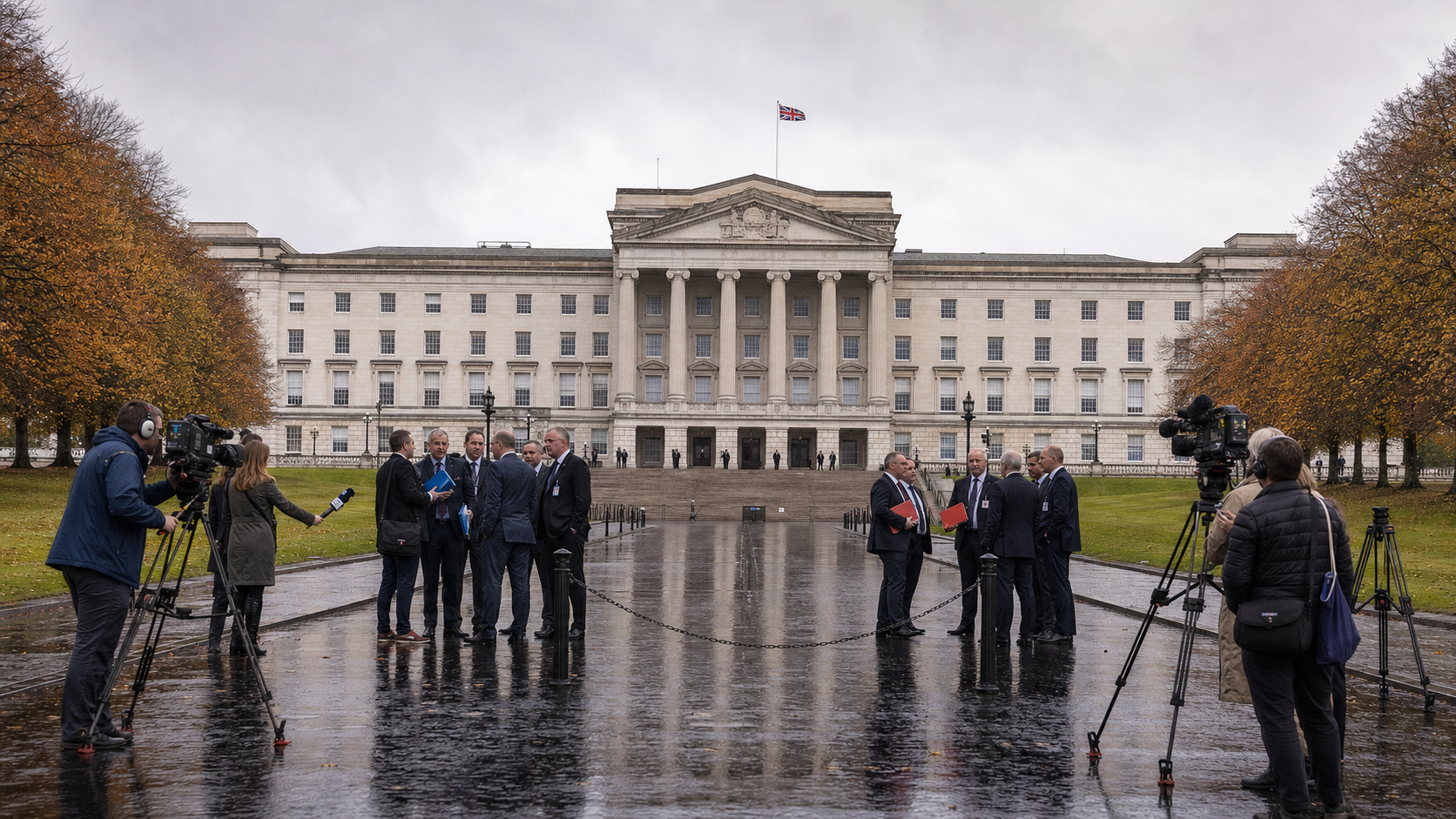
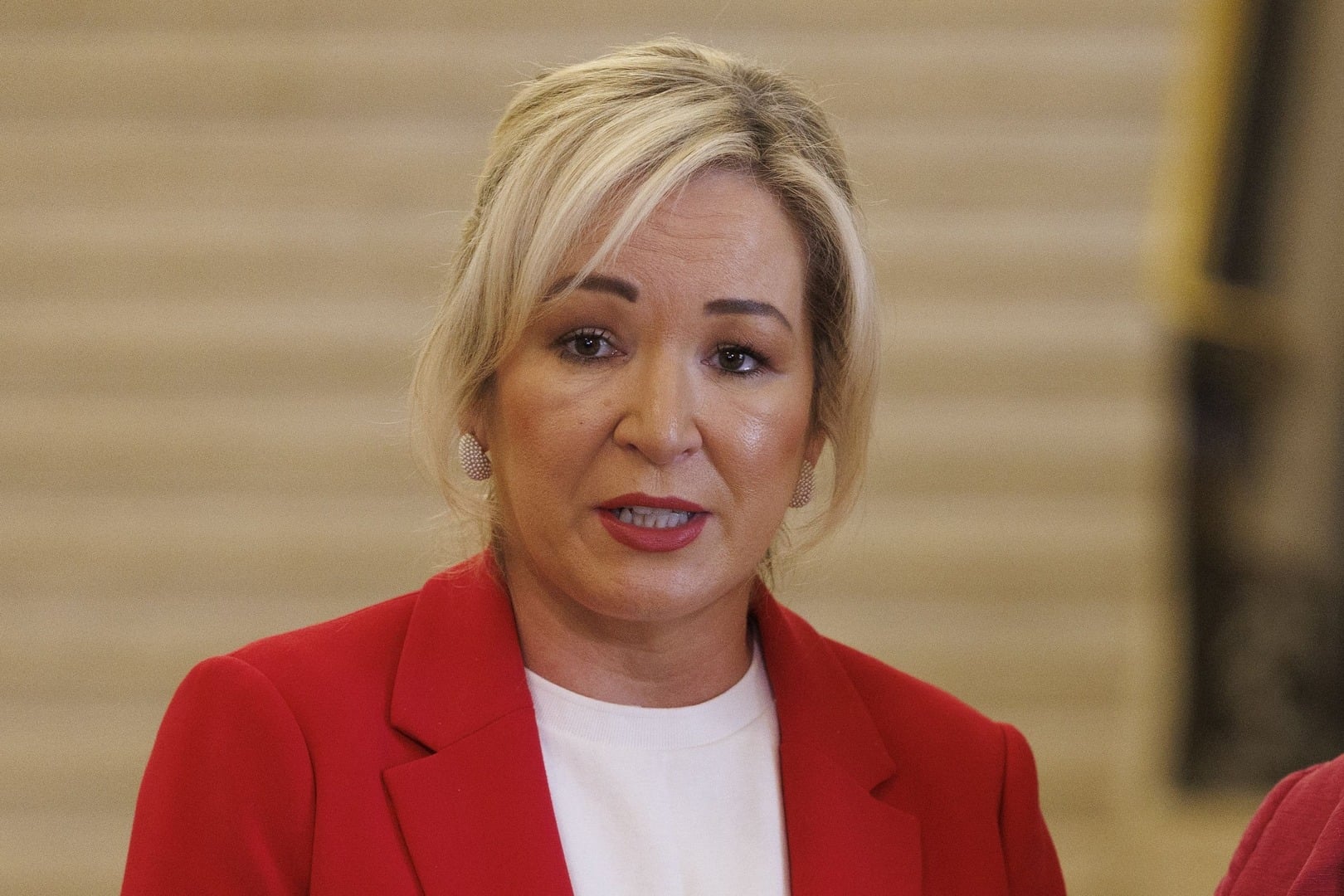
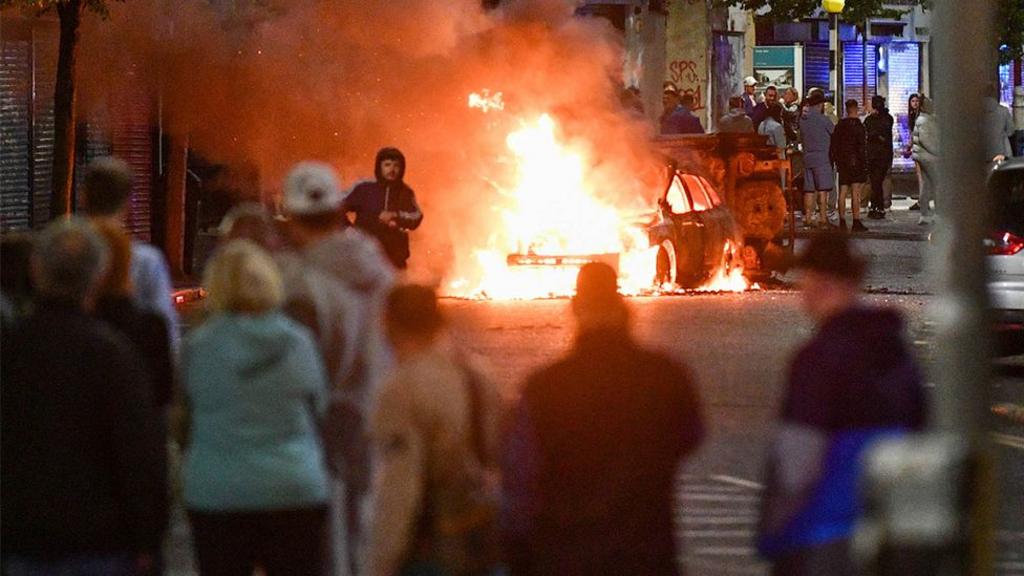
Northern Ireland's five main political parties issued a rare joint condemnation of the anti-immigrant riots that shook Belfast and other areas in the weeks following the 8 June knife attack, with First Minister Michelle O'Neill and Deputy First Minister Emma Little-Pengelly jointly describing the violence as pure racism and disgusting cowardice — but that unity of condemnation has rapidly given way to sharp and revealing divisions over what the appropriate policy response to migration and border security should be.
Background
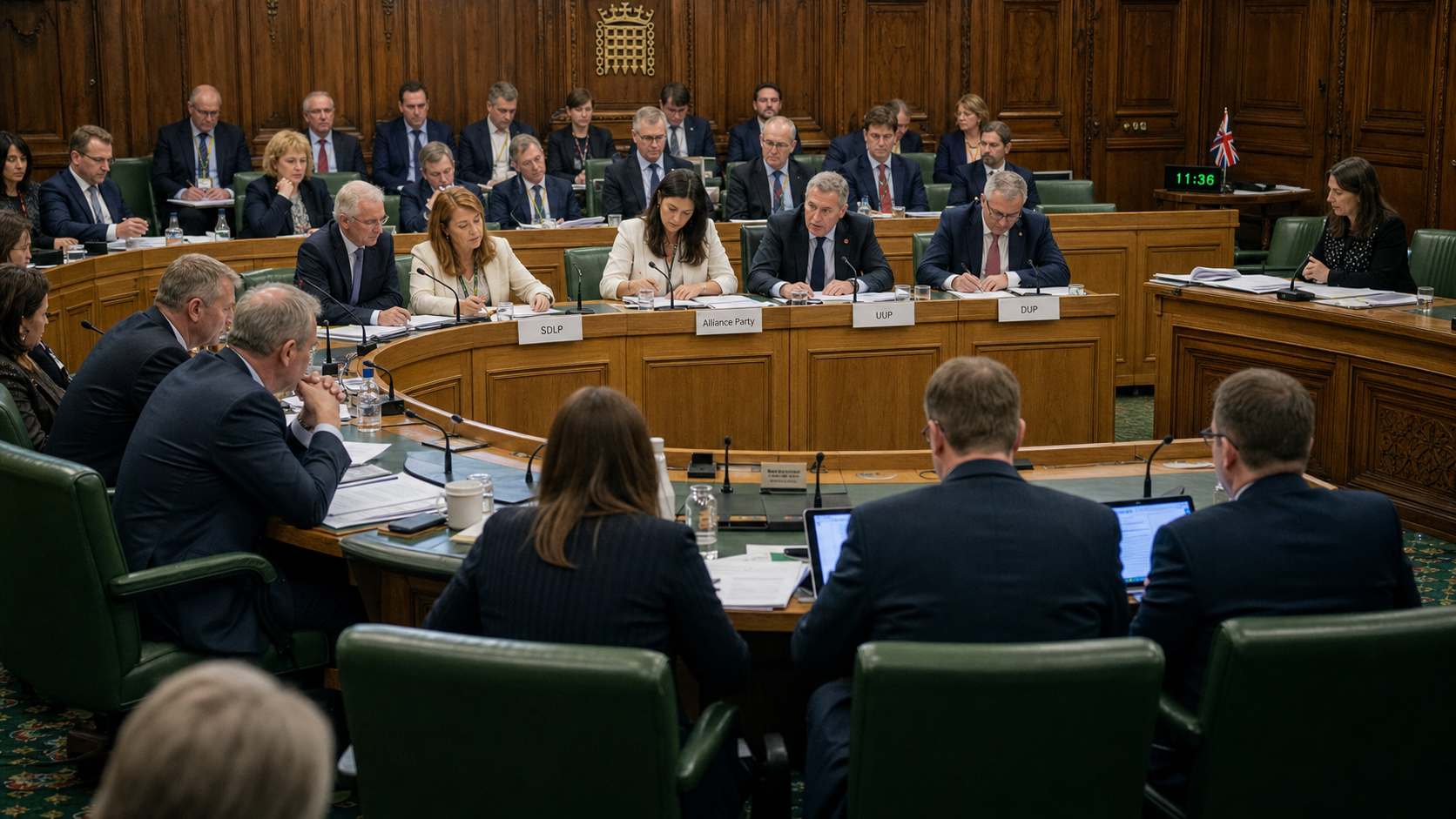
The joint statement from the five Executive parties — Sinn Fein, the DUP, Alliance, the SDLP, and the UUP — was issued in the immediate aftermath of the worst nights of disorder, when the political imperative to present a united front against racial violence was overwhelming. The statement condemned the attacks on migrant communities, called for calm, and pledged the Executive's full support for the PSNI's investigation. It was a moment of genuine cross-community solidarity that many observers noted was rare in the fractious world of Stormont politics.
But the unity was always likely to be temporary. The riots have reignited a debate about migration policy, border security, and the Common Travel Area that cuts across the traditional unionist-nationalist divide in complex ways. Some unionist politicians have used the riots as an opportunity to call for stricter controls on movement within the Common Travel Area — the arrangement that allows free movement between Ireland and the United Kingdom. Nationalist politicians have resisted that framing, arguing that the riots were a product of racism and online misinformation rather than of migration policy failures.
The Alliance Party, which has positioned itself as a cross-community voice on social issues, has been particularly vocal in arguing that the response to the riots must focus on community relations and the prosecution of those responsible, rather than on migration restrictions that it argues would be both ineffective and unjust.
Key Developments
In the days following the joint statement, the political consensus has fractured along predictable lines. DUP representatives have called for a review of the Common Travel Area arrangements and for greater information-sharing between the PSNI and the Garda Siochana on the movement of individuals with criminal records. Sinn Fein has rejected any suggestion that migration policy was a factor in the riots, pointing to the PSNI's assessment that the violence was driven by online misinformation rather than by any genuine security failure.
The SDLP has focused on the need for a comprehensive community relations strategy, arguing that the riots exposed the fragility of community cohesion in some parts of Belfast and the need for sustained investment in integration and intercultural dialogue. Alliance has called for a review of the legal framework around online incitement, arguing that the speed with which misinformation spread on social media platforms before and during the riots demonstrates the inadequacy of current regulation. First Minister O'Neill and Deputy First Minister Little-Pengelly have maintained their joint condemnation of the violence but have been careful to avoid being drawn into the policy debate in ways that might fracture the Executive's working relationship.
Why It Matters
The political response to the riots is a test of whether the Stormont Executive can function as a genuine governing body when faced with a complex and politically charged issue, or whether it will revert to the pattern of paralysis and point-scoring that has characterised much of its history. The joint condemnation was an encouraging sign, but the subsequent divergence on policy suggests that the underlying tensions have not been resolved — merely deferred.
The migration debate is particularly sensitive in Northern Ireland because it intersects with questions of identity, community, and the constitutional future of the region in ways that do not apply in the same way in Great Britain or the Republic. The Common Travel Area, which is a cornerstone of the Good Friday Agreement's practical arrangements, cannot be reformed unilaterally by Stormont — it is a matter for the UK and Irish governments — but the political pressure to be seen to be doing something is real and will not dissipate quickly. The riots have also exposed the extent to which Northern Ireland's political parties have failed to develop coherent, evidence-based positions on migration and integration.
Local Impact
In the communities most affected by the riots — north and east Belfast, in particular — the political debate feels distant from the immediate reality of damaged businesses, traumatised families, and fractured community relations. Local councillors from all parties have been working with community organisations, faith groups, and statutory agencies to provide support to affected residents and to begin the process of rebuilding trust. The Belfast City Council has committed to a community relations initiative focused on the areas most affected by the disorder, and the Executive's Community Relations, Equality and Diversity division has been tasked with developing a longer-term response. The practical work of community healing will take months and years, regardless of what political decisions are made at Stormont.
What's Next
The Stormont Executive is expected to receive a full briefing from the PSNI on the investigation into the riots before the summer recess, which begins in late July. The Executive has also committed to publishing a community relations action plan in response to the riots by September 2026. The debate over migration policy and the Common Travel Area is likely to continue through the summer and into the autumn, with the UK government's own review of border security arrangements providing a further context for the Stormont discussion.