O'Neill Demands PSNI Probe After Nurses Allegedly Told to Show IDs to Masked Gangs
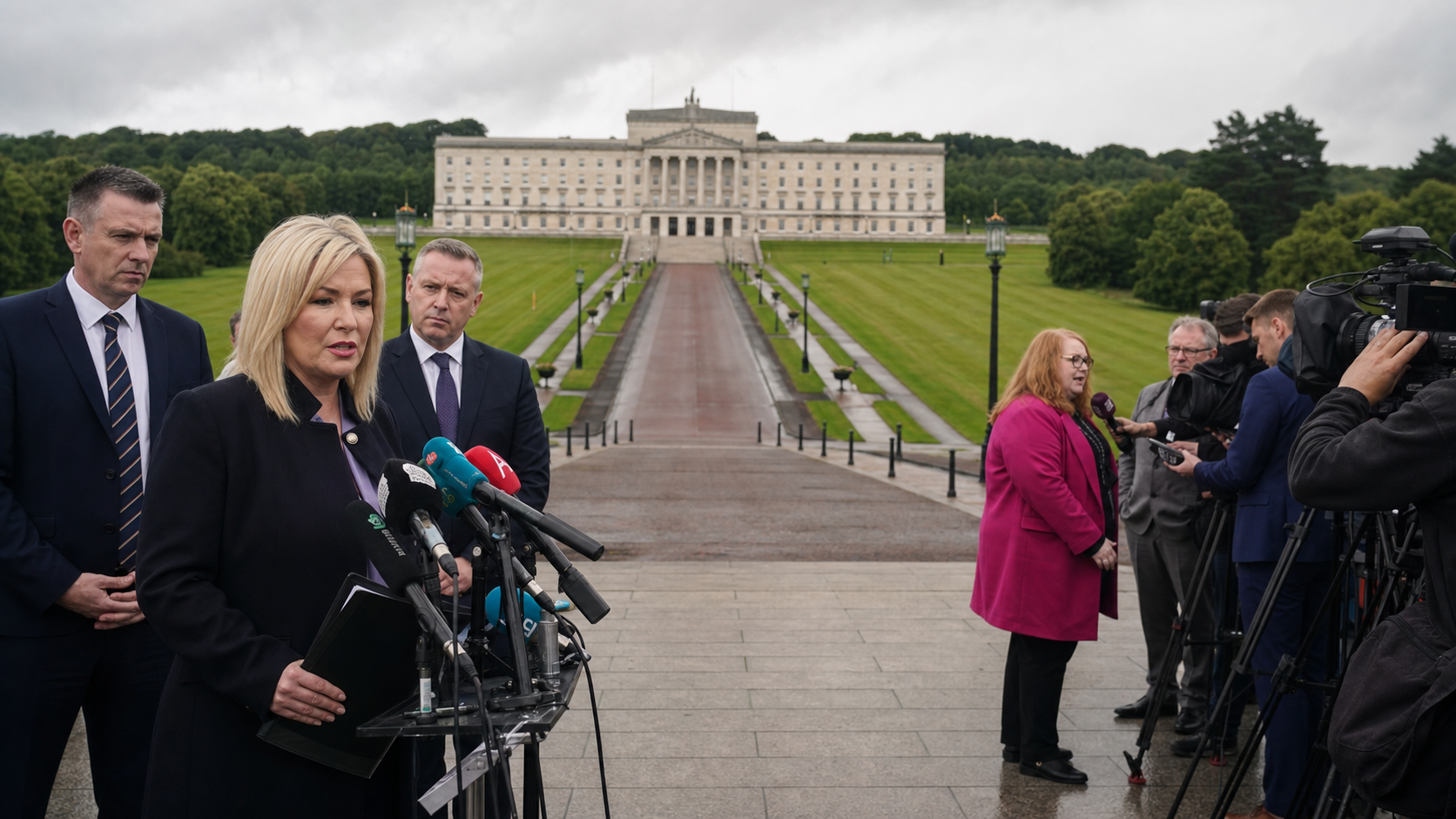
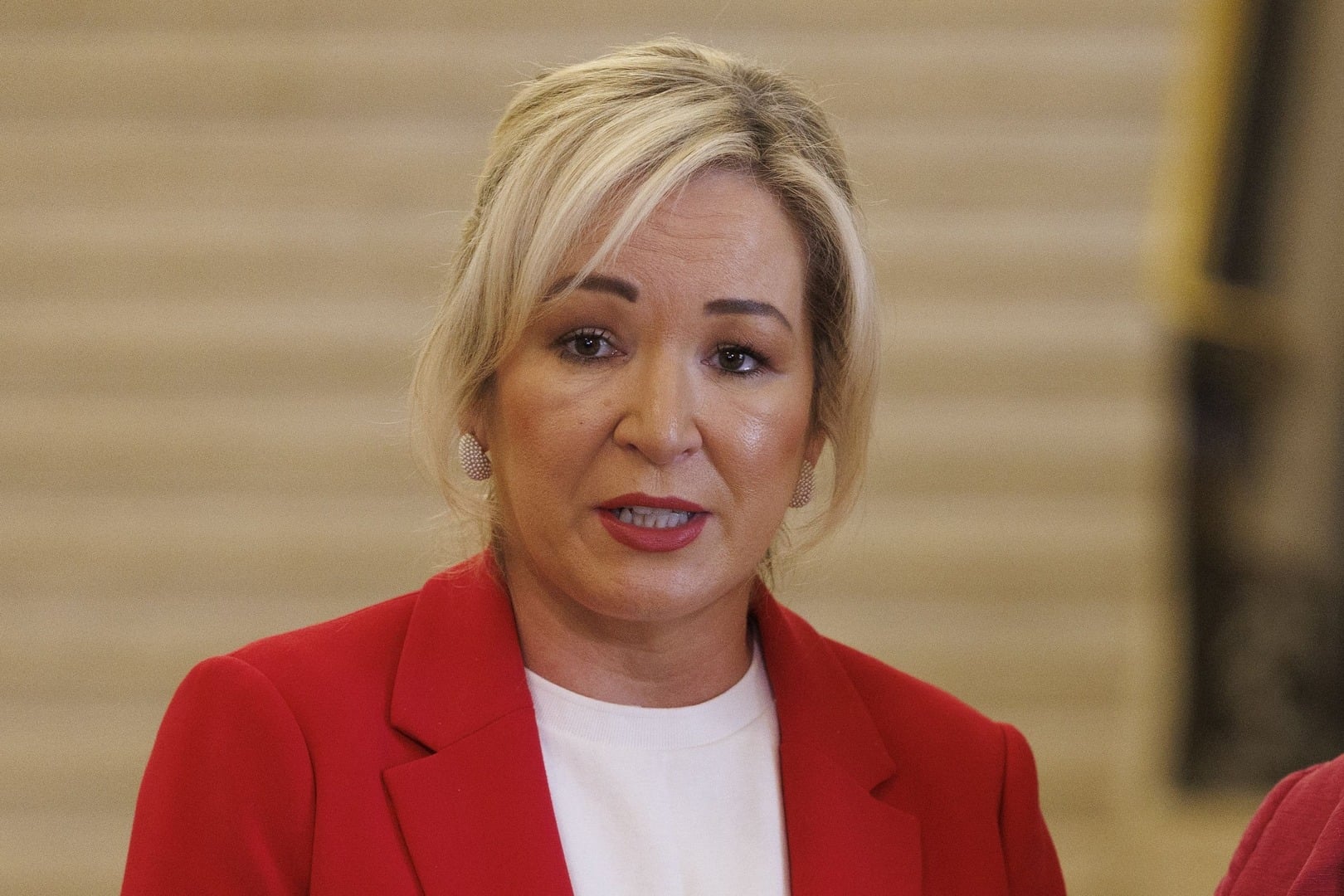
First Minister Michelle O'Neill has delivered one of her most forceful interventions since taking office, demanding a full PSNI investigation after reports emerged that police officers advised healthcare workers to present their identification to masked rioters who had established unofficial checkpoints near the Mater Hospital in north Belfast — a development she described as "vile and disgusting" and raised directly with Chief Constable Jon Boutcher in a meeting at Stormont that underscored the political gravity of the allegations.
Background
The political response to the riots that swept through parts of Belfast and other areas of Northern Ireland in the second week of June has been notable for its unity across the Executive's main parties. First Minister Michelle O'Neill and deputy First Minister Emma Little-Pengelly, who represent Sinn Féin and the DUP respectively, have both condemned the violence in unequivocal terms, presenting a united front that reflects the Executive's determination to demonstrate that devolved government can function effectively in a crisis.
The emergence of allegations about PSNI officer conduct near the Mater Hospital has, however, introduced a new and more complex dimension to the political response. The allegations — that officers advised nurses and other healthcare workers to show their identification to masked individuals who had set up informal checkpoints — go beyond the question of how the riots were managed and raise fundamental questions about the police's duty to protect members of the public. For O'Neill, whose party has a historically fraught relationship with the PSNI and its predecessor the RUC, the allegations carry particular political weight.
The First Minister's decision to raise the matter directly with the Chief Constable, rather than simply issuing a public statement, reflects the seriousness with which she views the allegations and her determination to ensure that they are investigated thoroughly. The meeting with Jon Boutcher was described by O'Neill's office as direct and frank, with the Chief Constable committing to a full review of officer conduct during the relevant period.
Key Developments
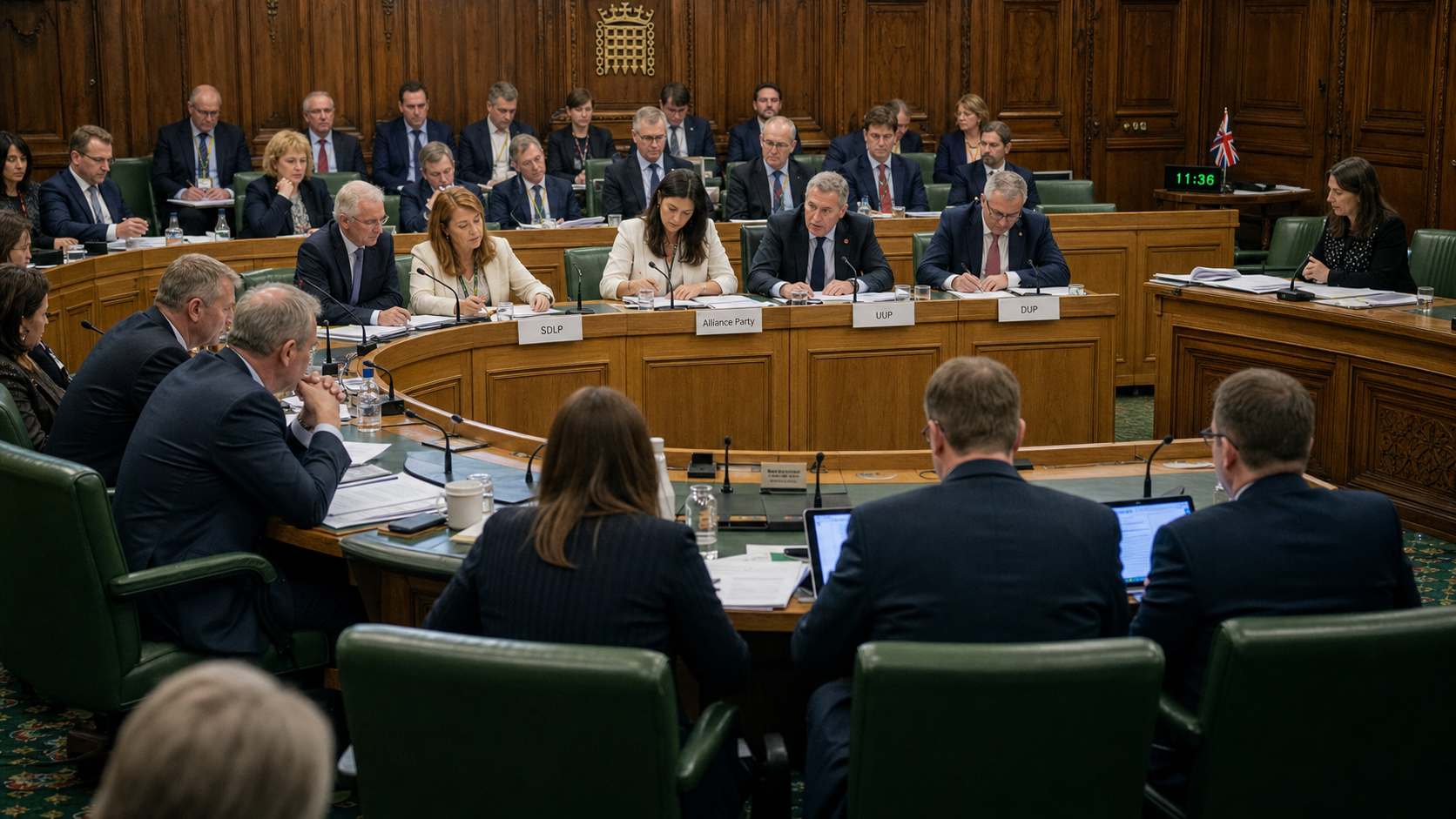
O'Neill addressed the Stormont Assembly on the matter, describing the prospect of healthcare workers being forced to show identification to masked gangs as "disgraceful." She called on the PSNI to investigate the allegations urgently and to report back to the Assembly on its findings. Her remarks were supported by MLAs from across the chamber, with Alliance, SDLP, and Ulster Unionist representatives all expressing concern about the allegations and calling for accountability.
Deputy First Minister Emma Little-Pengelly, speaking alongside O'Neill, described the riots as "outright thuggery" and expressed confidence that the PSNI would investigate the allegations thoroughly. Little-Pengelly's willingness to stand alongside O'Neill in condemning both the violence and the alleged police conduct is significant, reflecting the DUP's commitment to the current power-sharing arrangement and its recognition that the Executive must speak with one voice on matters of public safety.
Health Minister Mike Nesbitt, who is from the Ulster Unionist Party, confirmed that he had received similar accounts from healthcare staff and described the situation as deeply concerning. He indicated that he had raised the matter with the PSNI directly and had received assurances that the allegations would be investigated.
Why It Matters
The political significance of this episode extends well beyond the specific allegations about officer conduct. It is a test of the Executive's ability to hold the PSNI accountable while also supporting the police in their broader role of maintaining public order. For Sinn Féin, which has historically been critical of policing in Northern Ireland, the ability to demand accountability from the PSNI through the institutions of devolved government — rather than through protest or opposition — represents a significant evolution in the party's relationship with the state. For the DUP, standing alongside Sinn Féin in condemning both the riots and alleged police misconduct demonstrates a commitment to the power-sharing model that is important for the stability of the Executive. The Policing Board, which has oversight of the PSNI, is expected to scrutinise the investigation closely and to hold the Chief Constable to account for its findings.
Local Impact
The political response to the riots and the PSNI allegations has been closely watched by communities across Belfast and Northern Ireland. For residents of north Belfast, where the disorder was most intense, the sight of the First Minister and deputy First Minister standing together to condemn the violence and demand accountability has been broadly welcomed. Community leaders in the affected areas have praised the political response while also calling for sustained attention to the underlying issues — economic deprivation, social isolation, and the exploitation of community tensions by extremist elements — that created the conditions for the disorder. The PSNI investigation is expected to report its initial findings within weeks, and the political parties have indicated that they will scrutinise those findings carefully.
What's Next
The PSNI investigation into officer conduct near the Mater Hospital is ongoing, with a preliminary report expected within weeks. The Policing Board will hold a special session to scrutinise the investigation's findings, with Chief Constable Jon Boutcher expected to appear in person. The Assembly's Justice Committee is also expected to hold hearings on the matter, with representatives from the PSNI, the Belfast Trust, and healthcare worker unions invited to give evidence. O'Neill has indicated that she will continue to monitor the investigation closely and will not hesitate to raise further concerns if the PSNI's response is found to be inadequate.