Stormont Budget Crisis: Executive Secures 400 Million Pound Reserve Claim as Parties Clash Over Long-Term Fix
The Stormont Executive has secured a 400 million pound repayable reserve claim from the UK Treasury to support Northern Ireland's public services, with 214.6 million allocated to Education and 185.4 million to Health — a short-term financial lifeline that has been welcomed by the DUP as a vital intervention but condemned by the SDLP as a sticking plaster that leaves the structural causes of Northern Ireland's chronic underfunding entirely unaddressed.
Background
Northern Ireland's public finances have been in a state of sustained crisis for the better part of a decade. The region receives the majority of its funding through the block grant from Westminster, calculated using the Barnett formula, and successive Stormont executives have argued that this formula systematically underfunds Northern Ireland relative to its actual public service needs. The region has higher rates of deprivation, poorer health outcomes, and greater demand for public services than the UK average, but the Barnett formula does not fully account for those factors.
The financial pressure has been compounded by the two-year collapse of the Stormont Executive between February 2022 and February 2024, during which Northern Ireland operated without a functioning devolved government and public spending decisions were made by civil servants operating under caretaker arrangements. The backlog of deferred decisions — on capital projects, service reforms, and budget allocations — that accumulated during that period has added to the pressure on the restored Executive.
The Education and Health departments are the two largest spending areas in the Stormont budget, and both have been operating under severe financial strain. Schools across Northern Ireland have been warning of cuts to teaching staff and support services, while health trusts have been managing record waiting lists with budgets that are insufficient to address the backlog.
Key Developments
The 400 million pound reserve claim, authorised by the UK Treasury, provides immediate financial relief to the two most pressured departments. The 214.6 million for Education will allow the Department of Education to avoid the most severe cuts to school budgets that had been threatened for the coming academic year, while the 185.4 million for Health will provide some additional capacity for the health trusts to address waiting lists and maintain services.
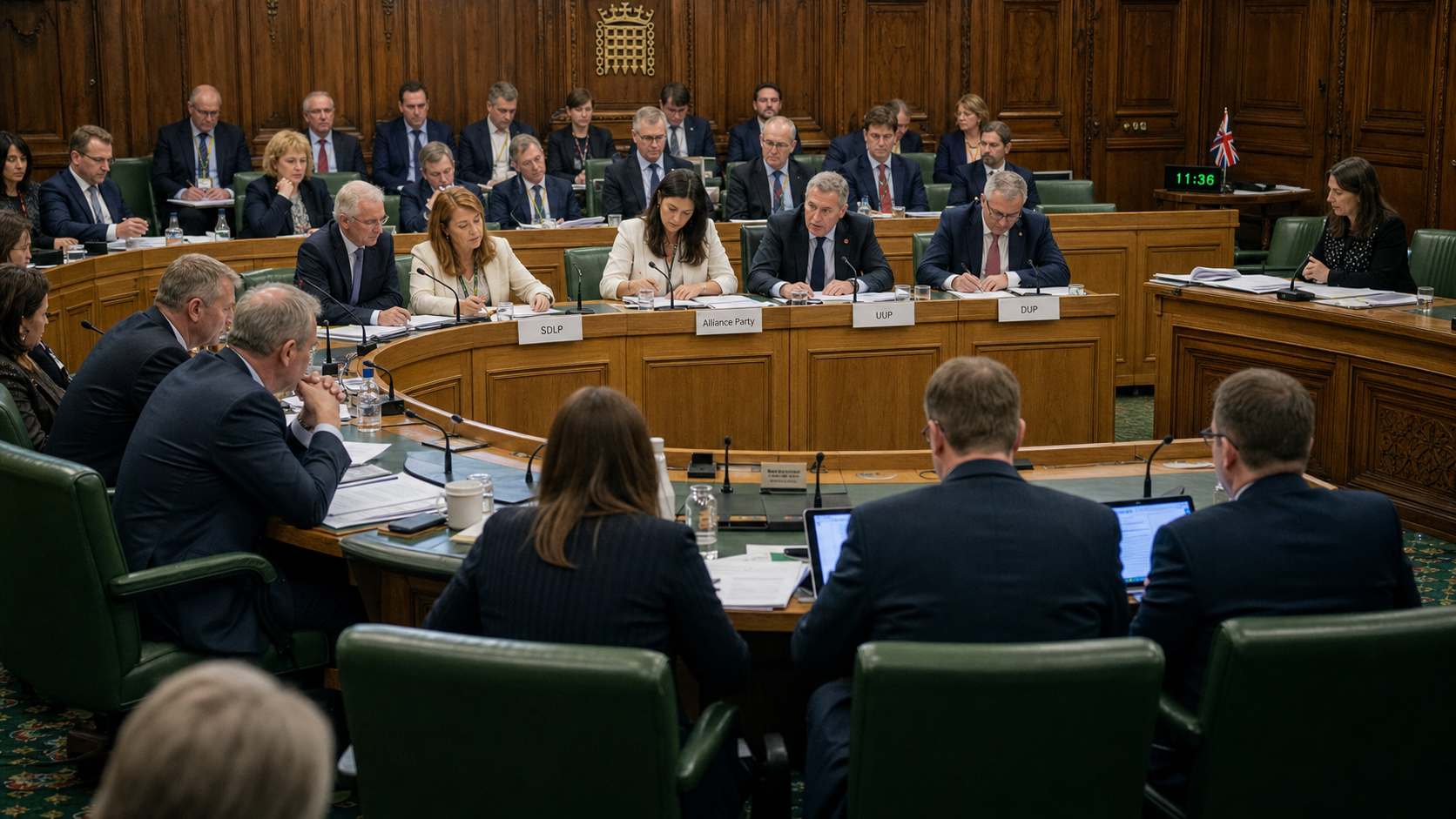
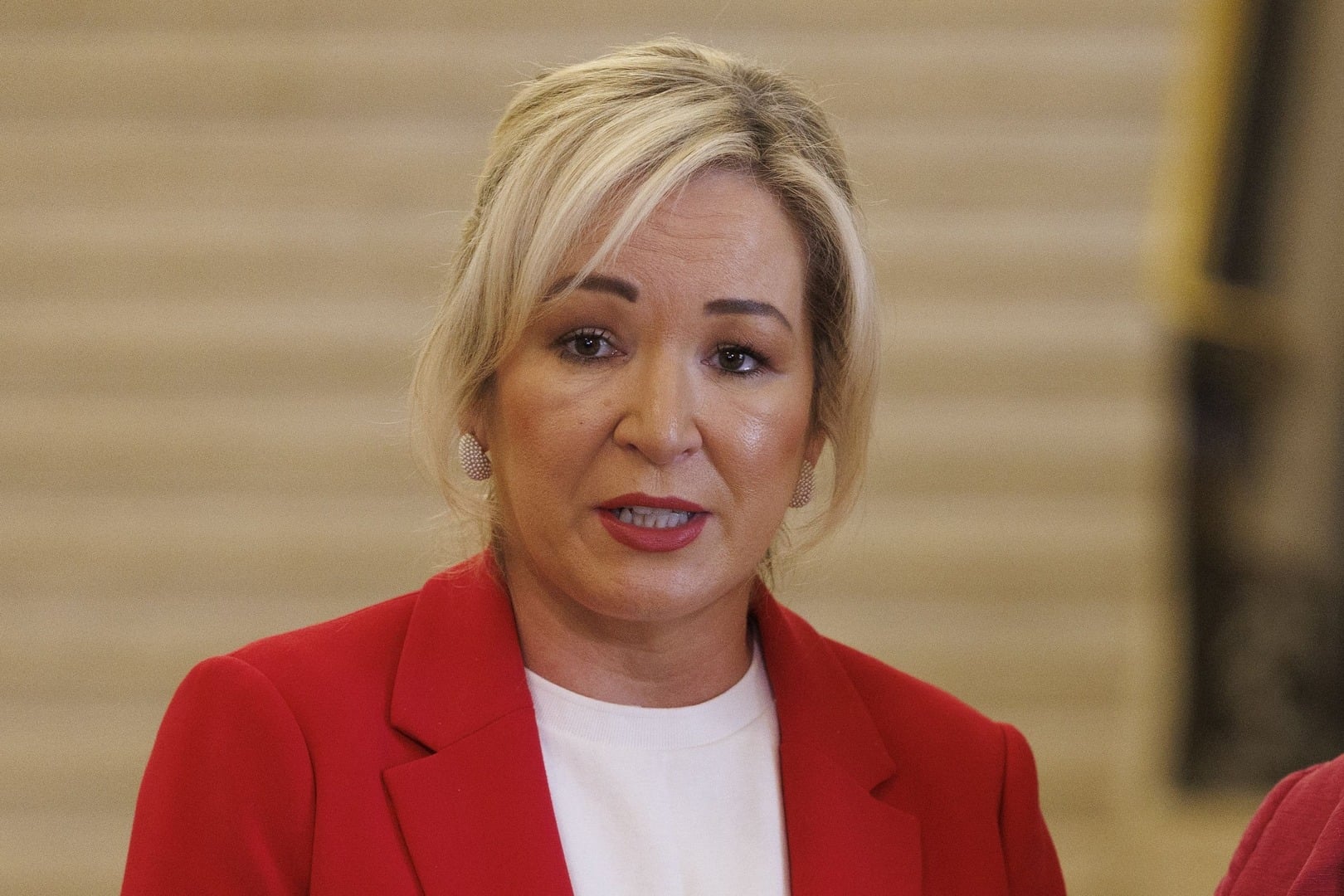
DUP leader Gavin Robinson welcomed the reserve claim as a vital short-term measure, arguing that it demonstrates the value of Northern Ireland's position within the United Kingdom and the willingness of the UK government to support the region's public services. SDLP leader Matthew O'Toole took a sharply different view, describing the reserve claim as a sticking plaster that addresses the immediate symptoms of Northern Ireland's financial crisis without tackling its underlying causes. O'Toole has argued that the Barnett formula needs to be fundamentally reformed to reflect Northern Ireland's actual needs, and that the current approach of seeking emergency reserve claims is neither sustainable nor dignified for a devolved administration.
Why It Matters
The Stormont budget crisis is not a new problem, but it is becoming more acute. The reserve claim provides breathing space for the current financial year, but it is a repayable advance — meaning that the money will need to be returned to the Treasury in future years, creating a further drag on already stretched budgets. The structural deficit in Northern Ireland's public finances will not be resolved by emergency measures; it requires either a fundamental reform of the Barnett formula, a significant increase in the block grant, or a combination of both.
The political dynamics around this issue are complex. The DUP's preference for Treasury support reflects its unionist instinct to demonstrate the benefits of the union, while the SDLP's call for structural reform reflects a nationalist perspective that sees Northern Ireland's financial dependence on Westminster as a symptom of a broader constitutional problem. Sinn Fein, which holds the Finance Ministry at Stormont, has its own perspective — one that emphasises the need for greater fiscal autonomy for Northern Ireland as a step towards eventual reunification. For public sector workers and service users across Northern Ireland, the immediate practical question is whether the reserve claim will be sufficient to prevent the service cuts that have been threatened.
Local Impact
The Education allocation will be felt in schools across all five Education Authority areas — Belfast, South Eastern, Southern, Western, and North Eastern. Schools that had been warned of potential redundancies among teaching and support staff will now have greater certainty about their budgets for the coming academic year. The Health allocation will provide some additional capacity for the five health trusts — Belfast, South Eastern, Southern, Western, and Northern — to address waiting lists, though trust chief executives have been clear that the money, while welcome, does not resolve the fundamental staffing and capacity challenges they face. In areas like Newry, Derry, and Antrim, where health trust pressures have been most acute, the additional funding will provide some relief but not a solution.
What's Next
The Stormont Executive is expected to publish its draft budget for 2027-28 in the autumn, and the negotiations around that budget will be shaped by the outcome of the current reserve claim and by any progress on the longer-term question of Barnett formula reform. The Finance Minister has committed to engaging with the Treasury on the structural funding question, and a formal submission to the UK government's spending review is being prepared. The outcome of that review, expected in late 2026, will be a critical determinant of Northern Ireland's financial position for the next three years.