Starmer's Authority Crumbles as Labour Rebels Back Mandelson Inquiry and Local Election Disaster Looms
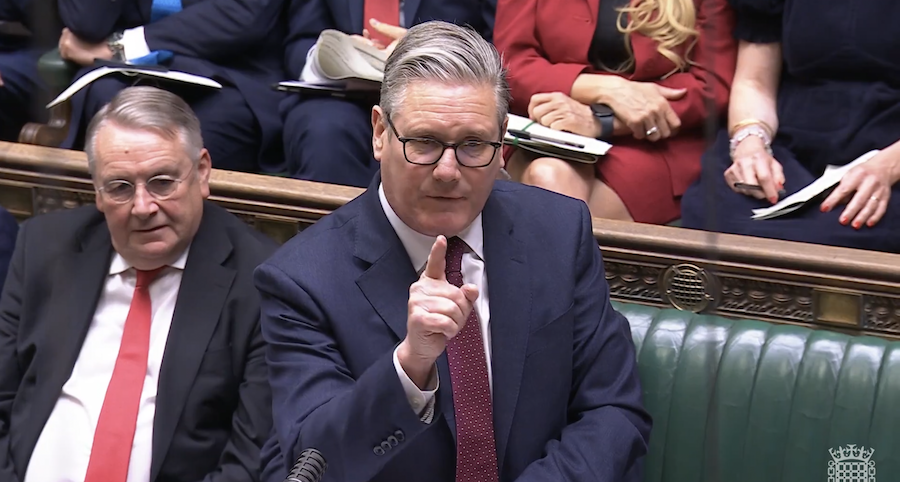
Sir Keir Starmer's leadership is facing its most perilous moment as a significant backbench rebellion, disastrous polling, and open cabinet warfare converge to create a perfect storm just weeks before critical local elections. The Prime Minister's authority appears to be evaporating, with 14 Labour MPs defying a three-line whip to support a privileges committee investigation into whether he misled Parliament. Compounding the crisis, senior party figures are now bracing for a potential electoral wipeout on May 7th, with one leading pollster forecasting catastrophic losses of up to 1,850 council seats, a rout that would eclipse any suffered in recent memory and inevitably trigger a formal challenge to his position.
Background
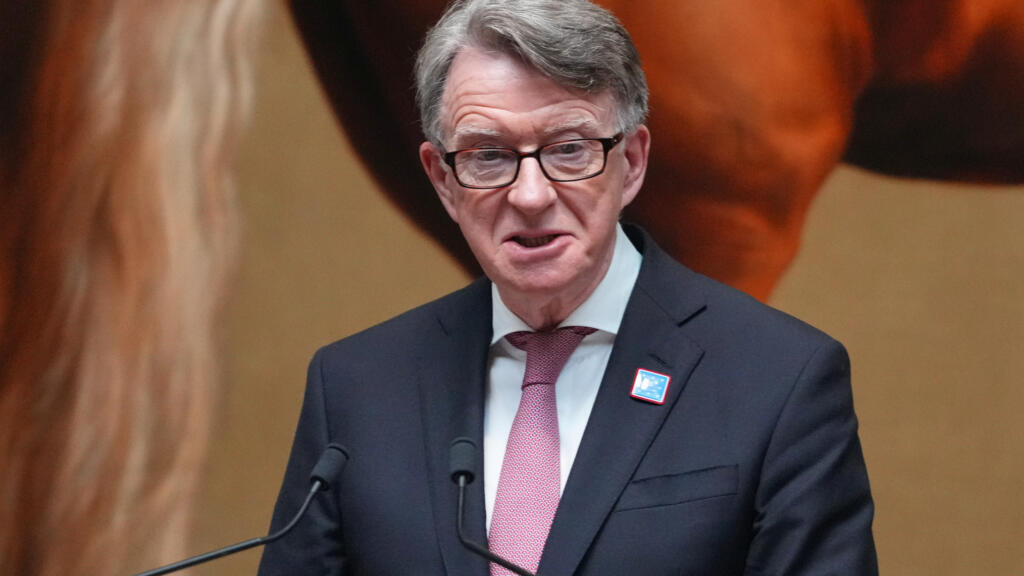
The immediate catalyst for the parliamentary rebellion is the controversial appointment of Lord Peter Mandelson as the UK's ambassador to the United States. The decision, announced in January, was presented by Number 10 as a masterstroke, utilising the arch-Blairite's extensive contacts in Washington to bolster the UK-US special relationship. However, questions quickly arose over the nature of the appointment process and, crucially, what Parliament was told about it. Allegations have since surfaced suggesting that Starmer may have personally fast-tracked the appointment and bypassed standard civil service protocols, a version of events he has repeatedly denied in the House of Commons.
This specific controversy has landed on the fertile ground of widespread discontent within the Labour Party. Since securing a narrow majority in the 2024 general election, Starmer's premiership has been beset by internal divisions and a failure to capture the public's imagination. His net approval rating has plummeted to a staggering -46%, making him the least popular sitting Prime Minister since James Callaghan in 1977, according to data from Ipsos MORI. The government has been perceived as reactive and indecisive, lurching from one crisis to another without a clear ideological direction. The ongoing war in Iran has sent shockwaves through the global economy, with the UK particularly vulnerable to rising energy prices, a crisis the government has struggled to articulate a coherent response to.
The mood within the party has soured dramatically. The initial optimism of returning to power has given way to a grim realisation that their hold is tenuous. Many on the left of the party, who were already suspicious of Starmer's centrist credentials, now feel entirely alienated. Meanwhile, MPs in marginal seats are panicking as they see their majorities evaporating in the face of voter apathy and a cost-of-living crisis that the government seems powerless to control.
Key Developments
The decision by 14 Labour MPs to vote with the opposition in favour of a privileges committee inquiry is a calculated and deeply damaging act of defiance. While the government narrowly won the vote, the rebellion signals that a significant faction of the party is no longer afraid of the whips. The rebels, a coalition of left-wingers and disgruntled former frontbenchers, argue that parliamentary accountability must take precedence over party loyalty.
The electoral prognosis adds a terrifying new dimension to the crisis. Respected pollster Professor Robert Hayward has publicly forecast that Labour is on course to lose between 1,500 and 1,850 seats in the local elections on May 7th. He described the potential losses as "off the charts," driven by a collapse in the core Labour vote and a surge in support for the Liberal Democrats and Greens in urban areas. As detailed in recent political reporting, the pressure is mounting from all sides.
This external pressure is being magnified by internal plotting. Allies of Deputy Prime Minister Angela Rayner have reportedly been briefing journalists that Starmer "has got to go" if the local election results are as bad as predicted. The cabinet itself is described as being "at war" over a proposed freeze on rent controls, a flagship policy bogged down in a bitter dispute between the Treasury and the Department for Levelling Up, Housing and Communities.
Why It Matters
The convergence of these crises represents an existential threat to Keir Starmer's premiership. His entire political brand was built on the promise of restoring competence, integrity, and seriousness to government after the turbulent Johnson years. The Mandelson affair, regardless of its ultimate outcome, strikes at the very heart of that promise, creating a narrative of cronyism and evasion that is dangerously easy for opponents to exploit. When a leader's core attribute is questioned, their authority begins to haemorrhage at an alarming rate. The rebellion, though small, is symbolic; it demonstrates that the bonds of party discipline are fraying and that MPs are beginning to prioritise their own survival over the leader's.
An electoral cataclysm on May 7th would likely prove the point of no return. Losing nearly 2,000 councillors would not just be a political embarrassment; it would be a verdict from the public that the government has failed. It would decimate the party's activist base and provide the pretext for a leadership challenge. With his approval ratings already at rock bottom, Starmer lacks the political capital to survive such a blow. The briefings from Angela Rayner's camp are a clear signal that the knives are out. The party is staring into an abyss, and the question is no longer if a challenge will come, but when. This is the third time in two years that a Labour leader has faced a major internal rebellion, and unlike previous episodes, this one comes with the added weight of imminent electoral judgment.
Local Impact
The predicted electoral losses will be felt most acutely in town halls across England. Hundreds of Labour councillors, many of whom have served their communities for years, are facing the prospect of losing their seats due to the national government's unpopularity. This would have a tangible impact on local services, as experienced administrators are replaced by opposition figures who may have different priorities. In key metropolitan boroughs and unitary authorities that Labour fought hard to win, a change in control could see flagship projects stalled or reversed. For residents, this translates into uncertainty over everything from bin collections and library services to major infrastructure and regeneration schemes.
What's Next
All eyes are now on the May 7th elections. Sir Keir Starmer has just under two weeks to turn the tide, a task that seems almost impossible. He is expected to embark on a frantic tour of key councils in a last-ditch effort to shore up support, though many candidates are reportedly asking for him to stay away. If the results are as dire as Professor Hayward predicts, a leadership challenge is all but certain. Potential contenders, including Angela Rayner and shadow cabinet ministers like Wes Streeting and Bridget Phillipson, will be sounding out support. For more context, see the latest analysis on the developing situation.