May 7 Elections: Reform UK Defends Racism Accusations as Welsh Debate Turns Confrontational
Eight days out from the most consequential set of elections since Labour's 2024 landslide, the campaign trail is dominated by Reform UK's Nigel Farage — defending his party against accusations of racist behaviour among its members, claiming credit for forcing bin strike news, and positioning himself as the authentic voice of voter discontent — while a Welsh election debate descended into heated confrontation and Muslim voter groups announced coordinated endorsements for Plaid Cymru and the Greens.Background
The May 7 elections encompass parliamentary elections in Scotland and Wales, and local council elections across England. They represent the first major electoral test for Keir Starmer's Labour government since its landslide victory in July 2024, and the results will be scrutinised intensely for signs of the political realignment that polling has suggested is underway — particularly the rise of Reform UK at Labour's expense in traditional working-class heartlands.
Reform UK, led by Nigel Farage, has been polling strongly in England, with some surveys suggesting it could make significant gains in local council seats and potentially challenge Labour in areas of the Midlands and North that were once considered safe red territory. In Wales, the party is contesting Senedd seats for the first time with serious intent, while in Scotland it remains a marginal force. The party's rapid growth has been accompanied by a series of controversies, including allegations of racist and extremist behaviour among candidates and members.
Valid photo ID is required for in-person voting in the English local elections — a requirement introduced by the previous Conservative government that has been criticised by civil liberties groups as disproportionately affecting younger voters, ethnic minority communities, and those without driving licences or passports.
Key Developments
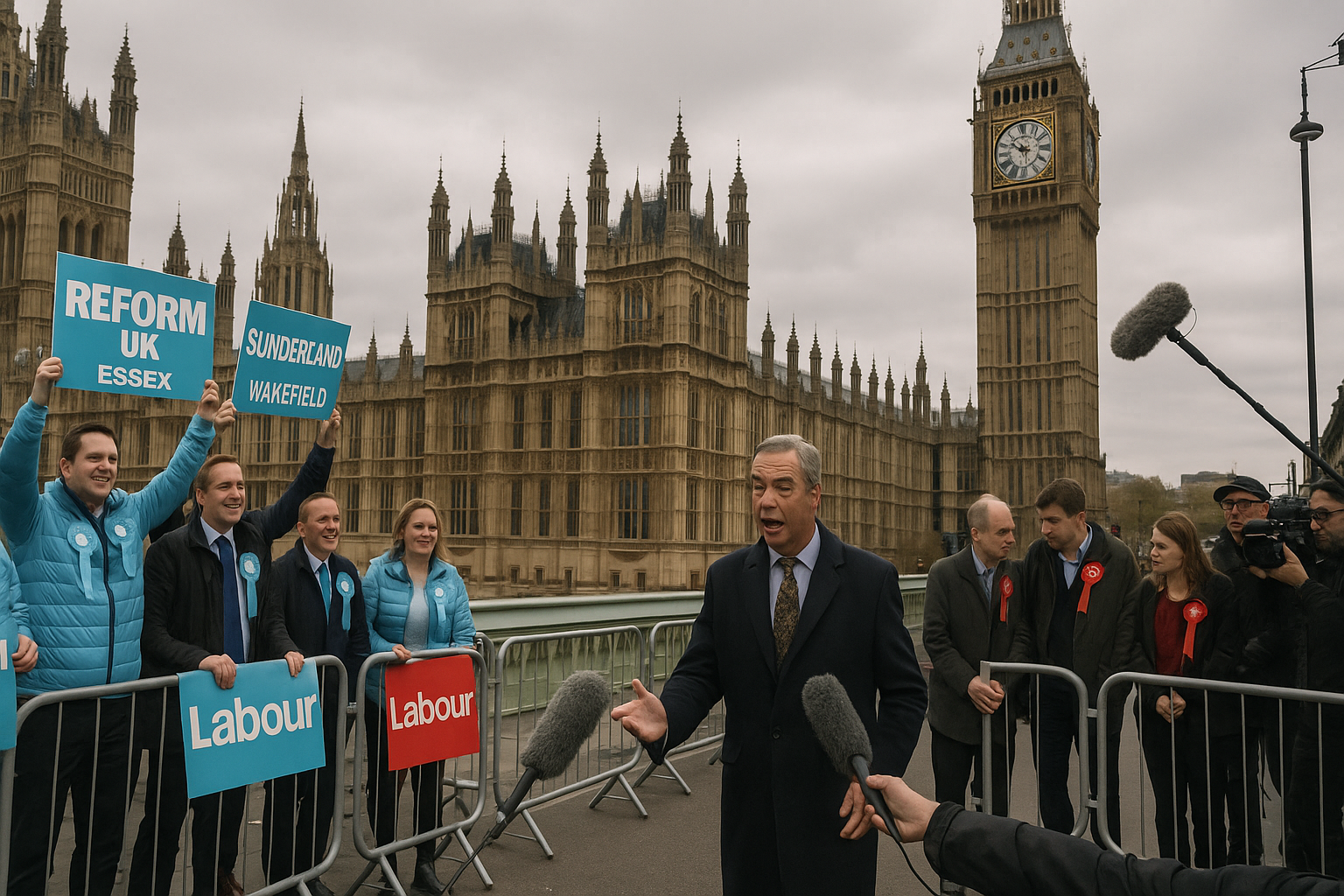
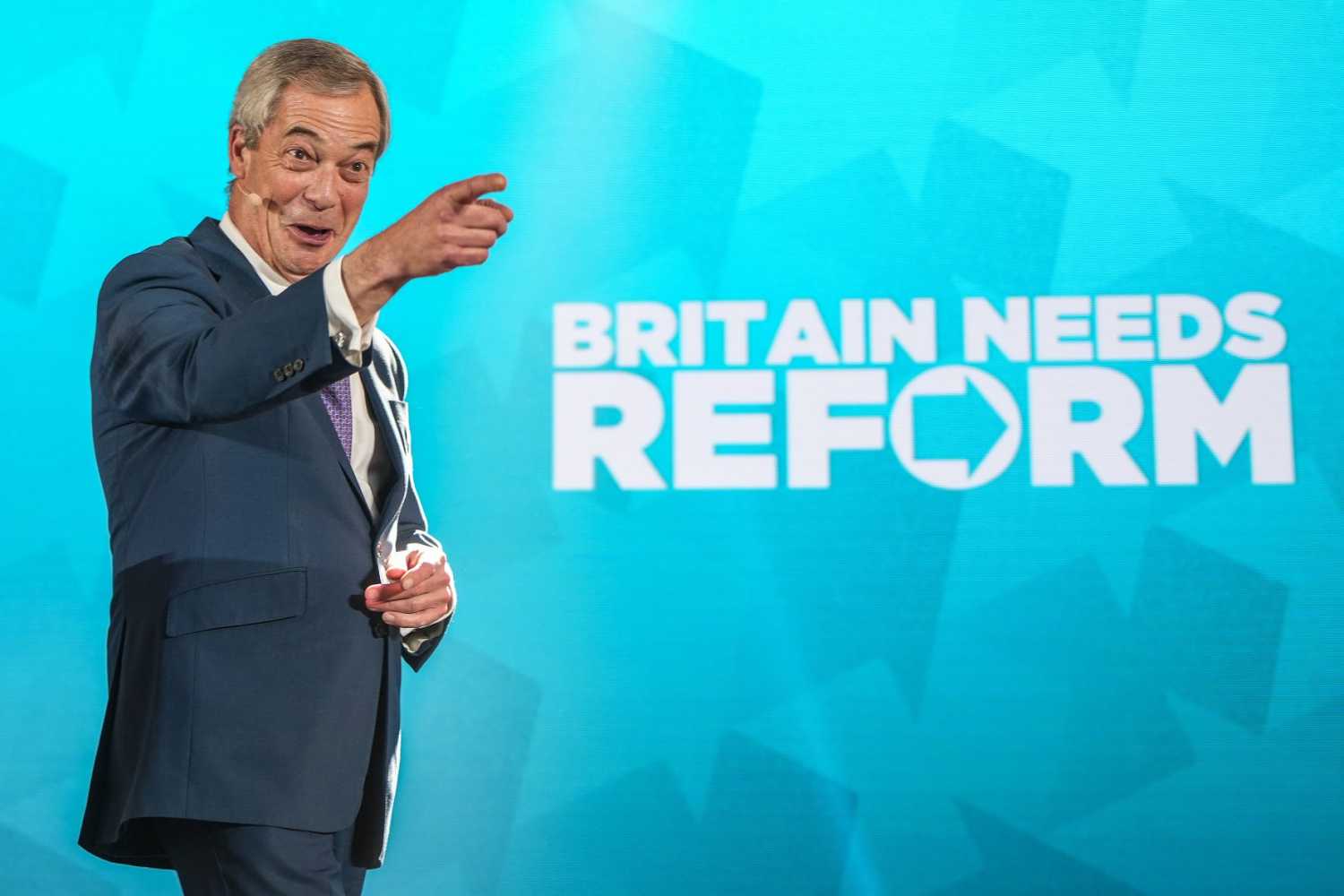
Nigel Farage spent Wednesday on the campaign trail, directly addressing accusations of racist behaviour within Reform UK. He denied the characterisations and claimed that Reform UK had "forced" the bin strike story into the national news agenda — a reference to industrial action by refuse workers in several English councils that the party has sought to weaponise against Labour-controlled authorities.
In Wales, the Reform UK leader for Wales stated during a heated election debate that the party "is not racist," following a series of incidents involving candidates making offensive remarks on social media. The debate, which included representatives from all major Welsh parties, became confrontational when other leaders challenged Reform UK's record and rhetoric on immigration and race.
A coalition of Muslim voter groups announced plans to endorse Plaid Cymru and the Green Party in the Welsh Senedd elections, citing concerns about Labour's position on Gaza and the government's approach to foreign policy. The endorsement is significant in constituencies with substantial Muslim populations, where Labour has already seen its vote share erode since the 2024 general election.
Green Party leader Zack Polanski used the campaign to press the government on social care funding, while Liberal Democrat leader Sir Ed Davey unveiled a plan to reform the social care system — positioning the Lib Dems as the party of practical reform in areas where Labour has been slow to act.
Why It Matters
These elections matter beyond their immediate results. If Reform UK makes substantial gains in English local councils, it will validate the party's claim to be a genuine political force rather than a protest movement — and intensify pressure on Labour to shift its positioning on issues including immigration, public services, and economic management. For Starmer, a poor performance could trigger the leadership questions that have been building since the winter fuel payment controversy and the Mandelson affair.
In Wales, the Senedd elections are particularly significant because they will determine the composition of the devolved government for the next five years. A strong Plaid Cymru performance, boosted by Muslim voter endorsements, could complicate Labour's ability to govern in Cardiff Bay. In Scotland, the parliamentary elections will test whether the SNP can maintain its dominance or whether Labour's revival under Anas Sarwar has genuinely shifted the political landscape.
Local Impact
For voters across the UK, the May 7 elections will determine who controls local councils responsible for bin collections, planning decisions, social care, and local transport. In areas where Reform UK makes gains, residents can expect a shift in council priorities — particularly on planning and immigration-related services. In Northern Ireland, where these elections do not apply, the results will nonetheless be watched closely for what they signal about the political direction of the UK government that manages the block grant and the Windsor Framework negotiations.
What's Next
Polling day is Thursday 7 May. Results will begin coming in overnight and through Friday 8 May. The Scottish and Welsh parliamentary results will be declared first, with English local council results following through the weekend. Political leaders have already indicated they will interpret the results as a verdict on the Starmer government's first year in office. A post-election reshuffle at Westminster is widely anticipated regardless of the outcome.
Sources: BBC News — UK Elections 2026; PoliticsHome — Election campaign briefing, 29 April 2026